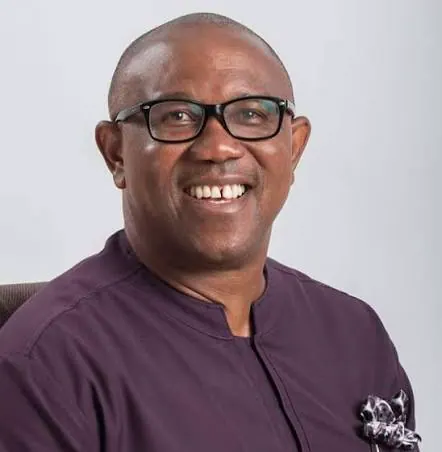
The Peter Obi Media Office has spoken out against what it perceives as double standards in the scrutiny of presidential candidates in Nigeria. According to the office's spokesperson, Idris Zekeri Jnr, Peter Obi is being subjected to intense examination while other political figures are treated with leniency. The office welcomes scrutiny of its principal but insists that every presidential candidate must be assessed using the same rigorous standards.
Peter Obi, the presidential candidate of the Nigeria Democratic Party, has built a reputation for transparency. He has consistently challenged Nigerians to scrutinize him and publicly identify any wrongdoing he may have committed. Recently, he asked the University of Nigeria Nsukka to release his academic records upon legitimate request. This move is in line with his commitment to transparency and accountability, particularly for those seeking public office.
Obi's call for transparency is not new. He has previously directed other institutions he attended, both within and outside Nigeria, to release his records in accordance with applicable laws and procedures. His media office alleges that other political figures, often described as traditional or establishment candidates, are assessed through the lens of political realism. This approach tends to downplay past scandals, policy failures, corruption allegations, and transparency concerns as political compromises.
A former National Publicity Secretary of the Labour Party, Abayomi Arabambi, had sued the University of Nigeria Nsukka, the National Youth Service Corps, and the West African Examination Council over their alleged refusal to release Obi's credentials. However, Obi stated that he had no objection to the release of his academic records for public examination. This move demonstrates his commitment to transparency and sets a positive example for other candidates.
The Peter Obi Media Office argues that if Obi's past decisions and allegations against him are subject to intense scrutiny, then the records of other political figures should receive equal scrutiny. This approach would promote fairness and accountability in the electoral process. By applying the same standards to all candidates, Nigerians can make informed decisions about who to vote for.
Obi's emphasis on transparency and accountability is likely to resonate with many Nigerians who are seeking a more transparent and accountable leadership. His willingness to subject himself to scrutiny and make his records available for public examination demonstrates his commitment to these values. As the 2027 general election approaches, it remains to be seen how other candidates will respond to calls for transparency and accountability.
The scrutiny of presidential candidates is an essential aspect of Nigeria's democratic process. By ensuring that all candidates are held to the same standards, Nigerians can have confidence in the integrity of the electoral process. As the country prepares for the 2027 general election, the issue of transparency and accountability is likely to remain a key concern for voters and candidates alike.
Key points
- Peter Obi's media office criticizes double standards in scrutiny of presidential candidates.
- Obi emphasizes transparency and accountability in his own records.
- Equal scrutiny for all candidates is necessary for a fair electoral process.