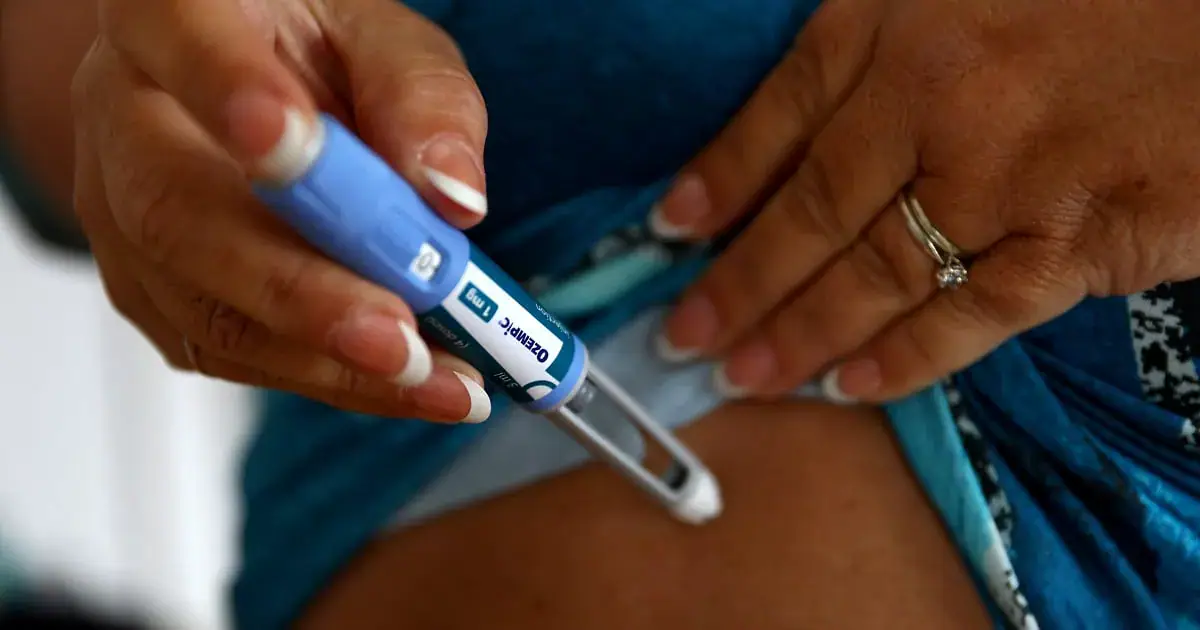
Almost a year after the World Health Organization backed GLP-1 drugs for long-term obesity treatment, South Africa's health department has yet to begin assessing their use in public sector patients. The national essential medicines committee is considering adding GLP-1 medicines to the list of drugs for diabetes patients in state health-care facilities, but has not started reviewing evidence for obesity care, according to Rebone Ntsie, the department's chief director for health promotion.
The WHO added GLP-1 drugs to its essential drugs list for managing diabetes in September 2025 and released guidelines for their use as a chronic treatment for obesity in December last year. Consideration of GLP-1 medicines for obesity treatment is "on the radar", but work has not yet commenced, Ntsie said on the sidelines of the Global Obesity Forum in Madrid. The event is taking place this week in parallel with the Global Obesity Summit hosted by the Spanish health ministry and the WHO.
South Africa has the highest prevalence of obesity in Sub-Saharan Africa and the third highest in Africa, according to the Global Obesity Observatory. The issue is of growing public health concern due to its contribution to rising rates of noncommunicable diseases such as diabetes and cardiovascular disease. In 2016, 31% of adult males, 67% of adult females, and 13% of children under five years old were either overweight or living with obesity.
A person with a body mass index (BMI) of more than 25 is considered overweight, and obese if the figure is above 30. BMI is the ratio of a person's weight to their height squared. Clinicians often put people on diabetes treatment without addressing their weight issues, said Jeanette Hunter, deputy director-general for primary health care. She emphasized the need for healthcare professionals to pay more attention to obesity care at the primary health care level.
While a growing number of GLP-1 medicines are registered in South Africa, they are only available in the private sector. Medical scheme cover is limited, and their out-of-pocket cost renders them unaffordable for most patients. Novo Nordisk's patent on semaglutide expired in South Africa earlier this year, but only one cheaper generic alternative, Sun Pharma's Semagard, is available on the local market.
The health department is optimistic that the price of GLP-1 medicines will rapidly fall when more generic products reach the market and rival pharmaceutical manufacturers compete for customers. The South African Health Products Regulatory Authority is reviewing more than a dozen applications for generic semaglutide. Other weight loss treatments available in South Africa include Novo Nordisk's liraglutide and Eli Lilly's tirzepatide, branded Mounjaro.
The health department's focus on obesity care at the primary health care level is crucial, given the high prevalence of obesity in South Africa. With the consideration of GLP-1 medicines for public sector patients on the horizon, the department aims to address the growing concern of obesity and its related health issues. The availability and affordability of these medicines will be critical in tackling this public health challenge.
Key points
- The South African health department has yet to begin assessing GLP-1 drugs for public sector obesity treatment.
- GLP-1 medicines are currently only available in the private sector due to limited medical scheme cover and high out-of-pocket costs.
- The health department is optimistic that the price of GLP-1 medicines will fall with the introduction of more generic products.