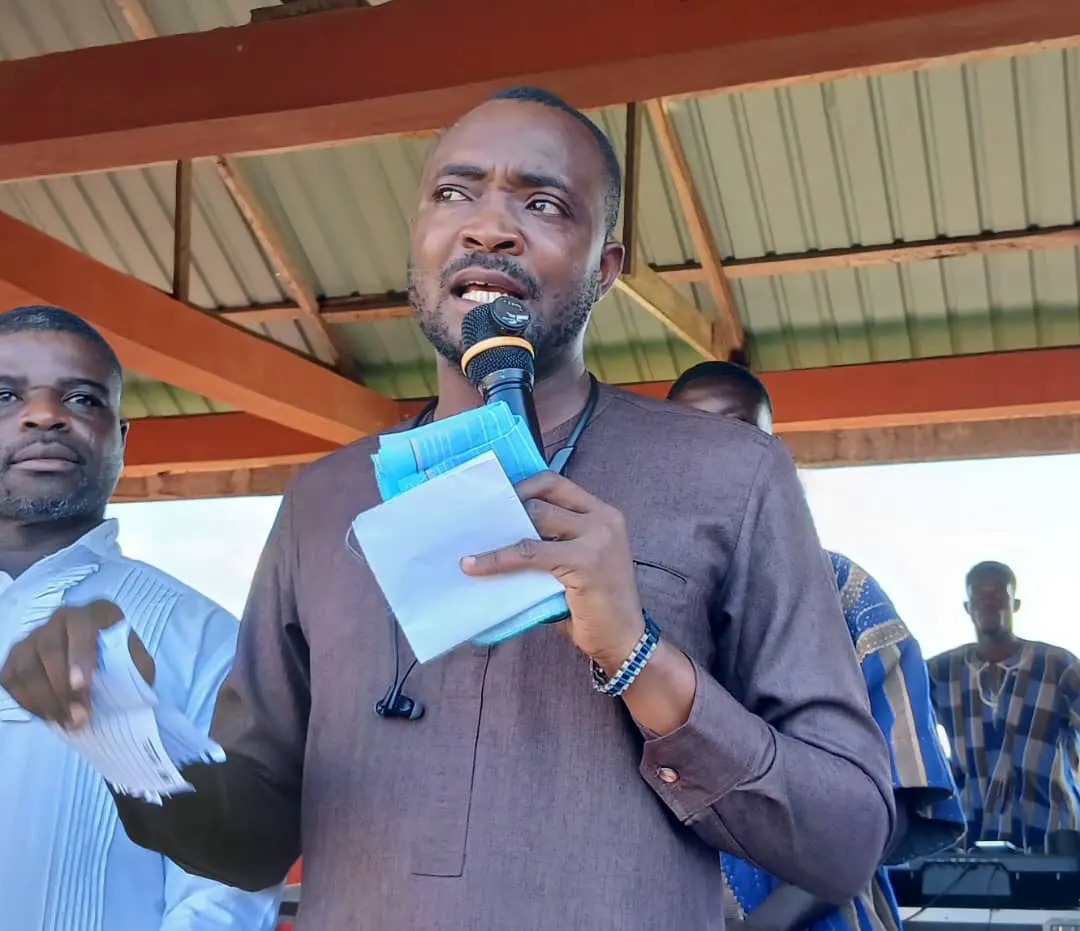
The Bono Regional Director of the National Youth Authority (NYA), Desmond Asaase, has expressed worry over the increasing use of insults and abusive language by some Ghanaian youth on social media. He urged them to preserve the country’s long-standing culture of respect for elders. Asaase noted that social media has become a platform where some young people resort to personal attacks against elders, opinion leaders, government appointees, and other prominent members of society.
Asaase said the development is worrying because it risks undermining values that have traditionally guided relationships between generations in Ghana. He emphasized that giving respect to elders has been part of Ghanaian culture, but for some time now, many youth have been insulting elders, opinion leaders, and government appointees on social media. According to him, the issue has become a growing challenge that requires deliberate public education to help young people understand the distinction between exercising their right to express an opinion and attacking people personally.
The concern comes amid broader discussions in Ghana about responsible online behaviour, cyberbullying, harassment, and the need for greater digital literacy. Social media has transformed how young Ghanaians communicate, participate in public discussions, and express opinions on political, social, and national issues. However, the same platforms have also created spaces where abusive comments, harassment, and other forms of harmful online behaviour can spread rapidly.
A UNICEF Ghana U-Report engagement in February 2025 found that 48% of more than 200 young respondents reported experiencing online abuse, while 64% of those incidents occurred on social media. UNICEF has consequently encouraged young people to practise responsible digital behaviour, including thinking carefully before posting, verifying information, treating others with kindness, and reporting abusive content.
Asaase said the increasing tendency of some young people to use insults when engaging elders and public figures must be confronted through education and community engagement. He stressed that the call for respect should not be interpreted as a demand for young people to remain silent or refrain from questioning people in authority. Young people have the right to disagree with decisions, policies, and opinions, but such disagreements should be expressed constructively.
The Bono Regional NYA Director disclosed that the National Youth Authority would intensify its public education efforts by taking the message directly to young people in communities. He said the Authority would, in the coming days, “hit the streets” to engage young people and encourage them to uphold values of respect and responsible citizenship. Asaase appealed to young Ghanaians to recognise that freedom of expression comes with responsibility, particularly in an era where a social media comment can reach thousands of people within seconds.
The NYA’s planned engagements are expected to focus on helping young people navigate social media responsibly while encouraging constructive debate, responsible criticism, and respectful interaction with people across generations. Asaase described respect for elders as a core value that should not be lost as the country’s communication culture evolves. The engagements aim to promote a culture of respect and responsible online behaviour among Ghanaian youth.
Key points
- The National Youth Authority is taking steps to address the issue through public education and community engagement.
- The issue of insults against elders on social media has become a growing challenge in Ghana.
- UNICEF has encouraged young people to practise responsible digital behaviour to prevent online abuse.