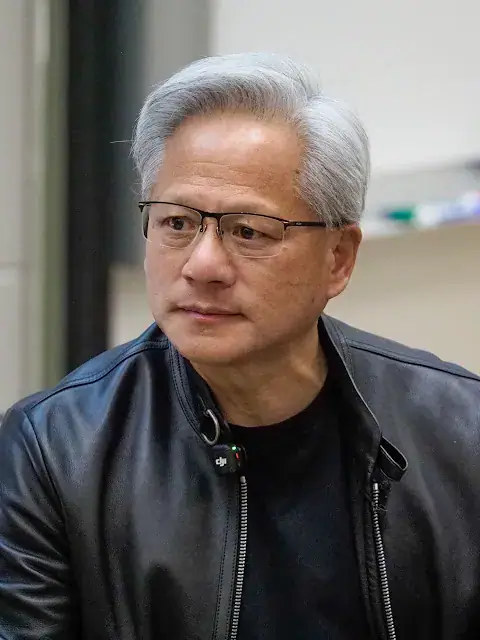
Nvidia has initiated an independent investigation into reports that a foreign intelligence operation targeted CEO Jensen Huang. The company's board announced the inquiry, placing independent directors and external lawyers in charge of examining the reports. Nvidia stated that it had no reason to believe that company secrets or US national security had been compromised. The board expressed confidence in Huang and his leadership team, promising further updates as necessary.
The allegations have drawn attention to two primary concerns: whether restricted American processors reached Chinese customers through unauthorized channels and whether anyone obtained sensitive information about Nvidia's technology. These concerns are part of the broader competition between Washington and Beijing over artificial intelligence and advanced computing. Chinese officials have denied any involvement, with foreign ministry spokesperson Guo Jiakun calling the allegations "entirely baseless and amounting to nothing more than smears and attempts to discredit China."
A Chinese businesswoman, Alice Huang, has been identified as being associated with Nvidia CEO Jensen Huang. American officials reportedly believe she has links to Chinese intelligence. Megaspeed, a Singapore-based technology company and Nvidia customer, has faced scrutiny over suspicions that it helped Chinese companies obtain advanced processors subject to US export restrictions. However, these suspicions do not establish that the company diverted chips or that Nvidia disclosed protected information.
Jensen Huang addressed the controversy in a message to employees, acknowledging that he had been unfaithful to his wife and apologizing for the harm caused to his family. He did not identify Alice Huang in the message but endorsed the board's inquiry and pledged his assistance. Nvidia has also defended its commercial dealings with Megaspeed, stating that the company had examined deployments of its processors and checked their whereabouts.
The Singaporean government has distinguished its investigation into Megaspeed from claims concerning Alice Huang's alleged intelligence connections. The government stated that the Megaspeed inquiry continued but denied reports that Singaporean officials had investigated her intelligence ties or expressed the concerns attributed to them. This controversy arises amid a longer dispute over how much access China should have to American AI technology.
The US has restricted exports of advanced processors due to concerns that Chinese access could strengthen capabilities that compete with American technological and security interests. Nvidia's position as a major supplier of AI chips has placed its products at the center of that policy. Huang has advocated for continued sales to China, arguing that access to American products keeps Chinese developers within an American technology ecosystem.
Nvidia's own disclosures describe the effect of restrictions imposed by both governments. The company reported that American licenses granted from February permitted limited H200 shipments to specified Chinese customers. However, Chinese restrictions prevented it from selling all the products covered by those licenses. The combination of American and Chinese requirements has severely limited Nvidia's ability to compete in China's data-center computing market.
Key points
- Nvidia has launched an independent investigation into reports of a foreign intelligence operation targeting CEO Jensen Huang.
- The allegations involve concerns over restricted American processors reaching Chinese customers and sensitive information about Nvidia's technology.
- The controversy is part of the broader competition between Washington and Beijing over artificial intelligence and advanced computing.
Reporting sources
- Nvidia probes alleged spy targeting CEO · Prime 9ja Online