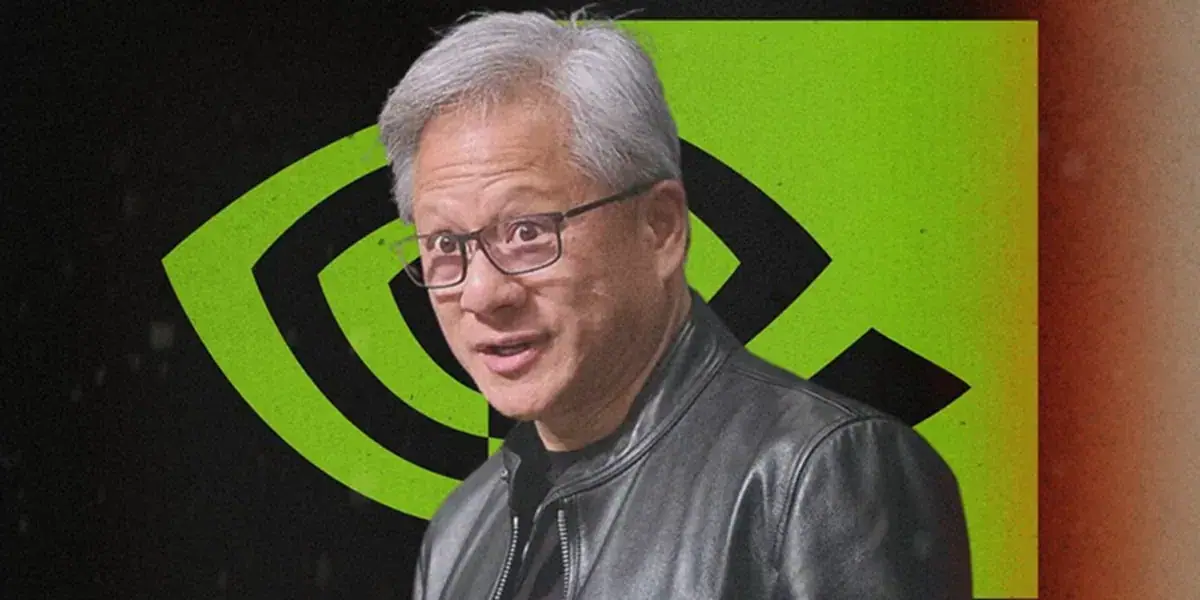
Jensen Huang, co-founder and CEO of Nvidia, has resigned from his position after 33 years, effective Thursday, November 12, 2026. This sudden departure has sent shockwaves through Wall Street, with Nvidia's stock plummeting around 13% at the opening of trading. Huang, 63, had been at the helm of the company since its inception and was a prominent figure in the tech industry. His resignation comes after several days of revelations about his personal life, including an extramarital affair.
The allegations surrounding Huang's personal life involve a woman named Alice Huang, also known as Huang Le, a businesswoman linked to Megaspeed, a Singapore-based company. US authorities suspect her of participating in intelligence activities on behalf of China. Megaspeed has also been under investigation for potentially allowing Chinese companies to access restricted US processors. Huang had acknowledged his infidelity in a message to employees on November 8, apologizing to his family and colleagues.
In light of the allegations, Nvidia's board of directors has announced an independent investigation into potential foreign intelligence operations targeting Huang. However, the company has stated that it has no evidence of any compromise of its industrial secrets. The situation raises questions about the potential involvement of China in destabilizing Nvidia, a leading player in the development of artificial intelligence.
The method of using romantic relationships to approach strategic individuals is known as a "honey trap" in intelligence circles. This scenario takes on particular significance in the case of Nvidia, given the crucial role its chips play in the functioning of AI systems developed by companies like OpenAI and Anthropic. The rivalry between Washington and Beijing in the tech sector adds another layer of complexity to the situation.
The US has been strengthening its restrictions on the export of advanced semiconductors to China since 2022. However, there is currently no public evidence to support the claim that Beijing orchestrated Huang's situation to destabilize Nvidia. Chinese authorities have denied any involvement in espionage activities.
Colette Kress, Nvidia's current CFO, has been appointed as the interim CEO following Huang's resignation. The company's future strategy and continuity are now under scrutiny, particularly given its dominant position in the processor market. The incident has significant implications for the tech industry, which is already navigating complex geopolitical tensions.
The aftermath of Huang's resignation has left Wall Street reeling, with potential losses of several hundred billion dollars in market capitalization. As the investigation unfolds, the focus will be on Nvidia's ability to maintain its strategic direction and on the potential repercussions for the global tech landscape.
Key points
- Jensen Huang's resignation as Nvidia CEO has sparked concerns about the company's future strategy and potential Chinese involvement.
- The allegations of espionage and infidelity have led to a significant decline in Nvidia's stock value.
- The incident highlights the complex interplay between geopolitics and the tech industry, particularly in the context of AI development.