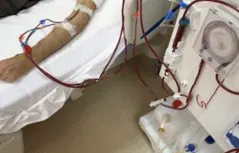
Depression is a significant concern for patients undergoing haemodialysis, with a prevalence of 25-33%. A study conducted at the National Center for Prevention and Treatment of Renal Failure in Cocody and Yopougon, Côte d'Ivoire, aimed to explore nurses' knowledge, practices, and training needs regarding depression in haemodialysis patients. The study involved 35 nurses working in haemodialysis units, recruited through non-probability voluntary sampling.
The study population was predominantly female (71%) and aged 30-39 years (49%). Persistent sadness was the most frequently cited clinical sign of depression (46%). More than half of the nurses (66%) felt capable of diagnosing depressive signs, and 83% recognized that depression delays clinical improvement. However, 94% of the nurses were unaware of screening tools adapted to haemodialysis.
The nurses' primary approach to managing depression was psychological support (49%). However, 64% cited the lack of a clear referral protocol as a barrier to psychiatric referral. The study also found that the nurses' training needs focused on screening tools (96%), referral indicators (80%), and early detection (34%). These findings highlight the need for targeted training and support to enhance nurses' knowledge and practices.
The study's results have significant implications for the care of haemodialysis patients in Abidjan. By strengthening nurses' training in screening and structuring referral pathways to psychiatry, comprehensive care for haemodialysis patients can be improved. The study's findings also underscore the importance of addressing the mental health needs of patients with chronic conditions.
The study's limitations include its small sample size and limited generalizability to other settings. However, the findings are consistent with previous research on the topic. The study's results highlight the need for further research on the knowledge and practices of nurses regarding depression in haemodialysis patients in sub-Saharan Africa.
The study's authors emphasize that the findings can inform strategies to improve the care of haemodialysis patients in Abidjan and beyond. By addressing the gaps in nurses' knowledge and practices, healthcare providers can better support patients with depression and improve overall health outcomes.
Key points
- Nurses in Abidjan require targeted training and support to enhance their knowledge and practices regarding depression in haemodialysis patients.
- The lack of clear referral protocols and screening tools adapted to haemodialysis hinders effective management of depression in haemodialysis patients.
- Strengthening nurses' training in screening and structuring referral pathways to psychiatry can improve comprehensive care for haemodialysis patients.