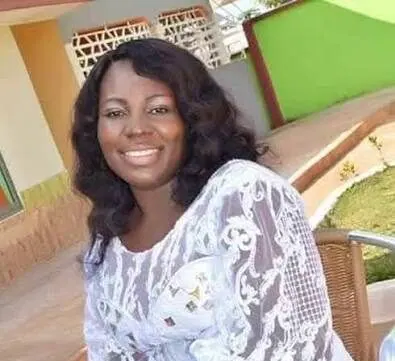
Senior Nursing Officer Salomey Awiti Baffoe, a 40-year-old Ghanaian, has been granted bail of GH¢100,000 after weeks in custody. She was accused of abetting the spread of false news online, sparking debate about Ghana's use of criminal charges against social media speech. Baffoe's family had appealed to the government for her release, citing the toll her absence had taken on her children. Her bail application was initially refused by the High Court.
The court ordered Baffoe's release on two sureties, who must be civil servants earning monthly salaries of not less than GH¢3,000. She has pleaded not guilty to the charge of abetting the publication of false news on social media. Baffoe's case has been marked by procedural delays, with proceedings adjourned to October 5 due to the presiding magistrate's attendance at a judges and magistrates conference.
Baffoe's prosecution is part of a wider pattern of recent cases in Ghana where individuals have faced criminal charges tied to online speech. Her case has sparked conversation about how Ghanaian authorities apply laws against false news to material posted on social media platforms. Under Ghanaian law, publishing or circulating false news that causes public alarm, fear, or disturbs the peace can attract criminal liability.
The case has raised questions about the freedom of Ghanaians to post or share information online without risking arrest and prolonged detention before trial. Baffoe's weeks in custody and the strict financial conditions attached to her release illustrate the practical burden such charges can place on accused persons and their families.
Baffoe's lawyers maintain that she is entitled to be presumed innocent until proven guilty. Her release from custody now depends on her sureties fulfilling the bail conditions set by the court. The case is set to resume on October 5, when the prosecution is expected to continue presenting its evidence.
The Justice Ministry has discussed the case, which is part of a broader conversation about online speech and its regulation in Ghana. The outcome of Baffoe's case may have implications for how Ghanaian authorities approach similar cases in the future.
The case highlights the challenges of balancing free speech with the need to regulate online content.
Key points
- The case has sparked debate about Ghana's use of criminal charges against social media speech.
- Baffoe's prosecution is part of a wider pattern of recent cases in Ghana where individuals have faced criminal charges tied to online speech.
- The case has raised questions about the freedom of Ghanaians to post or share information online without risking arrest and prolonged detention before trial.