The Nigerian Upstream Petroleum Regulatory Commission (NUPRC) has taken a significant step towards achieving Nigeria's 60 per cent methane emissions reduction target by 2035. The commission has introduced the Nigerian Oil and Gas Industry Emission Tracker (NOGIET), a technology-driven platform designed to improve methane monitoring, reporting, and regulatory enforcement. This move is part of the commission's efforts to implement its 2022 Guidelines for the Management of Fugitive Methane and Greenhouse Gas Emissions in the Upstream Oil and Gas Sector.
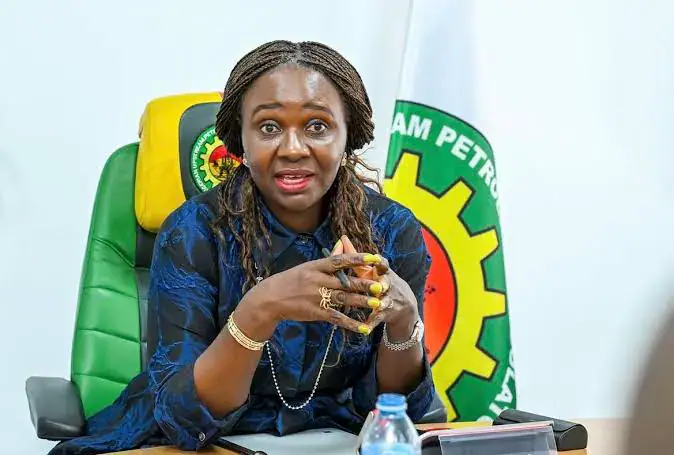
NOGIET was formally handed over to the chief executive of the NUPRC, Oritsemeyiwa Eyesan, at the Commission's headquarters in Abuja. The executive commissioner, Health, Safety, Environment and Community (HSEC), Captain John Tonlagha, represented the chief executive during the handover. Tonlagha emphasized that the initiative is crucial for intensifying the implementation of the commission's guidelines. The guidelines require operators to transition from estimation-based to measurement-based emissions reporting by the first quarter of 2027.
The NUPRC chief executive, Oritsemeyiwa Eyesan, stated that NOGIET aligns with the commission's digital transformation agenda and Nigeria's broader commitment to reducing methane emissions. The platform aims to eliminate routine gas flaring and achieve net-zero emissions by 2060. Eyesan explained that NOGIET integrates satellite-based methane plume detection, regulatory mapping of oil blocks and pipelines, and facility-level emissions measurements. This integration will help regulators identify emission hotspots, detect discrepancies in reported data, prioritize inspections, and strengthen compliance monitoring.
The effective integration of NOGIET into the Commission's regulatory monitoring and data management systems is expected to strengthen the credibility, consistency, and reliability of emissions data. This will enable the commission to make informed decisions and take evidence-based enforcement actions. The platform was developed through a partnership involving the Stakeholder Democracy Network (SDN), with financial and technical support from the Global Methane Hub (GMH).
NOGIET is designed for use by both the NUPRC and the Nigerian Midstream and Downstream Petroleum Regulatory Authority (NMDPRA). This promotes a coordinated approach to methane management across the oil and gas sector. The CCE commended the Global Methane Hub for its financial and technical support and SDN for its leadership, coordination, and commitment to delivering the initiative.
Inemo Samiama, the Board Chairman of SDN, noted that the platform's ability to compare satellite observations with facility-level measurements will help regulators identify potential discrepancies. Samiama stated that SDN hands over NOGIET in full, front end and back end, at no cost to the Commission. The platform will move from its temporary home at nogiet.ng to the Commission's own subdomain.
The adoption of NOGIET demonstrates Nigeria's commitment to reducing methane emissions and promoting sustainable practices in the oil and gas sector. The platform's implementation is expected to have a positive impact on the environment and contribute to achieving Nigeria's climate change goals. Key stakeholders are optimistic that NOGIET will enhance transparency and accountability in emissions reporting.
Key points
- NUPRC adopts NOGIET to monitor methane emissions
- Platform aims to achieve 60% methane emissions reduction by 2035
- NOGIET promotes coordinated approach to methane management across oil and gas sector