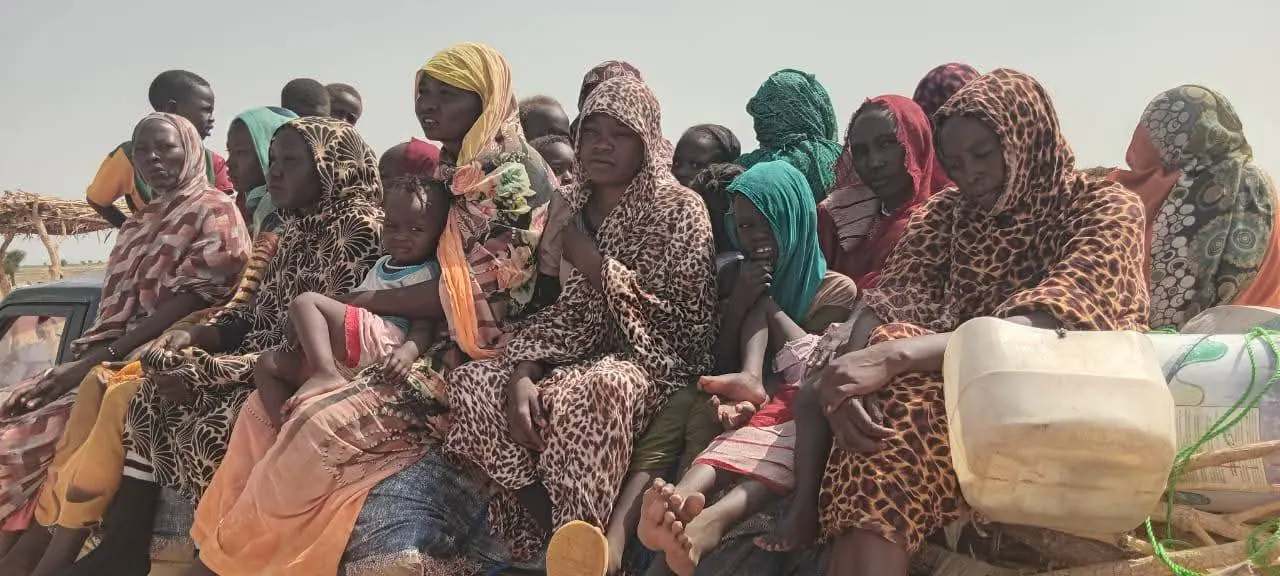
The number of displaced families in Tolila, North Darfur, has risen to 513, comprising 2,802 individuals, mostly women and children, since the start of September. This recent influx follows the arrival of 108 new families, consisting of 497 individuals, on Saturday. The area is facing a dire humanitarian situation due to the lack of food, medicine, and healthcare.
According to Adam Rajal, the official spokesperson for refugee and displaced persons' camps, Tolila is no stranger to tragedy, as it already hosts over a million displaced people, making it one of the largest displacement hubs in Sudan. With this new influx, the humanitarian crisis is escalating, and the situation is becoming increasingly fragile due to drought, low rainfall, and the threat of famine caused by a shortage of humanitarian aid.
The newly arrived families are deprived of food, medicine, and clean water, and are living in harsh conditions without safe shelter. Women and children make up the majority of the new arrivals, increasing the need for healthcare and psychological support. The existing camps are already overcrowded and lacking in services, making it a significant humanitarian challenge to accommodate these new families and increasing the risk of disease and epidemic outbreaks.
In the absence of social protection programs, women and children are left vulnerable to abuse and violence, weakening the community's resilience. Rajal emphasized the urgent need for food, clean water, medicine, and shelter. He called for the provision of emergency food aid, clean water, and medical supplies to address the spread of diseases such as malaria and acute diarrhea.
The situation in Tolila is further complicated by the lack of humanitarian aid, leading to extreme poverty and high living costs. The area is in dire need of assistance to prevent a further deterioration of the situation. The displaced families require immediate support to address their basic needs and protect them from further harm.
To address the crisis, Rajal stressed the importance of establishing programs for protection and psychological support, particularly for women and children. These programs would help protect them from the challenges they face and provide urgent psychological and social support to help them cope with the trauma of war and displacement.
The humanitarian situation in Tolila remains critical, with the need for urgent assistance to prevent a further escalation of the crisis. The international community and humanitarian organizations must provide immediate support to address the needs of the displaced families and alleviate their suffering.
Key points
- The number of displaced families in Tolila has reached 513, comprising 2,802 individuals, mostly women and children.
- The area is facing a dire humanitarian situation due to the lack of food, medicine, and healthcare.
- Urgent assistance is required to address the needs of the displaced families and prevent a further escalation of the crisis.