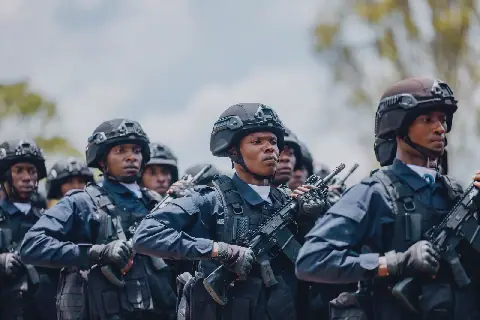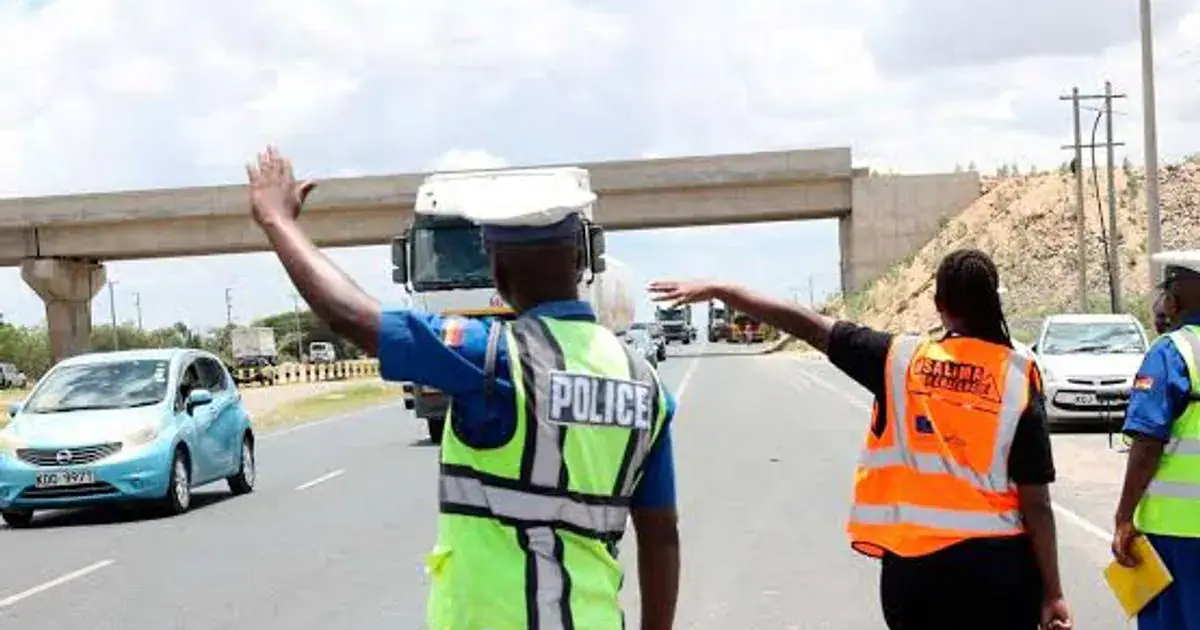
The National Transport and Safety Authority (NTSA) has initiated a nationwide road safety campaign dubbed Msimu Bila Ajali, or "Accident-Free Season." This campaign aims to reduce road accidents by conducting checks at both day and night along major transport corridors across Kenya. The initiative, launched in partnership with law enforcement agencies, seeks to sensitize drivers and passengers at designated checkpoints nationwide.
NTSA identified evening and late-night hours as the deadliest periods on Kenyan roads, based on crash statistics. This prompted the authority to direct additional resources specifically towards these high-risk hours. The goal is to disrupt key risk factors behind preventable road accidents during these times. Both day and night operations will run under strict protocols designed to protect motorists, manage traffic flow, and ensure officer safety at checkpoints.
Motorists and public transport operators will be assessed against seven specific compliance areas during the exercise. These checks include real-time speed monitoring to detect speeding violations, verification of functional speed limiters, and validation of PSV documentation. Additionally, authorities will inspect passenger and load limits, verify valid licenses, and enforce seatbelt use. Breathalyser screening will also be carried out to identify cases of drink-driving.
To ensure compliance with speed regulations, NTSA will use real-time speed monitoring equipment. Any speed violation notifications will be sent via SMS from the sender ID "NTSA." Drivers are urged to report suspicious messages from numbers falsely claiming to represent the authority. Vehicle owners can link their vehicles to a licensed speed limiter vendor directly through the Intelligent Road Safety Management System portal.
The authority advises all road users traveling at night to exercise caution. Recommendations include reducing speed, maintaining a longer following distance from other vehicles, and remaining fully focused on the road. Darkness significantly limits visibility, increasing the risk of accidents. Motorists approaching checkpoints are advised to slow down in good time and cooperate fully with officers conducting the checks.
NTSA emphasizes the importance of seatbelt use, noting that it helps prevent ejection from vehicles and significantly reduces the risk of fatal or serious injury in the event of a crash. The authority also stresses the need for drivers to present valid Driving Licences and, where relevant, valid PSV badges. Furthermore, operators of long-distance public transport vehicles must produce a passenger manifest, a driver log, and proof of compliance with their licensed route.
The Msimu Bila Ajali campaign aims to promote road safety and reduce accidents during the high-risk evening and late-night hours. By enforcing compliance with safety regulations and educating motorists, NTSA seeks to create a safer road environment for all users. The campaign's success will depend on the cooperation of drivers, passengers, and law enforcement agencies across Kenya.
Key points
- NTSA targets evening and late-night hours as the deadliest periods on Kenyan roads.
- Motorists must pass seven compliance checks, including speed monitoring and breathalyser screening.
- The campaign aims to reduce road accidents and promote a culture of safety among motorists.