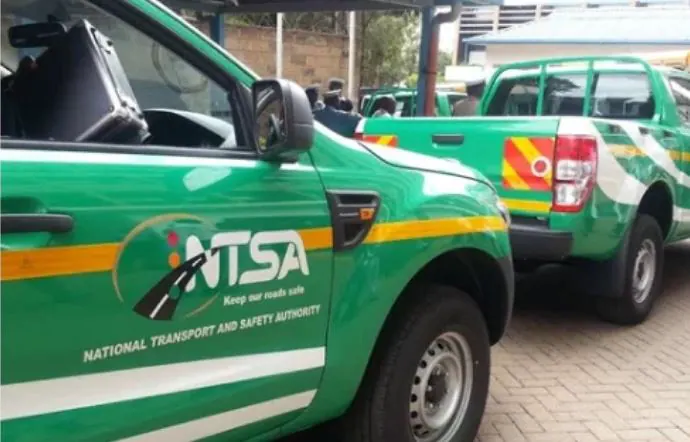
The National Transport and Safety Authority (NTSA) in Kenya has initiated a nationwide program to professionalize the public transport sector by providing free training to over 4,000 public service vehicle (PSV) drivers, operators, SACCO managers, and supervisors. This program, which started on September 21, aims to enhance safety, compliance, and service standards across the sector. The training began with cohorts in Taita Taveta, Mombasa, and Garissa counties.
The training program focuses on defensive driving, passenger care, and compliance, with the goal of professionalizing PSV drivers as safety-conscious operators. It also aims to build a lasting culture of safety among drivers and operators while improving day-to-day driving practices and operational standards. The program is part of ongoing reforms to shift public transport from informal, passenger-chasing operations to professionally managed, safety-oriented, financially sustainable, and compliant transport businesses.
The NTSA program targets both drivers and the organizations that employ them, recognizing the critical roles each plays in advancing a safety culture and reducing preventable crashes. The training covers a wide range of topics, including professional conduct, communication, driver wellness, defensive driving, vehicle safety, and fuel efficiency. Participants will also learn about hazard perception, vehicle checks, smooth driving, legal awareness, digital systems, and emergency response.
An integrated competency assessment will be used to identify safety gaps and establish immediate remedies. The program also targets the business side of public transport, with operators, SACCO managers, and company management receiving training in strategic leadership, governance, and financial performance. Other areas include fleet operations, compliance, road safety, customer experience, technology, and sustainable growth.
Participants will develop a 90-day operator improvement plan as part of the program. The initiative is being implemented in four phases: design and baseline, pilot program, scale-up and national rollout, and institutionalization and sustainability. A Training of Trainers cohort has already completed its program to support the rollout. The first driver and operator cohorts were scheduled ahead of the festive season, when passenger volumes and commercial pressure on PSV operations typically rise.
The pilot phase will provide data to help refine the curriculum and trainer deployment before the program is expanded nationally. The next phase will progressively extend the training to additional counties, with priority given to high-risk corridors and high-volume routes. The authority also plans to develop a professional course for Public Transport Management and Professional Drivers Certification in collaboration with training institutions.
The program is expected to strengthen compliance with traffic laws, licensing, roadworthiness, insurance, passenger-safety standards, and other statutory obligations. It will also generate practical, sector-informed input into the review of the PSV (Operations) Regulations, 2014, and the wider licensing framework. The NTSA said the program will strengthen its partnership with the public transport industry as the foundation for deeper structural reforms.
Key points
- The training program is free for drivers and operators and covers topics such as defensive driving, passenger care, and compliance.
- The program aims to professionalize PSV drivers as safety-conscious operators and build a lasting culture of safety among drivers and operators.
- The initiative is being implemented in four phases, with the pilot phase providing data to refine the curriculum and trainer deployment.