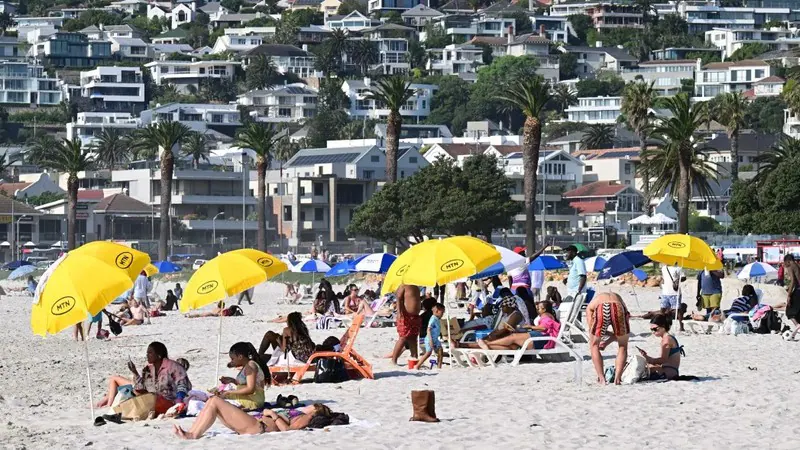
The National Sea Rescue Institute (NSRI) in South Africa has reported an increase in rescue activity along parts of the country's coastline as the September school holidays approach. With public schools closing on September 23, 2026, and Heritage Day marking the start of the break on September 24, the NSRI expects more people to visit beaches and inland waterways, particularly with forecasts of warmer weather.
According to a South African Epidemiological Study of Fatal Drownings: 2016–2021, the country recorded an average of 1,477 fatal drownings annually during the six-year period, which equates to about four deaths a day on average. The study identifies children under five as the most vulnerable demographic, with 2,755 deaths recorded in this age group between 2016 and 2021.
The NSRI is urging families to prioritise water safety ahead of the school holidays, with the organisation's head of communications, Andrew Ingram, stressing that ocean-based emergencies can be prevented by planning ahead, choosing safer places to swim, and supervising children closely. Ingram advised the public to check where lifeguards will be on duty and make sure everyone knows what to do in an emergency.
To ensure safety, the NSRI advises the public to actively supervise children whenever they are in or near water, keep young children within arm’s reach while they are in the water, and never leave a child unattended near water, even for a moment. The organisation also recommends agreeing on a meeting point before arriving at a beach or another busy location, in case a child becomes separated from the group.
For swimmers, boaters, and anglers, the NSRI advises swimming where lifeguards are on duty and staying between the designated flags, wearing a correctly fitted lifejacket when boating, paddling, or fishing from rocks, and avoiding alcohol before or during swimming and boating. The organisation also recommends learning about rip currents before entering the sea.
If caught in a rip current, the NSRI recommends that swimmers do not panic or try to swim directly against the current, but instead float, raise an arm to attract attention, and swim parallel to the beach until they are clear of the current. The organisation also encourages people to learn basic bystander CPR, which could help save a life while emergency services are on their way.
In case of an emergency, the NSRI advises the public to call 112, the cellphone emergency number, or 087 094 9774, the NSRI Emergency Operations Centre number. The organisation also warns against entering the water to attempt a rescue, instead recommending that people throw the person in difficulty something that floats, such as a pink rescue buoy.
Key points
- Children under five face the highest risk of fatal drowning in South Africa.
- The NSRI reports an increase in rescue activity along parts of the country's coastline as the school holidays approach.
- The organisation urges the public to prioritise water safety and take preventative measures to avoid ocean-based emergencies.