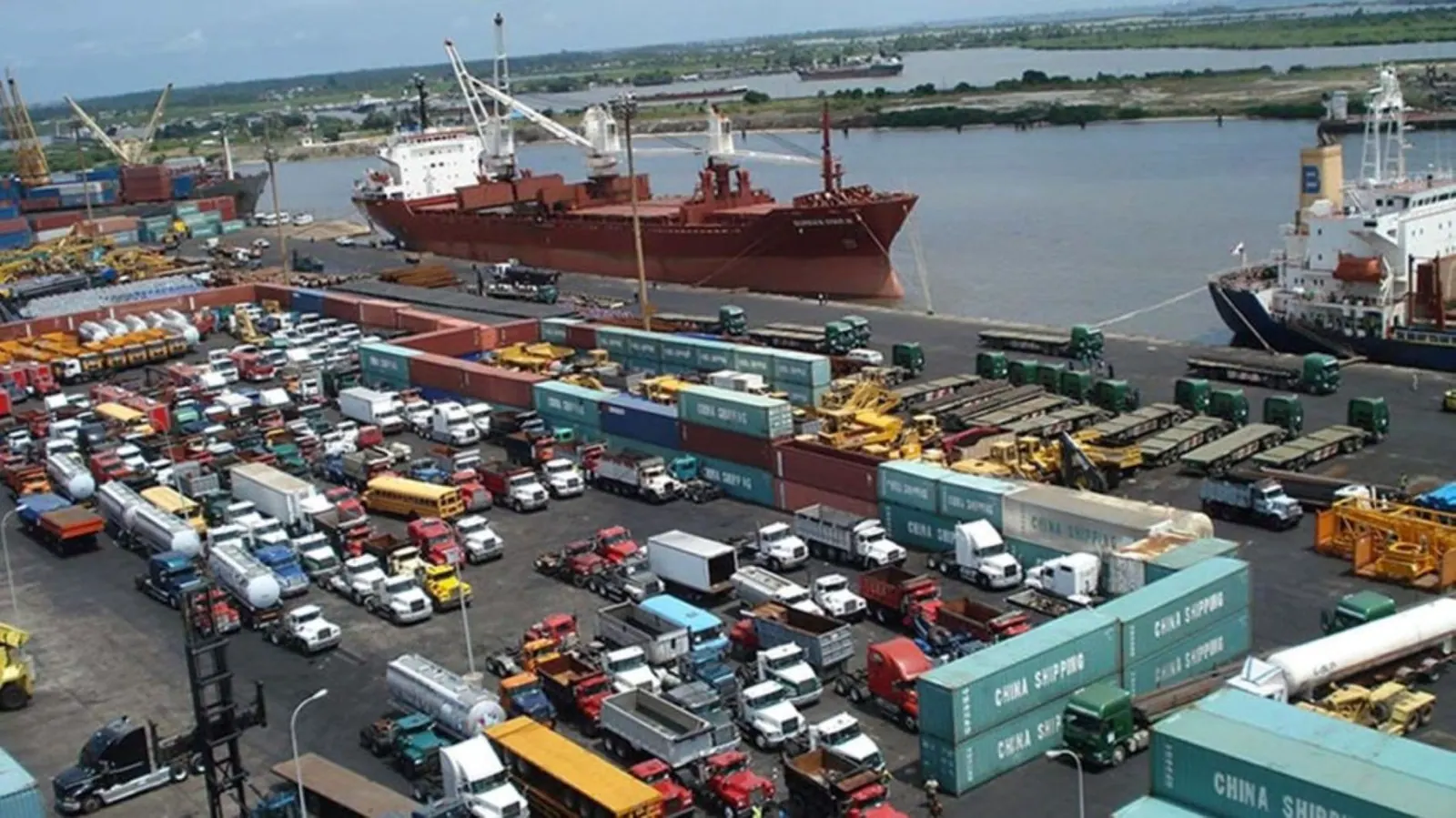
The Nigerian Ports Authority (NPA) has initiated measures to address the rail connectivity and logistics challenges affecting inland dry ports. This move aims to integrate these facilities into the nation's port system and enhance cargo movement across the country. The effort follows a meeting between NPA management, led by Managing Director Dr. Abubakar Dantsoho, and representatives of inland dry ports.
The meeting, which took place at the NPA's corporate headquarters in Marina, Lagos, focused on strengthening institutional collaboration, addressing infrastructure constraints, and improving operational efficiency. Discussions centered on upgrading inland dry port infrastructure and technical capacity to complement ongoing modernization efforts at the nation's seaports. The facilities must be equipped to handle increasing cargo volumes and support the broader transformation of Nigeria's maritime sector.
Dr. Abubakar Dantsoho emphasized the need for modern equipment and advanced technical capabilities at inland dry ports to handle larger cargo volumes and bigger vessels. He noted that the integration of digital platforms, such as the Port Community System (PCS) and the National Single Window, into seaport operations must be matched by corresponding improvements at inland dry ports. This will ensure that dry ports function at the same level as the modernized seaports.
The NPA managing director also called for increased private-sector investment in inland dry port infrastructure. He cited APM Terminals' establishment of an Export Processing Terminal in Northern Nigeria as an example of private-sector participation in developing inland logistics infrastructure. Stronger investment is critical to improving cargo handling capacity and operational efficiency at these facilities.
Dr. Dantsoho assured stakeholders that efforts to optimize the inland port system are underway. He confirmed plans to visit the Dala and Funtua facilities to assess their operational conditions and infrastructure requirements. This move aims to identify the specific needs of each facility and develop targeted solutions to address the challenges they face.
Hassan Bello, Principal Partner of Justicia Legal Practitioners, welcomed the transfer of operational oversight to the NPA. He expressed appreciation for the seamless transition and highlighted the challenges confronting inland dry ports, particularly inadequate rail connectivity and broader logistics constraints. Bello emphasized that efficient rail connections to the national rail network can facilitate cargo movement between seaports and inland destinations.
The meeting established a framework for further technical consultations, infrastructure integration, and physical planning. This will help identify the requirements for improving operations at inland dry ports. The NPA and stakeholders will work together to address the challenges facing these facilities and enhance their contribution to Nigeria's maritime sector.
Key points
- NPA to upgrade inland dry port infrastructure and technical capacity
- Increased private-sector investment sought for inland dry port infrastructure
- Efficient rail connections critical for facilitating cargo movement