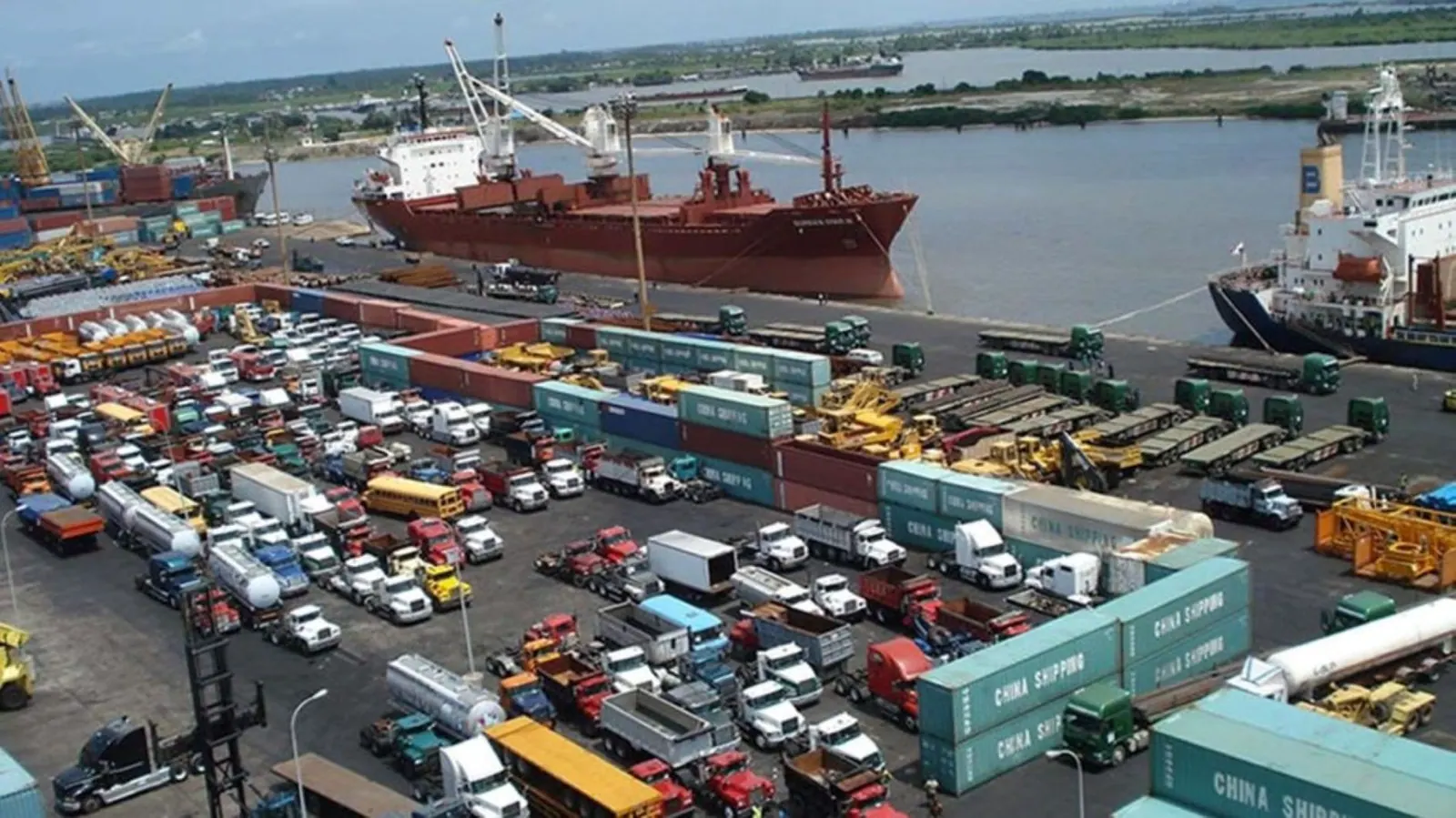
The Nigerian Ports Authority (NPA) is taking steps to ease port bottlenecks and boost non-oil exports. According to NPA's Managing Director, Dr Abubakar Dantsoho, the authority is strengthening port infrastructure and extending maritime logistics into the hinterland to enable exporters to access global markets more efficiently. This move aims to improve cargo processing and increase foreign exchange inflows. The efforts were disclosed at the 21st Abuja International Trade Fair organised by the Abuja Chamber of Commerce and Industry (ACCI).
Dr Dantsoho emphasized that trade resilience required efficient infrastructure, predictable fiscal frameworks, and seamless supply chains. He noted that Nigeria's economic resilience could no longer depend largely on imports and oil revenues. Instead, expanding non-oil exports and integrating businesses across the country into global value chains were critical to sustainable economic growth. The NPA is working to achieve this by improving port services and reducing the challenges faced by exporters.
The Federal Government recently approved the transfer of Inland Dry Port (IDP) management and development functions to the NPA. This development will bring port services closer to businesses operating far from coastal ports, particularly benefiting exporters in northern and central Nigeria, including Abuja. By reducing the need to transport raw commodities to coastal ports before completing port clearance and documentation, exporters will face fewer challenges.
The NPA has introduced targeted interventions to eliminate bottlenecks confronting non-oil exporters. One of these interventions is the operationalisation of dedicated Export Processing Terminals. These terminals serve as one-stop centres where sorting, packaging, quality certification, and customs documentation can be completed before export cargo is moved to port terminals. This move has supported the growth of non-oil exports, particularly agricultural commodities and solid minerals.
According to Dr Dantsoho, the interventions have led to increased export activity in various products over the past two years. These products include cocoa, sesame seeds, cashew nuts, and hibiscus, as well as solid minerals. Streamlined export channels are expected to improve foreign buyers' confidence in Nigerian products and increase foreign exchange inflows. This, in turn, will benefit the country's economy.
Dr Dantsoho urged businesses in agriculture, manufacturing, processing, and solid minerals to take advantage of the emerging export infrastructure and expand their presence in international markets. He believes that this will help Nigerian producers meet international delivery schedules and increase their competitiveness. The NPA is committed to supporting the growth of non-oil exports and improving the efficiency of port services.
The Director-General of ACCI, Agabaidu Jideani, called for stronger collaboration with the NPA to facilitate trade, unlock investment opportunities, and strengthen the link between the maritime sector and the wider business community. He emphasized that closer engagement between the NPA and the organised private sector was critical to improving the ease of doing business and enhancing Nigeria's participation in domestic, regional, and international trade.
Key points
- The Nigerian Ports Authority is strengthening port infrastructure to improve cargo processing and increase foreign exchange inflows.
- The NPA's efforts include the operationalisation of dedicated Export Processing Terminals to eliminate bottlenecks confronting non-oil exporters.
- The recent approval of the transfer of Inland Dry Port management and development functions to the NPA will bring port services closer to businesses operating far from coastal ports.