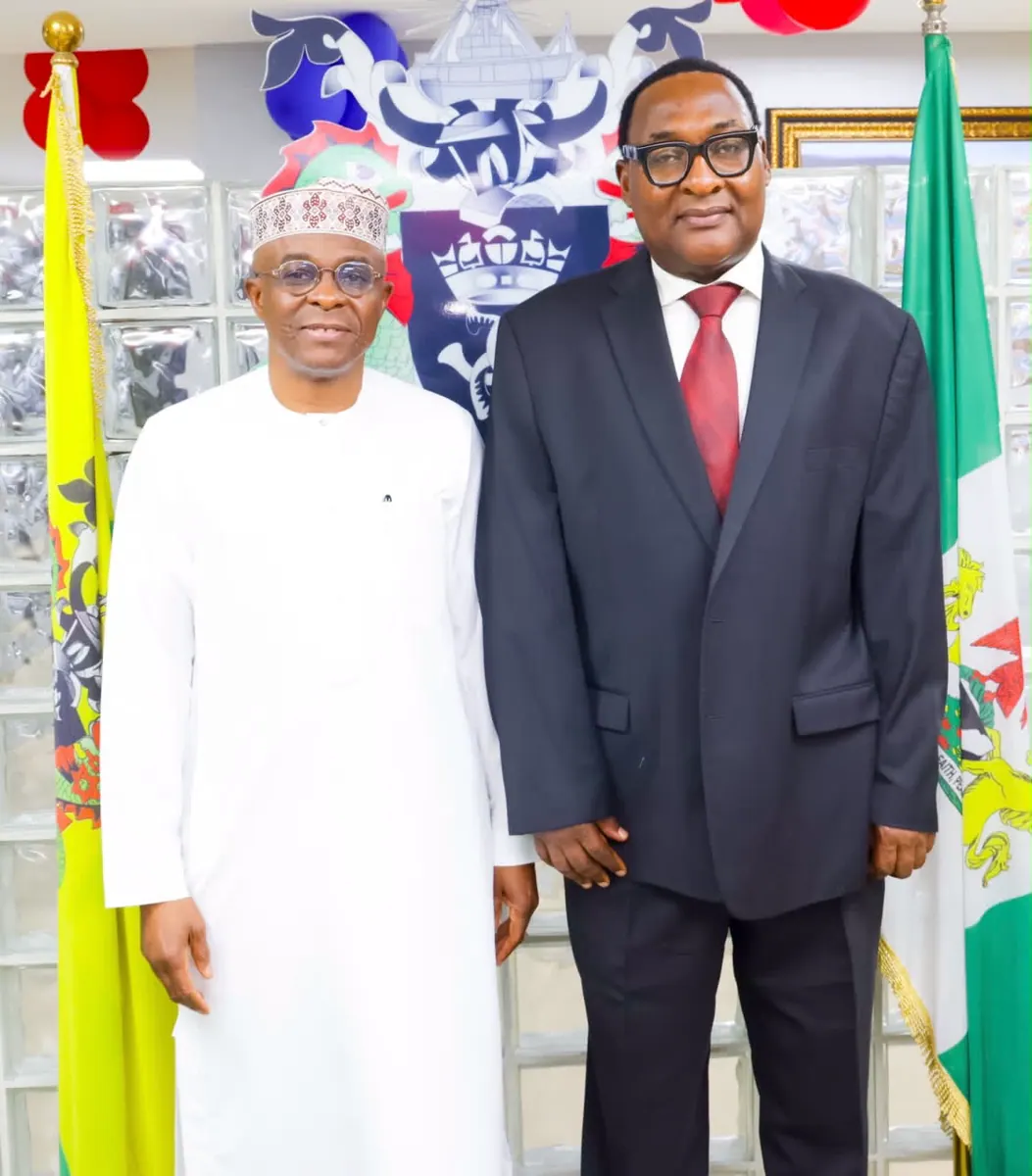
The Nigerian Ports Authority (NPA) has initiated measures to address the rail connectivity and logistics challenges affecting inland dry ports. This move aims to integrate these facilities into the nation's port system and improve cargo movement across the country. The effort follows a meeting between NPA management, led by Managing Director Dr. Abubakar Dantsoho, and representatives of Dala Inland Dry Port and Funtua Inland Dry Port.
The meeting was held at the NPA's corporate headquarters in Marina, Lagos, after the Minister of Marine and Blue Economy, Dr. Adegboyega Oyetola, directed the transfer of operational oversight of inland dry ports to the NPA. Discussions focused on strengthening institutional collaboration, addressing infrastructure constraints, and improving operational efficiency across Nigeria's maritime logistics chain.
Dr. Dantsoho emphasized the need to upgrade inland dry port infrastructure and technical capacity to complement ongoing modernization efforts at the nation's seaports. He stated that these facilities must handle increasing cargo volumes and support the broader transformation of Nigeria's maritime sector. Dantsoho also highlighted the importance of integrating digital platforms, such as the Port Community System (PCS) and the National Single Window, into inland dry port operations.
The NPA managing director called for increased private-sector investment in inland dry port infrastructure, citing APM Terminals' establishment of an Export Processing Terminal in Northern Nigeria as an example of private-sector participation. He assured stakeholders that efforts to optimize the inland port system are underway and confirmed plans to visit Dala and Funtua facilities to assess their operational conditions and infrastructure requirements.
Hassan Bello, speaking on behalf of the delegation, welcomed the transfer of operational oversight to the NPA and expressed appreciation for the seamless transition. He referenced the gazetted Port Act, which recognizes inland dry ports as official ports of origin and destination, and drew attention to challenges confronting the facilities, particularly inadequate rail connectivity and broader logistics constraints.
The meeting established a framework for further technical consultations, infrastructure integration, and physical planning to identify requirements for improving operations at the facilities. The discussions highlighted the need for detailed technical assessments, stakeholder coordination, and physical inspections to establish infrastructure priorities and guide subsequent project development.
The planned visits to Dala and Funtua inland dry ports are expected to provide the NPA with a clearer understanding of the facilities' operational challenges and the interventions required to strengthen their roles in cargo distribution, trade facilitation, and Nigeria's wider maritime logistics network. This will enable the NPA to develop targeted solutions to address the identified challenges and improve the overall efficiency of inland dry ports.
Key points
- The Nigerian Ports Authority aims to integrate inland dry ports into the nation's port system and improve cargo movement.
- The NPA plans to upgrade inland dry port infrastructure and technical capacity to handle increasing cargo volumes.
- The authority will visit Dala and Funtua facilities to assess their operational conditions and infrastructure requirements.