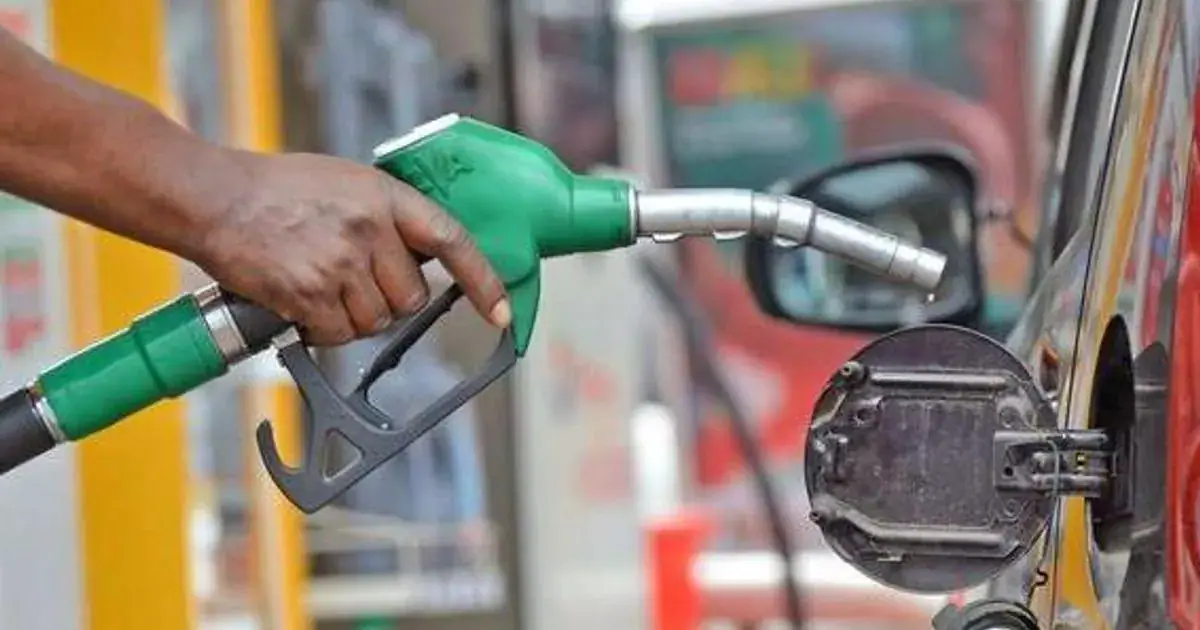
The National Petroleum Authority (NPA) of Ghana has announced a reduction in the price floors for petrol and liquefied petroleum gas (LPG) for the first half of November. This move is expected to bring relief to consumers as petrol and LPG prices may decrease at the pumps. The NPA sets price floors to ensure a minimum price for fuel products, and the latest adjustments reflect changes in the domestic petroleum market.
The petrol price floor has been reduced from GH¢16.09 to GH¢15.39 per litre, representing a decrease of GH¢0.70 or 4.35%. This reduction is significant as it may lead to lower petrol prices for consumers. The LPG price floor has also decreased from GH¢13.89 to GH¢13.73 per kilogram, a reduction of GH¢0.16 or 1.15%. These changes are expected to have a positive impact on consumers who rely heavily on these fuel products.
However, the price floor for diesel has increased from GH¢17.09 to GH¢17.41 per litre, representing a rise of GH¢0.32 or 1.87%. This increase may lead to higher diesel prices at the pumps, affecting consumers who rely on diesel for their vehicles or businesses. The NPA's decision to adjust the price floors is based on changes in international product prices, exchange-rate movements, and other market factors.
The revised price floors, which take effect from November 1 to 15, may lead to lower petrol and LPG prices, but the final amounts consumers pay will depend on decisions by oil marketing companies. The NPA's pricing formula takes into account various factors, including international crude oil prices, exchange rates, and the margins applied by Oil Marketing Companies (OMCs) and LPG Marketing Companies.
The latest adjustments follow the previous pricing window, which ran from October 16 to 31, when petrol and diesel price floors declined while LPG recorded a sharp increase. During the second half of October, the NPA set the petrol price floor at GH¢16.09 per litre, down from GH¢16.45 in the first half of the month. Diesel fell from GH¢17.97 to GH¢17.09 per litre, while LPG rose from GH¢11.10 to GH¢13.87 per kilogram.
The NPA's decision to adjust the price floors reflects the dynamic nature of the domestic petroleum market, where international product prices, exchange-rate movements, and the pricing decisions of individual marketers can affect the cost of fuel. The revised price floors do not guarantee that pump prices will fall or rise by the same amounts, as the actual prices depend on how marketers adjust their costs and margins during the new pricing period.
Consumers will have to monitor announcements from individual fuel retailers from November 1 to determine the actual prices at which petrol, diesel, and LPG will be sold. The NPA's adjustments come amid rising international crude oil prices, although the recent appreciation of the cedi could help cushion the effect of external price pressures on domestic fuel costs.
Key points
- The NPA has reduced the price floors for petrol and LPG for November, but increased the diesel floor price.
- The revised price floors may lead to lower petrol and LPG prices, but the final amounts consumers pay will depend on decisions by oil marketing companies.
- The NPA's decision to adjust the price floors reflects changes in international product prices, exchange-rate movements, and other market factors.