In Iceland, geothermal energy supplies 65% of the country's electricity and heats nearly 90% of its households. The country's geothermal operations are characterised by high rates of reinjection to reduce water use, minimal use of open brine storage, and efforts to capture and reinject emissions. This approach has minimised environmental harm, making geothermal energy a celebrated success story.
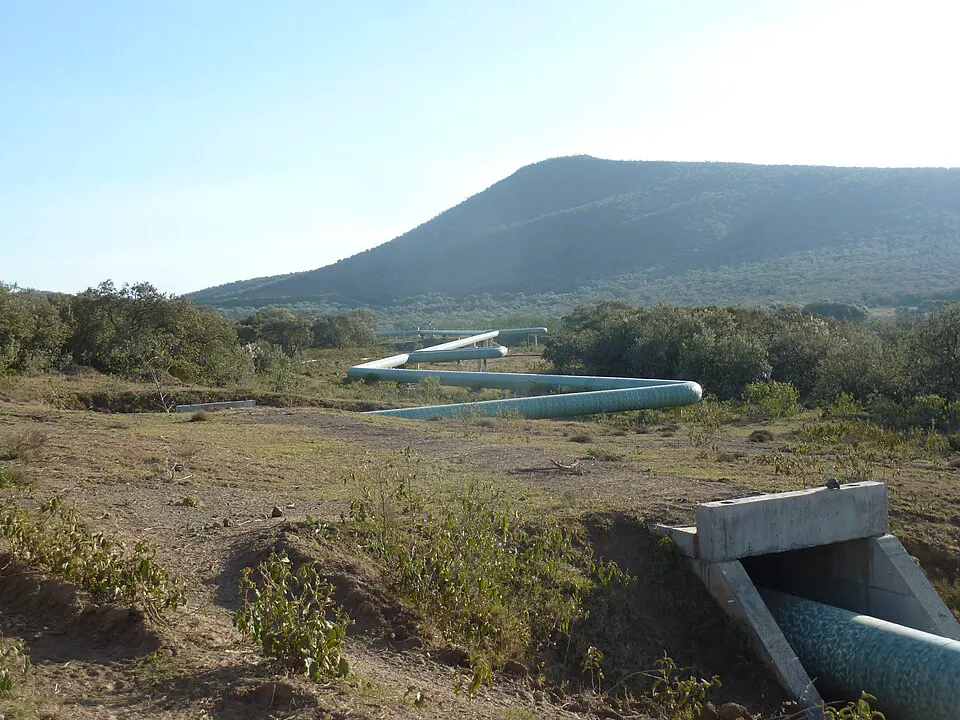
In contrast, Kenya's geothermal projects, which supply nearly half of the country's electricity, are entangled in disputes over land, livelihoods, and rights. Local communities have reported acid rain, noise pollution, and toxic soil, resulting in respiratory problems and harm to their health and livelihoods. The Kenyan government's management of geothermal by-products, such as brine and emissions, has been criticised for being inconsistent and ineffective.
The geography and history of Iceland and Kenya have contributed to the differing impacts of geothermal energy. Iceland's geothermal resources are located in sparsely populated volcanic zones, with relatively stable land tenure and little legacy of large-scale dispossession. In Kenya, the Rift Valley is a highly populated area with deep historical and cultural ties to the land, and a legacy of colonial and postcolonial land alienation and violent evictions.
In Kenya, the expansion of geothermal projects has led to further resettlement, restricted access to grazing areas, loss of livelihoods, and ongoing disputes over compensation and participation. Maasai communities have been particularly affected, with some being resettled on land less than half the size of their previous grazing grounds, making their traditional way of life as pastoralists impossible.
The Coalition for Human Rights in Development (CHRD) has highlighted the concerns of local communities affected by geothermal projects in Kenya. CHRD members and partners have reported loud noises, hydrogen sulphide emissions, dust, and water pollution, and have expressed concerns about the impact of geothermal emissions and open brine ponds on their health and livelihoods.
In 2014, a group of Indigenous Maasai pastoralist communities submitted a complaint to the accountability mechanisms of the World Bank and European Investment Bank for their investment in the Olkaria IV geothermal project, which caused the displacement of around 150 families. The banks' accountability mechanisms confirmed serious weaknesses in consultation, livelihood restoration, and the treatment of Indigenous land and culture.
The stark contrast between Iceland and Kenya's experiences with geothermal energy highlights the importance of governance, ownership, and accountability in determining the impact of energy projects on local communities. While Iceland's strong state institutions have enabled the development of geothermal energy in a way that benefits everyone, Kenya's geothermal projects have been marred by disputes and environmental harm due to inadequate governance and community engagement.
Key points
- The difference in the impact of geothermal energy in Iceland and Kenya lies in the governance, financing, and social context of the two countries.
- Kenya's geothermal projects have been criticised for their inconsistent and ineffective management of by-products, leading to environmental harm and disputes with local communities.
- The expansion of geothermal projects in Kenya has led to the displacement of local communities, restricted access to grazing areas, and loss of livelihoods.