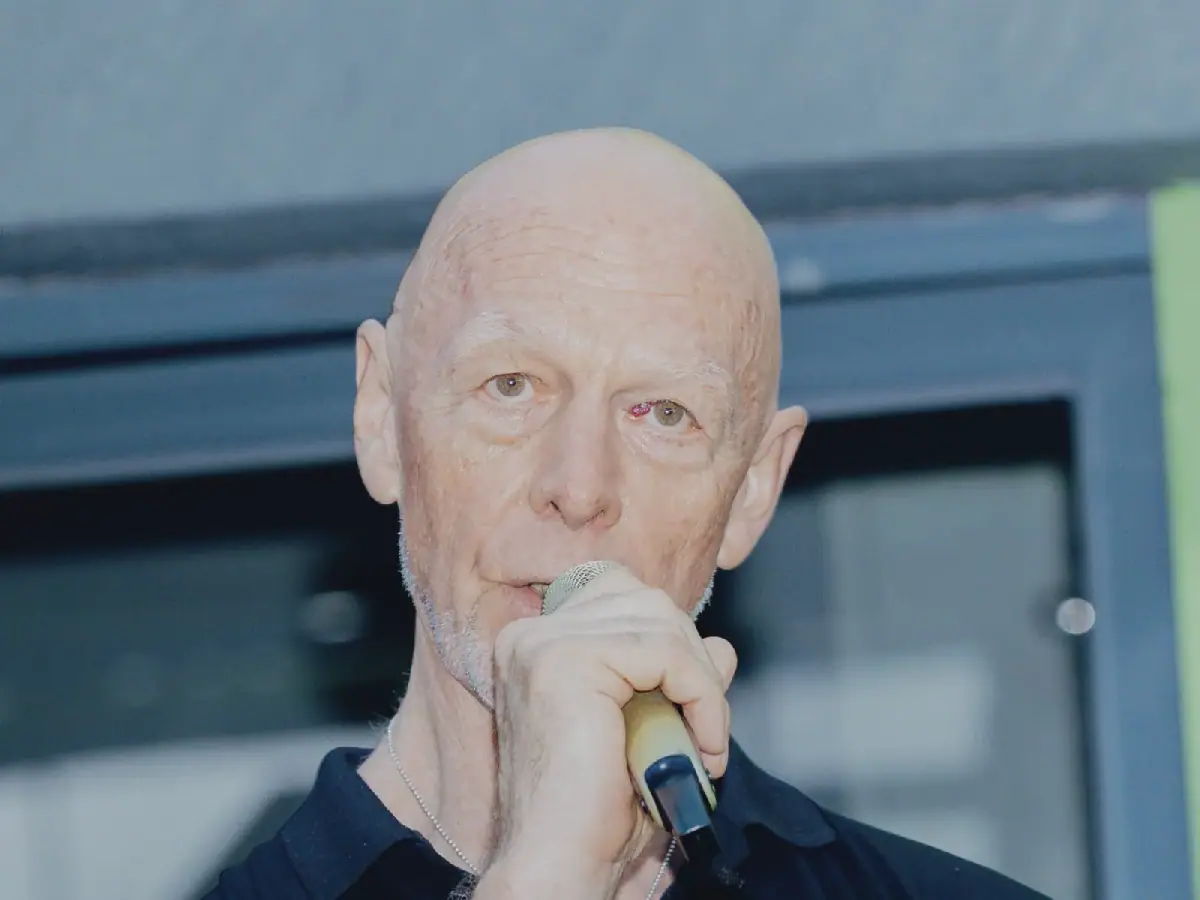
Ole Haugum, a Norwegian entrepreneur with over 40 years of experience in sports science, fitness training, and elite coaching, has successfully expanded his fitness business, Fitness Point, to four locations in Kigali, Rwanda. Haugum's journey in Rwanda began in 2018 when he visited the country to explore its gym industry. He was convinced to stay and establish his business after seeing room for improvement in the local market. His company offers various facilities, including swimming pools, saunas, basketball courts, spinning, and aerobics classes.
Haugum's passion for health and fitness started when he was a teenager and competed at a high level, qualifying for the Olympic Games. He later pursued further studies in the United States, earning degrees, including a master's degree in sports science. Haugum coached athletes who became world champions and worked with ordinary people seeking to improve their health, lose weight, or become more physically active. His involvement in the gym business dates back to 1989 when he established his first gym in the United States.
The cold Norwegian climate led Haugum to consider relocating to a warmer country, and a friend suggested Africa. After visiting Rwanda in 2018, he decided to relocate in 2019 and lay the foundation for Fitness Point. Haugum described the gym business in Rwanda as being in its beginning stages, similar to Europe and the US 20 or 30 years ago. He believes the industry still has considerable room for growth. Fitness Point has helped introduce a different level of gym facilities and activities to the local market, attracting interest from individuals and companies.
Haugum wants to change how people understand physical fitness, particularly the belief that exercise is mainly for young people or those seeking muscular bodies. At nearly 70, he considers himself an example of why age should not prevent people from exercising. Haugum said people in their 50s, 60s, and 70s can benefit significantly from gym activities, improving their strength, mobility, and ability to manage everyday tasks. He also challenged common misconceptions about women who lift weights and the frequency of gym visits required to see results.
Haugum emphasized the importance of proper guidance and realistic expectations in achieving fitness goals. He advised people to start with smaller, achievable goals, gradually build consistency, and seek guidance from experienced trainers. Haugum also highlighted the need for fitness programs to account for age, health conditions, and personal preferences. He cited the example of people who spend an hour running on a treadmill every day without incorporating other forms of exercise, noting that the right program depends on what an individual wants to achieve.
Haugum questioned the growing influence of social media images that present fitness as the pursuit of a perfect body. He argued that people can be healthy without looking like fitness influencers, and that the real measure of success should be improved health and the ability to function better in everyday life. Haugum also emphasized the importance of maintaining balance rather than making extreme lifestyle changes that are difficult to sustain. He highlighted the mental health benefits of exercise, drawing on his background in psychology.
Running Fitness Point has brought various challenges, including managing a workforce of approximately 80 to 100 people and importing gym equipment into Rwanda. As a landlocked country, Rwanda presents additional logistical costs, while taxes and transportation expenses add to the challenges. Despite these obstacles, Haugum's business has grown, and he takes satisfaction in seeing people transform their lives through exercise, citing examples of clients who have experienced significant improvements in their health and well-being.
Key points
- Ole Haugum's Fitness Point has introduced a new level of gym facilities and services to the Rwandan market, targeting corporate clients and individuals seeking structured fitness programs.