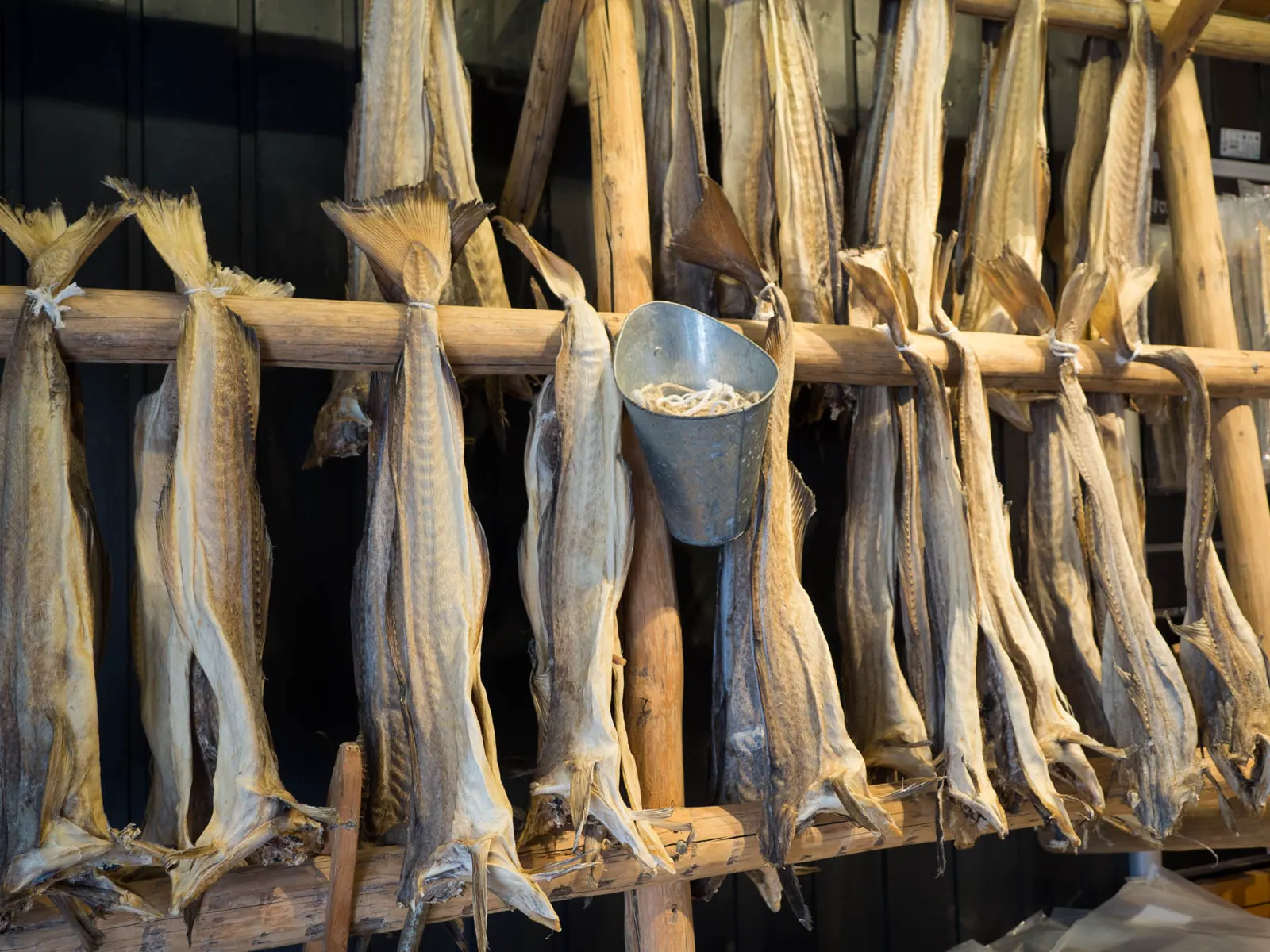
Norway and Nigeria have initiated a partnership to remove barriers limiting Nigerian fish and aquaculture products from accessing international markets. The collaboration was unveiled at an interactive seminar on stockfish, seafood, and aquaculture organized for stakeholders in Nigeria. The meeting brought together Norwegian seafood exporters, Nigerian importers, fish farmers, fisheries consultants, regulators, and government agency representatives. The partnership aims to strengthen the long-standing stockfish trade between both countries while expanding cooperation into aquaculture and knowledge exchange.
The Norwegian Ambassador to Nigeria, Mr. Svein Baera, stated that the initiative was designed to build on the existing relationship between both countries, including cooperation in the oil and gas sector. Baera noted that Norway and Nigeria have common interests in developing fish farming and that Norway is prepared to share its experience in aquaculture to help Nigeria build an industry capable of improving food security, creating employment, and contributing to economic growth. He emphasized that the partnership would help Nigerian practitioners increase production, improve income, and create more jobs.
Mr. Jonny Haaberg, Director for Africa and Middle East at the Norwegian Seafood Council, highlighted that Nigeria remains an important market for Norwegian stockfish and other seafood products. Haaberg noted that the long-standing trade had created strong commercial and cultural links between both countries and that Norway recognizes Nigeria's need to increase domestic seafood production through aquaculture. He stated that Norway has accumulated considerable knowledge from decades of developing its aquaculture industry and is willing to share that expertise with Nigeria.
Mr. Ole Olsen, Chief Executive Officer of SUFI Premium Seafood, a Norwegian stockfish exporter, disclosed that his company exports between 50 million and 100 million Norwegian kroner worth of products to Nigeria annually, equivalent to about $5 million to $10 million. Olsen noted that Nigeria and Italy are traditionally major markets for Norwegian stockfish and that some products exported to Nigeria are particularly popular among Nigerian consumers. He expressed optimism that stabilizing raw-material supplies and the naira would help prevent further significant increases in prices.
The seminar also focused on Nigeria's ambition to gain access to international markets for locally produced fish. Ms. Abiodun Oritsejemine Cheke, Fisheries Consultant to the Norwegian Seafood Council in Nigeria and coordinator of the seminar, stated that the meeting aimed to support the development of Nigeria's aquaculture sector and improve access to international markets for Nigerian fish products. Cheke noted that Norway had previously supported training for Nigerian government regulatory authorities and aquaculture practitioners.
Cheke emphasized that improved compliance, fish-health management, and sustainable production would be critical to winning greater acceptance for Nigerian fish products internationally. She stated that representatives of WorldFish, fisheries authorities, and the Nigeria Customs Service were involved in providing information on regulatory requirements governing seafood imports and exports. Cheke added that opening international markets to Nigerian aquaculture products could stimulate investment in fish farming and processing, create jobs, and increase government revenue from legitimate trade.
The emerging partnership offers an opportunity for Nigeria to move beyond being a major destination for imported stockfish and build an aquaculture industry capable of producing, processing, and exporting fish to international markets. The seminar featured presentations on new seafood products and opportunities for diversifying the Nigerian market, including products made from cod by-products. The development of the sector could also increase its contribution to Nigeria's Gross Domestic Product.
Key points
- Norway and Nigeria are partnering to boost aquaculture and unlock global markets for Nigerian fish products.
- The partnership aims to strengthen the long-standing stockfish trade between both countries while expanding cooperation into aquaculture and knowledge exchange.
- Improved compliance, fish-health management, and sustainable production will be critical to winning greater acceptance for Nigerian fish products internationally.