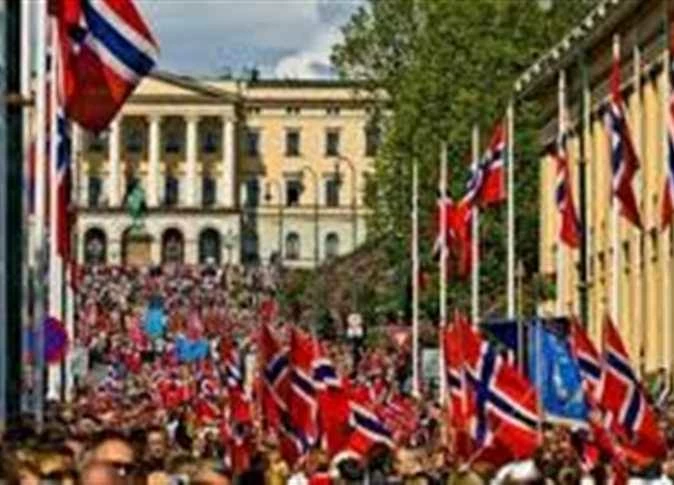
Norway, a country located in the northern part of the European continent in Scandinavia, has a unique geography. The country is described as a narrow strip of mountain ranges and highlands that overlook the Atlantic Ocean, with numerous fjords that extend deep into the Norwegian land. This geographical feature has played a significant role in shaping the country's history and culture. According to a 2002 United Nations report, Norway ranked first in the world in terms of standard of living, followed closely by the United States.
The history of Norway dates back to the second century BC when it was inhabited by Viking tribes. In 872, King Harald Fairhair united the country after defeating local chieftains. However, this unity was short-lived, and the country fragmented into smaller kingdoms. Between 1015 and 1030, Norway was unified under a single ruler, and Christianity was introduced. For centuries, Norway was linked to Denmark, and later, under the Treaty of Kiel in 1814, it was ceded to Sweden.
On September 24, 1905, Norwegians voted overwhelmingly in favor of dissolving the union with Sweden, marking a significant milestone in the country's struggle for independence. The vote was a culmination of years of negotiations and tensions between Norway and Sweden. The Norwegian people chose Prince Carl of Denmark, who became King Haakon VII, as their monarch. The Swedish government eventually recognized Norway's independence, and the two countries established diplomatic relations.
The road to independence was not without its challenges. Norway had to navigate complex international relations, including its ties with Sweden and Denmark. The country's strategic location in Scandinavia made it a crucial player in regional politics. Norway's independence movement was driven by a desire for self-governance and control over its own affairs. The country's rich natural resources, including its vast coastline and fisheries, also played a significant role in its economic development.
Today, Norway is a thriving democracy and a major player in international affairs. The country is known for its stunning natural beauty, vibrant culture, and high standard of living. Norway's independence from Sweden marked a significant turning point in its history, enabling the country to chart its own course and develop its unique identity. The country's capital, Oslo, is a popular tourist destination, and its rich cultural heritage is celebrated around the world.
Norway's independence has also had a lasting impact on its economy. The country has developed a robust economy, driven by its oil and gas industry, as well as its rich fisheries and forestry sectors. Norway is also a significant player in international trade, with a strong focus on exporting goods and services. The country's commitment to sustainable development and environmental protection has earned it a reputation as a leader in these areas.
As Norway celebrates 121 years of independence, it looks back on a rich history and a bright future. The country's unique culture, stunning natural beauty, and strong economy make it a popular destination for tourists and a respected player in international affairs. With its strong tradition of democracy and self-governance, Norway continues to be a beacon of hope and stability in an increasingly complex world.
Key points
- Norway gained independence from Sweden on September 24, 1905, after a long struggle for self-governance.