The proposed $500 million additional financing for the Agro-Climatic Resilience in Semi-Arid Landscapes (ACReSAL) project has garnered widespread support from stakeholders across northern Nigeria. According to the Think Nigeria First Initiative (TNFI), governors, traditional rulers, farmers, herders, and women's groups have expressed their backing for the next phase of the project due to the tangible results achieved in their communities. The project's impact has been evident in various states, with stakeholders witnessing firsthand the positive changes it has brought.
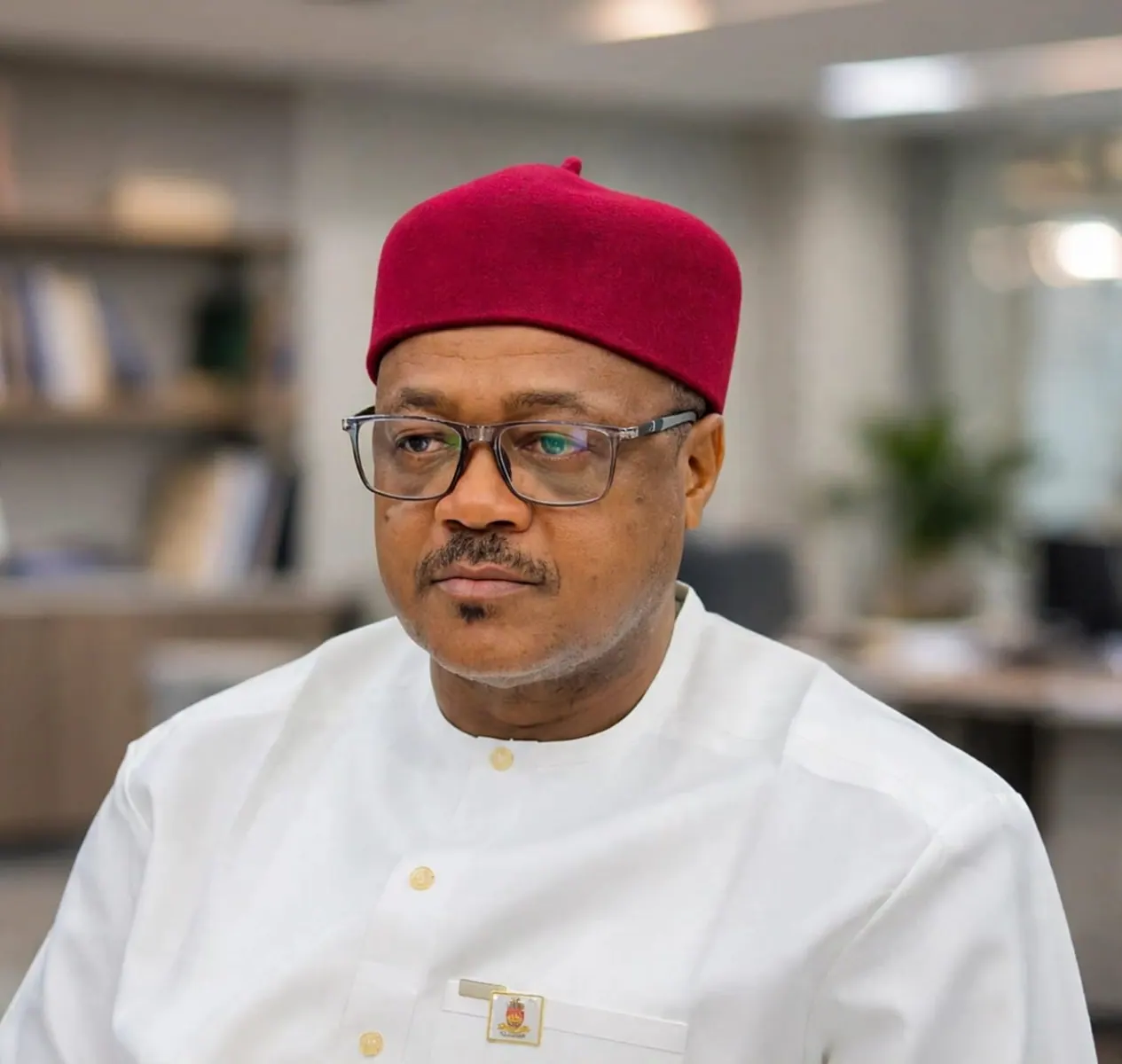
The Director General of TNFI, Alhaji Abubakar Tsanni, highlighted the involvement of several governors in the project, including those of Bauchi, Borno, Gombe, Kebbi, Kaduna, Jigawa, Benue, and Plateau States. These governors have personally inaugurated, inspected, or flagged off ACReSAL interventions in their respective states. Notably, Bauchi State has publicly committed its counterpart funding to the proposed next phase of the project. This level of commitment from state governments demonstrates their confidence in the project's potential to drive sustainable development.
Traditional institutions have also played a crucial role in supporting the ACReSAL project. The palaces of the Shehu of Borno, Emir of Argungu, and Emir of Zazzau have been actively involved in the project, working hand-in-hand with project implementers. In Wurno, a farmer with 27 years of experience on the irrigation scheme has expressed renewed hope due to the project's interventions. Similarly, in Nguru, herders and fishermen have returned to a wetland that had been dry for 12 years, attesting to the project's positive impact on livelihoods.
The ACReSAL project has made significant strides in benefiting various groups, including women and youth. According to Tsanni, women account for 47 per cent of the project's 4.4 million direct beneficiaries. Additionally, university students in Kogi, Kebbi, and Plateau States are being trained in modern greenhouse farming on their campuses. This focus on inclusivity and capacity building has contributed to the project's growing popularity among stakeholders.
The Federal Government has also demonstrated its commitment to the project, with the Federal Ministers of Environment, Water Resources, and Agriculture jointly participating in the project's mid-term review in Kaduna. This high-level engagement underscores the government's recognition of the project's importance in addressing climate-related challenges in semi-arid landscapes. Furthermore, participating states have released N22 billion in counterpart funding, demonstrating their commitment to the project's sustainability.
To ensure the long-term sustainability of the project's assets, some states have taken proactive steps. Benue and Nasarawa States have established state agencies dedicated to managing and maintaining the project's assets. Moreover, the $9.5 million Community Revolving Fund disbursed to 381 communities has been repaid and re-lent, demonstrating the project's potential for self-reliance and continuity.
The TNFI Director General, Alhaji Abubakar Tsanni, has urged stakeholders to publicly express their support for the project and called on the Federal Government and the World Bank to conclude the financing arrangement without further delay. He emphasized that stakeholders are not seeking charity but rather sustainable financing built around continuity, shared responsibility, and self-reliance. With the project's success, stakeholders are hopeful that it will serve as a model for addressing climate-related challenges in semi-arid landscapes across Nigeria.
Key points
- The ACReSAL project has 4.4 million direct beneficiaries, with women accounting for 47 per cent of this number.
- Participating states have released N22 billion in counterpart funding to support the project.
- The project has established state agencies in Benue and Nasarawa States to ensure the sustainability of its assets.