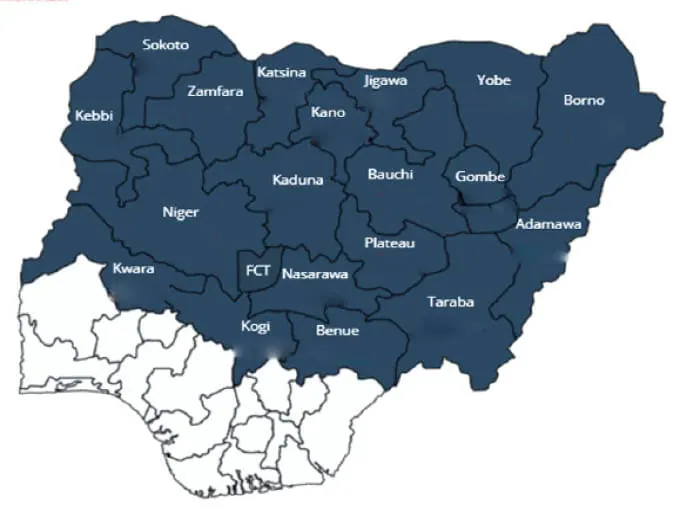
A recent report by the International Organization for Migration (IOM) has revealed that 620,000 people have been displaced in Nigeria's North-West region alone due to persistent violent attacks. This paints a grim picture of the prevailing insecurity across the region and northern Nigeria. The displacement has resulted in the loss of livelihoods, property, and dislocation of entire communities.
The victims of banditry, terrorism, and other violent crimes are in a state of hopelessness and helplessness, with their dignity severely compromised. Homelessness, hunger, and uncertainty have become defining features of their existence. Many continue to live in anguish, uncertain about when or if they will ever return home. The situation is further complicated by the lack of coordinated and sustainable support programmes for the displaced.
Despite the escalation of violence and destruction of settlements, farmlands, and markets, there is still no adequate social services for internally displaced persons (IDPs). The glaring absence of support reinforces the perception that the government is paying insufficient attention to victims of crimes against the people. The approach of governments at all levels to the plight of displaced persons remains fragmented rather than coordinated.
A robust Victim Support Programme (VSP) with clearly defined responsibilities and sustainable funding should be developed to address the immediate needs of displaced persons. This programme should facilitate the recovery and resuscitation of communities ravaged by violence. A comprehensive census of victims should be undertaken to establish their numbers, locations, and specific needs.
The National Emergency Management Agency (NEMA) and other relevant government agencies should ensure the consistent delivery of adequate assistance to displaced persons. Their interventions should go beyond temporary emergency relief to institutionalize sustainable systems for the provision of shelter, food, healthcare, education, and livelihood support.
National and international non-governmental organizations, including the IOM, Red Cross, and donor agencies, should continually review and strengthen their interventions. They should ensure that relief reaches those who need it most, while working with government agencies towards durable solutions rather than indefinite dependence on emergency assistance.
The neglect of victims of violence is a disturbing manifestation of the failure to adequately respond to the suffering of citizens whose dignity has already been severely compromised. The Federal Government is urged to urgently review its approach to victim support and establish a more coordinated framework involving the federal, state, and local governments, as well as humanitarian organizations.
Key points
- 620,000 people displaced in Nigeria's North-West region due to violent attacks
- Lack of coordinated and sustainable support programmes for internally displaced persons
- Urgent need for effective government action to address the plight of displaced persons