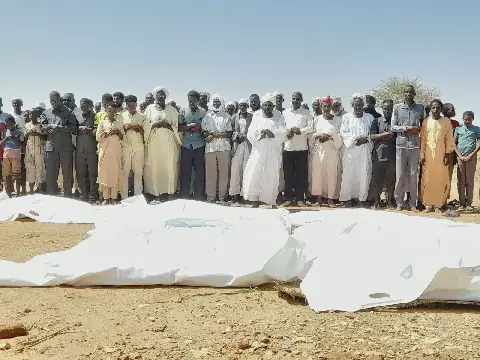
Residents of Bronkhorstspruit, a small town in South Africa, are facing a severe public health crisis due to contaminated river water and failures in the municipal wastewater treatment system. The crisis has led to over 800 people falling sick from acute gastro-intestinal illness. The town's water treatment works, which draws water from the polluted Bronkhorstspruit River, supplied water without chlorination for three weeks, from 24 September to 14 October, exacerbating the situation.
The lack of chlorination in the water treatment process has been identified as a major contributor to the crisis. Without chlorine, the water was not disinfected before entering the distribution system, posing a significant risk to residents. The City of Tshwane has been criticized for failing to warn residents that the water was unsafe, despite prior warnings from the department of water and sanitation (DWS). In February, the DWS issued the city with a letter of non-compliance over the treatment works.
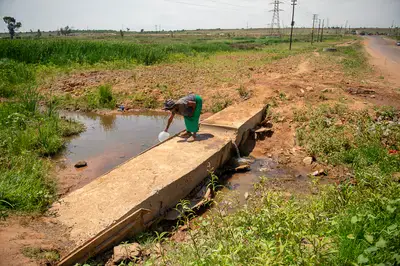
Residents have been forced to seek alternative sources of water, including the polluted Bronkhorstspruit River. 16-year-old Kwanele Kabini and her mother, Anna, are among those who have turned to the river for water. They boil the water before drinking it, but both have reported experiencing sore stomachs. The situation has highlighted the consequences of broken wastewater infrastructure and the need for urgent intervention.
The crisis has compounded daily hardships in the community, where residents describe unemployment, unreliable basic services, and homes flooded by rain and sewage. Thobile Ntombeni, a resident of Zithobeni, says she fell ill about two weeks ago with vomiting and diarrhoea. She is still experiencing symptoms and has expressed concerns about the safety of the water supply.
The water contamination crisis has also had a significant impact on local families. Phumzile Mahlangu, an unemployed mother-of-three, had little choice but to buy water for her family. Her infant daughter, Nqobile, developed diarrhoea and vomiting after drinking the contaminated water. Mahlangu rushed her baby to a clinic, where she was told she had lost weight. The incident has deepened residents' frustration with the lack of progress in their community.
The City of Tshwane has taken steps to address the crisis, including suspending tanker-filling operations at a Cullinan hydrant after elevated turbidity was detected. Rand Water and its water and sanitation business unit are continuing to rehabilitate the plant. Cleaning of the larger reservoir has been completed, work on the smaller reservoir continues, and preparations for the filtration system are about 90% complete.
Despite these efforts, residents remain skeptical about the safety of the water supply. Ferrial Adam from WaterCAN argues that the failure was not simply an infrastructure problem, but also a failure to act timeously when water was found to be unsafe. For Kwanele and her mother, the immediate problem remains finding enough water to drink and cook with. Until safe water reaches their taps or a tanker arrives, they are left weighing the risks of drinking from a polluted river against the cost of going without.
Key points
- Over 800 people in Bronkhorstspruit have fallen sick from acute gastro-intestinal illness due to contaminated water supply.