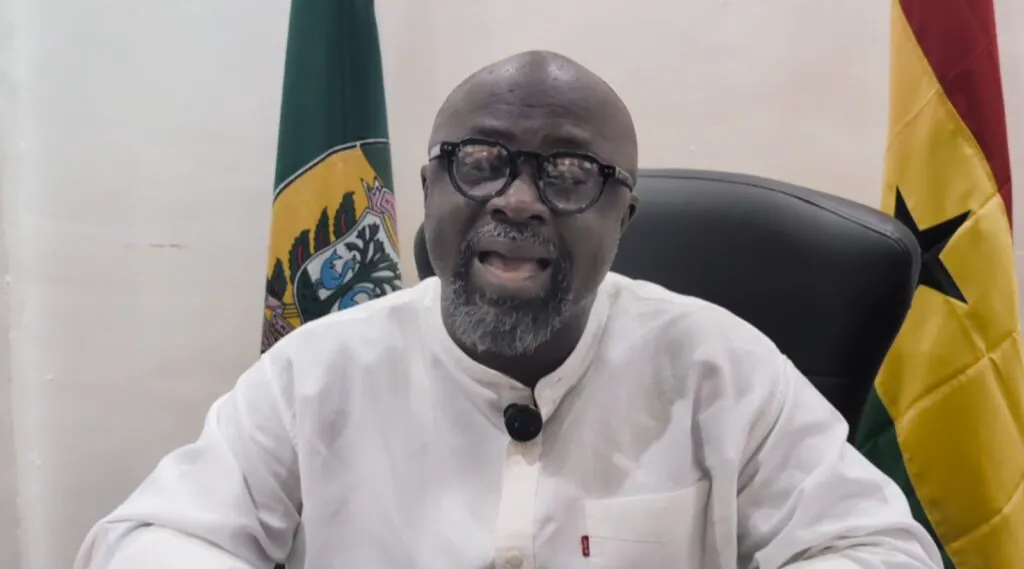
The Chief Executive of the Kumasi Metropolitan Assembly (KMA), Richard Ofori Agyemang Boadi, has acknowledged that most public infrastructure in Kumasi, including his own office, lacks disability access. He attributed the challenge to the age of the buildings, which were constructed before Ghana's Disability Act was passed. Boadi stated that these old institutional structures were not designed with accessibility in mind, making it difficult to modify them.
Despite the challenges posed by old buildings, Boadi emphasized that the KMA will prioritize accessibility for persons with disabilities (PWDs) in future infrastructure development or redevelopment projects. He highlighted that since assuming office, he has ensured strict enforcement of accessibility requirements stipulated in the Persons with Disability Act, 2006 (Act 715), for all new developments within the metropolis. This move aims to promote disability inclusion and enable PWDs to participate fully in the social and economic life of Kumasi.
Boadi explained that the KMA now requires building permit proposals to include ramps and channels that ensure accessibility for PWDs before approving them. This requirement applies to public buildings, and the Assembly is committed to making public spaces more inclusive. He disclosed that 18 projects have been captured in the KMA's 2027 development plan to achieve this goal, including the renovation of parks and community centers across the metropolis.
The renovation projects will involve demolishing and reconstructing stages to incorporate ramps and accessible facilities, enabling talented PWDs to access platforms, showcase their talents, and earn a living. One notable project is the renovation of the Prempeh Assembly Hall, which is not currently disability-friendly. Boadi assured that its renovation has been captured in the budget and will be made accessible to PWDs.
The KMA's efforts to promote disability inclusion are part of a broader commitment to ensuring that PWDs participate fully in the social and economic life of Kumasi. Boadi's administration has taken steps to empower PWDs, including providing skills training and support. The Assembly has also issued an eviction notice to occupants of Abrepo Junction ahead of an interchange project, demonstrating its efforts to balance development with social responsibility.
According to Boadi, the KMA has made significant progress in promoting disability inclusion, but more work remains to be done. He emphasized that the Assembly will continue to prioritize accessibility in its development plans and ensure that PWDs have equal opportunities to participate in the social and economic life of Kumasi. The KMA's commitment to disability inclusion is reflected in its 2027 development plan, which includes several projects aimed at making public spaces more accessible.
The KMA's initiative has been welcomed by stakeholders, who see it as a step towards creating a more inclusive and equitable society. By prioritizing accessibility and disability inclusion, the KMA aims to promote social cohesion and empower PWDs to contribute to the economic growth and development of Kumasi. The Assembly's efforts are expected to have a positive impact on the lives of PWDs in Kumasi and serve as a model for other municipalities in Ghana.
Key points
- The KMA will not issue building permits to public buildings that lack disability access.
- The KMA has captured 18 projects in its 2027 development plan to make public spaces more inclusive.
- The renovation of public spaces will involve incorporating ramps and accessible facilities to enable PWDs to participate fully.