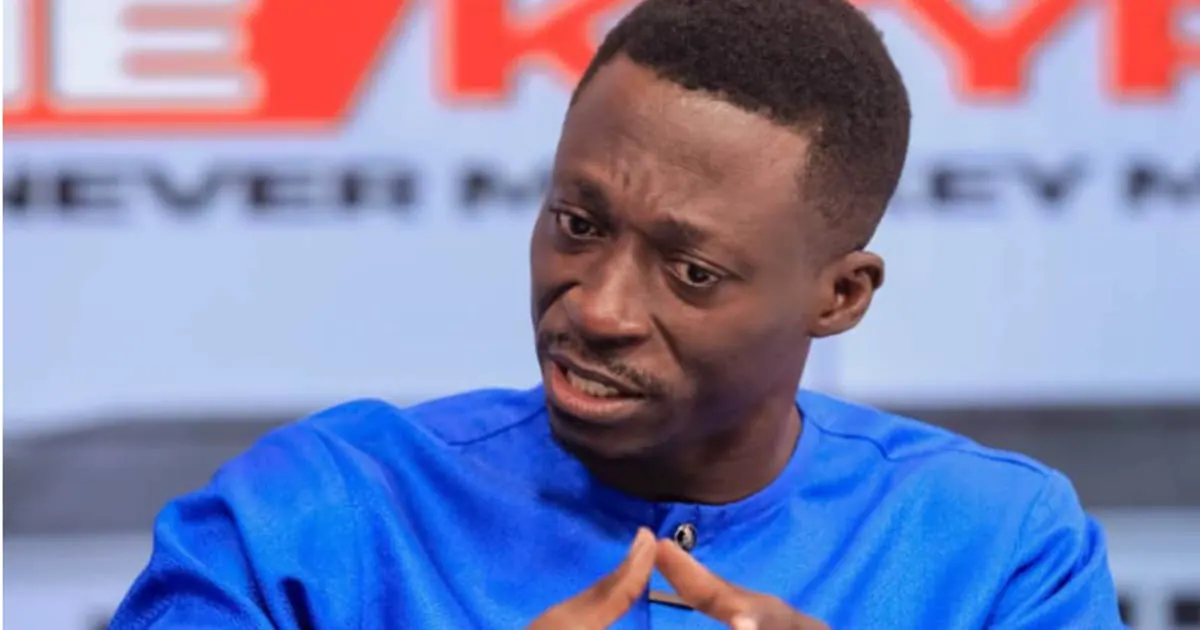
Private legal practitioner and public affairs commentator Austin Kwabena Brako-Powers has questioned claims that a 2018 Cabinet decision caused the recent spike in drug trafficking in Ghana. He stated on TV3's Big Issues that there was a need for evidence showing the decision led to the increase in narcotics trafficking. Brako-Powers warned that political interpretations could distract from the wider weaknesses in Ghana's anti-drug enforcement system. His comments come amid renewed scrutiny of Ghana's port security following a recent seizure of nearly 3.9 tonnes of suspected cocaine by French customs authorities.
The 2018 reforms were introduced to address delays at Ghana's ports caused by the involvement of over 20 state agencies in container inspections. The changes aimed to streamline the process, but Brako-Powers argued that there was no data proving the decision was responsible for the recent increase in drug trafficking. He emphasized the need for evidence-based discussions rather than partisan interpretations of the policy. Brako-Powers also pointed to reports that the containers involved in the French seizure had been scanned in Ghana and flagged as abnormal before being cleared.
Four Ghanaians have been remanded over the alleged exportation of the suspected cocaine, while another suspect is reportedly at large. A charge sheet alleges that the containers were allowed to leave the port despite being flagged as abnormal. Brako-Powers questioned what happened after the irregularities were detected and whether the failure lay in the number of officials conducting inspections or in the procedures for escalating intelligence and suspicious findings.
Brako-Powers described the drug trafficking problem as a supply chain issue, requiring a comprehensive response that covers intelligence gathering, detection, investigation, financial investigations, prosecution, specialised adjudication, and asset recovery. He argued that Ghana's response needed to address the entire chain rather than focusing solely on one aspect. His comments come as the Narcotics Control Commission announced the creation of a dedicated High Court to handle narcotics cases.
The Narcotics Control Commission's move aims to address challenges associated with cases being distributed across different courts. However, Brako-Powers questioned whether a specialised court alone would significantly improve Ghana's ability to combat trafficking if weaknesses remained in intelligence, border controls, port security, and prosecution. He emphasized the need for a more comprehensive approach to addressing the problem.
Brako-Powers called for the investigation to extend beyond frontline or lower-level officials to determine who designed, implemented, and supervised the systems through which the consignments passed. He suggested that officials high up should be dismissed, not just menial officers. The current cases remain under investigation, and allegations against those before the courts have not been established.
The issue has sparked renewed debate about Ghana's port security and anti-drug enforcement system. Brako-Powers' comments highlight the need for evidence-based discussions and a comprehensive approach to addressing the problem. The government's response to the issue will be closely watched as the country seeks to strengthen its anti-drug enforcement system and prevent similar incidents in the future.
Key points
- Austin Kwabena Brako-Powers questions claims linking 2018 Cabinet decision to recent increase in narcotics trafficking in Ghana.
- The 2018 reforms aimed to streamline container inspections at Ghana's ports but have been linked to the recent spike in drug trafficking.
- Brako-Powers calls for a comprehensive approach to addressing the drug trafficking problem, including intelligence gathering, detection, investigation, and prosecution.