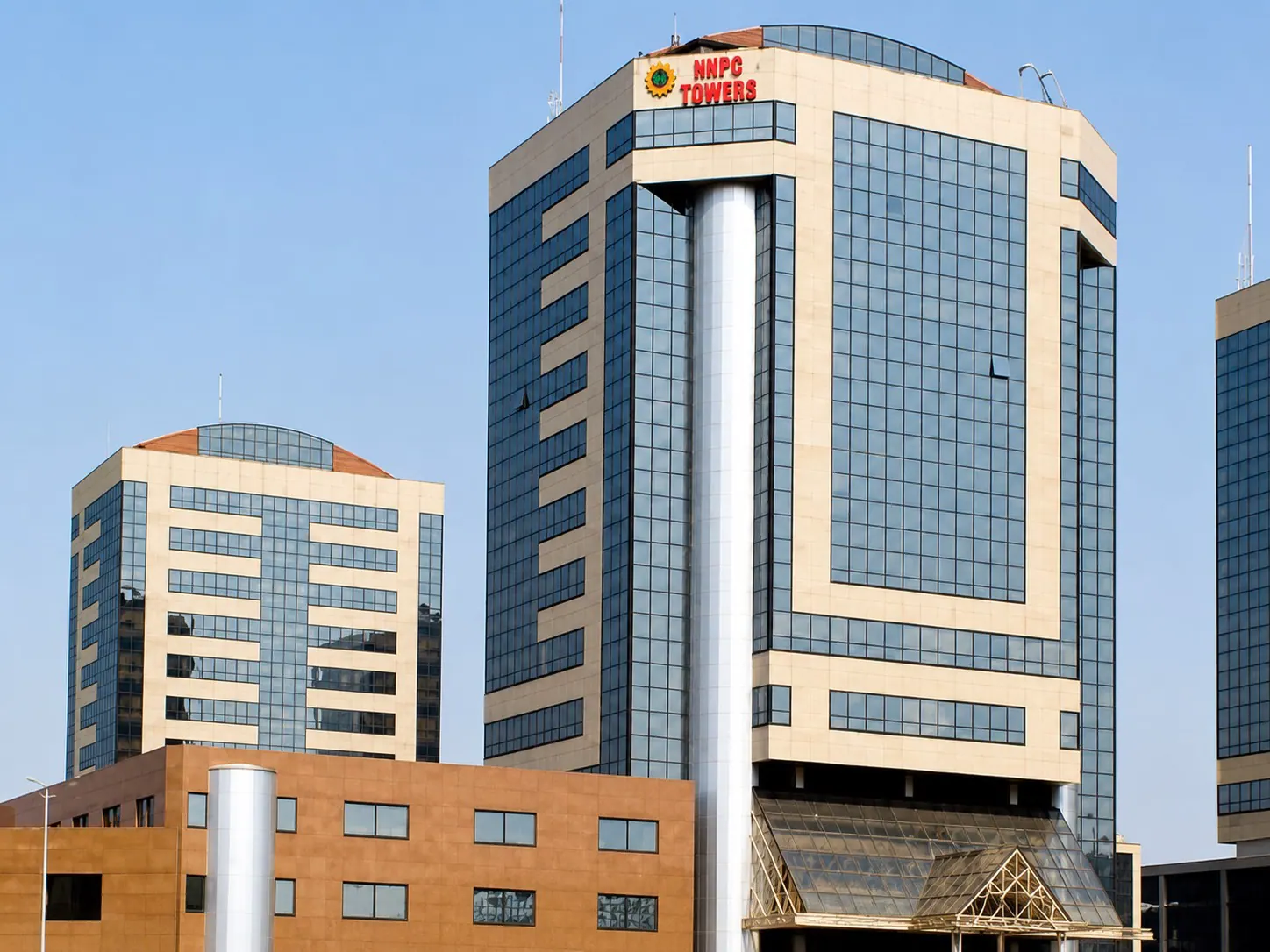
The Nigerian National Petroleum Company Limited (NNPCL) has agreed to waive its retail profit margin on petrol for the next 30 days. This move is part of the Federal Government's efforts to cushion Nigerians from the impact of surging global crude oil and petrol prices. NNPC Retail will sell petrol at cost during this period, benefiting vulnerable households and commercial transport operators. The intervention is backed by President Bola Tinubu and aims to provide immediate relief from rising fuel prices.
The Special Adviser to the President on Information and Strategy, Bayo Onanuga, disclosed the measure in a statement issued on Thursday. The Minister of Finance and Coordinating Minister of the Economy, Taiwo Oyedele, had briefed the presidency on the matter. According to the statement, NNPC Retail already sells petrol at the lowest price in the market but has now agreed to forgo its retail profit margin for 30 days. This means that if NNPC's landing cost is N1,300 per litre, the company will sell petrol to Nigerians at N1,300 rather than adding a retail profit margin.
The Federal Government is also negotiating a ceiling of N1,350 per litre on the ex-gantry or landing cost of petrol. This proposed ceiling aims to prevent pump prices from responding sharply to every movement in global crude oil prices and the exchange rate. Under the proposed arrangement, refiners and importers would carry the shortfall and recover it later when crude prices or exchange rates become favourable. Oyedele stressed that the intervention should not be interpreted as a return to the petrol subsidy regime, which was removed on May 29, 2023.
The government is working on forward sales of crude oil to domestic refineries to shield petrol prices from global market volatility. Increased crude production and the release of previously committed crude will provide additional supplies for domestic refiners. This measure is expected to strengthen domestic refining and reduce the exposure of local petrol prices to sudden international market movements. The government is also collaborating with states and security agencies to rein in the collection of road taxes and levies that contribute to higher transport and logistics costs.
The government is accelerating the rollout of compressed natural gas (CNG) in partnership with state governments. CNG is between 60 and 70 per cent cheaper than petrol, and transport operators are expected to pass the savings to passengers through lower fares. The government is also increasing funding for cash transfers to vulnerable households and providing subsidised credit for small businesses and consumers. These measures aim to provide targeted support to households and businesses facing pressure from rising fuel and transportation costs.
The Federal Government plans to consider an excess profit tax for operators that take undue advantage of consumers along the energy value chain. Proceeds from any tax imposed on price gouging will be used exclusively to cushion the impact of fuel prices through transport support or vouchers for urban minimum-wage earners. The government also plans to work with the National Assembly to consider enhanced tax relief for low-income earners under the 2027 Finance Bill.
The Federal Government has announced plans to establish a National Strategic Fuel Reserve as a buffer against future energy shocks. Refined petroleum products will be released into the market under clear and published rules whenever global disruptions or hoarding threaten supply and price stability. The Presidency stated that the reserve will not be a subsidy mechanism or a means of fixing prices but will instead help secure the country's energy supply.
Key points
- NNPC waives petrol profit margin for 30 days to cushion impact of rising fuel prices.
- FG proposes N1,350 per litre ceiling on petrol's landing cost to reduce price fluctuations.
- Government accelerates CNG rollout, increases funding for cash transfers, and provides subsidised credit to support households and businesses.