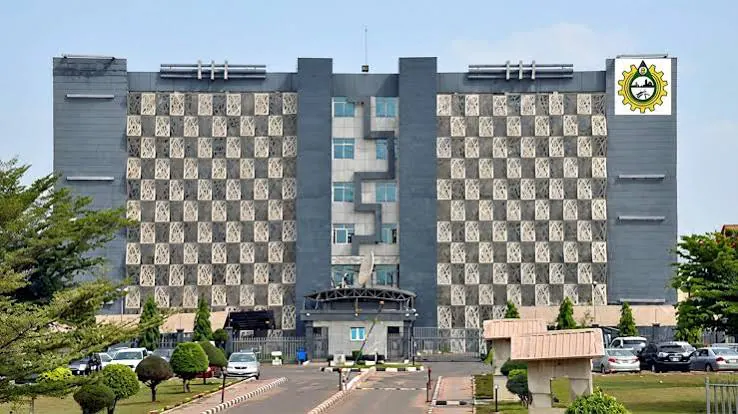
The Nigerian Midstream and Downstream Petroleum Regulatory Authority (NMDPRA) has approved new licences for the importation of 830,000 metric tonnes of Premium Motor Spirit (PMS) for the fourth quarter of 2026. This move is aimed at bolstering national supply channels and building a buffer ahead of the high-demand Christmas and New Year festive periods. The six marketers authorized to import the products are Matrix Energy, AA Rano, AYM Shafa, NIPCO, Pinnacle Oil, and Bono Energy.
According to industry reports, the approved volume perfectly matches the allocations previously made in June for the third quarter. These companies have remained the major beneficiaries of the regulator’s petrol import programme throughout 2026, with their combined allocation steadily rising from 180,000 metric tonnes in the first quarter. The NMDPRA's decision to issue fresh licences is also viewed as a strategic hedge against increasing strain and tightening supply in the international fuel market.
Despite the rising volume of import approvals, Nigeria’s actual reliance on foreign petrol has dropped significantly. Data from the NMDPRA indicates that domestic refineries covered over 76.7 percent of the country’s petrol needs earlier in the year, drastically slashing overall import figures. This development suggests that local refineries are increasingly playing a crucial role in meeting the country's fuel demands.
The latest round of approvals is poised to deepen the ongoing conflict between the NMDPRA and the Dangote Petroleum Refinery. The massive domestic refinery has consistently opposed the continued issuance of import licences to fuel marketers, arguing that the country’s local refining capacity is now more than sufficient. The Dangote refinery filed a suit at the Federal High Court in Lagos in May, seeking to nullify the import licences renewed or issued by the regulatory body.
The Dangote refinery’s management argued that authorizing fuel imports creates fundamental distortions in the downstream sector and undercuts local investments. The case is scheduled for further hearing on October 7, 2026. In late August, the Dangote refinery publicly blamed the regulator’s import permits for a sudden spike in petrol imports, warning that if the NMDPRA continues to flood the local market with foreign fuel, it would become commercially unsustainable to hold excess inventory.
Consequently, the refinery stated it would be forced to redirect its focus to exporting its petroleum products to international buyers. This development has significant implications for Nigeria's fuel market and the country's efforts to become a major player in the global refining industry. The conflict between the NMDPRA and the Dangote refinery highlights the complexities and challenges facing Nigeria's energy sector.
The NMDPRA's decision to grant fresh licences for petrol imports has sparked concerns about the long-term sustainability of Nigeria's fuel supply strategy. As the country continues to navigate the complexities of its energy sector, stakeholders are closely watching the developments in this dispute. The outcome of the court case and the NMDPRA's future decisions will likely have far-reaching consequences for Nigeria's fuel market and economy.
Key points
- The NMDPRA has approved licences for 830,000 metric tonnes of PMS import for Q4 2026.
- The licences were granted to six major retail companies, including Matrix Energy and AA Rano.
- The move has deepened the conflict between the NMDPRA and the Dangote Petroleum Refinery.