The Nigeria Labour Congress (NLC) has issued a two-week ultimatum to the federal government, demanding that petrol prices be reduced, the national minimum wage be renegotiated, and outstanding agreements with workers be implemented. This ultimatum, which begins immediately, was announced after a joint meeting of the NLC National Executive Council and Central Working Committee in Abuja. The labour centre specifically called for petrol prices to be lowered to match the level when the current national minimum wage was signed in 2019, citing the impact of high fuel costs on transportation and commodity prices.
The NLC demanded that negotiations for a new national minimum wage begin before the end of October, as the current wage has been eroded by naira depreciation and rising living costs. The labour centre also called for immediate tax relief for workers, payment of wage awards, and implementation of the 5 February 2020 settlement terms with the Joint Health Sector Unions and Assembly of Healthcare Professionals (JOHESU). Furthermore, the NLC insisted on the implementation of the outstanding demands of the Joint Public Sector Negotiating Council (JPSNC).
According to the NLC, the worsening economic situation has left workers and the wider population struggling to meet basic needs due to inflation, naira depreciation, and rising costs of essential goods. The labour centre accused the government of shifting the burden of its economic policies onto workers and other vulnerable Nigerians. The NLC emphasized that workers must remain organised and prepared to resist policies considered anti-worker and anti-people.
The NLC president, Comrade Joe Ajaero, signed a communiqué stating that the current national minimum wage has been rendered worthless by the naira's depreciation and the rising cost of living. The communiqué noted that Nigerian workers can no longer afford basic necessities like food, shelter, healthcare, transportation, and education on their current wages. The NLC demanded a living wage that reflects the true cost of living and the dignity of the Nigerian worker.
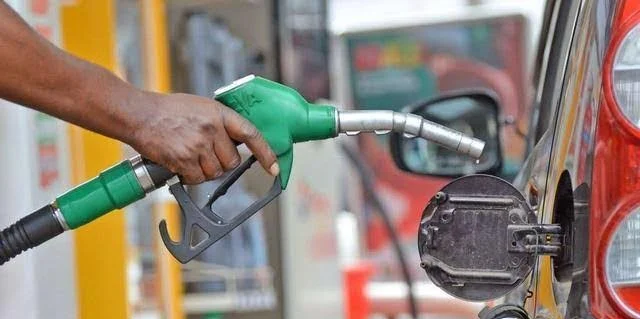
The labour centre reiterated its call for the federal government to reduce the price of Premium Motor Spirit (PMS), commonly known as petrol, citing its impact on transportation, food, and other essential goods. The NLC argued that the high pump price of petrol has deepened the hardship of workers and the masses. The communiqué emphasized the historical responsibility of the NLC to resist exploitation and oppression.
The NLC declared that failure by the government to meet the demands within the two-week period would compel it to take "remedial steps" as directed by its relevant organs. The labour centre called on all affiliates and progressive groups to be prepared to take action. The NLC's demands are aimed at addressing the economic challenges faced by workers and the wider population.
The ultimatum is a response to the growing economic hardship in Nigeria, where many workers and citizens are struggling to make ends meet. The NLC's actions are intended to pressure the government to take concrete steps to address the economic challenges facing the country. The government's response to the ultimatum will be closely watched by workers and citizens.
Key points
- The NLC has given the Nigerian government two weeks to reduce petrol prices and renegotiate the national minimum wage.
- The labour centre accused the government of shifting the burden of its economic policies onto workers and vulnerable Nigerians.
- Failure to meet the demands within the two-week period may lead to "remedial steps" by the NLC.