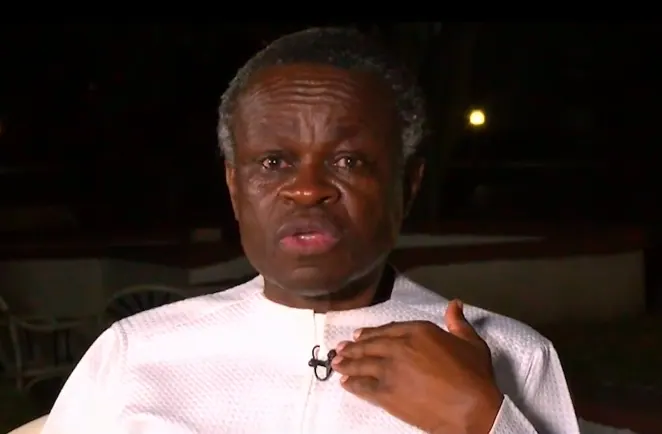
Renowned Pan-Africanist and Kenyan lawyer Prof Patrick Lumumba has described Ghana's first President, Dr Kwame Nkrumah, as a "lonely man". According to Prof Lumumba, Nkrumah's commitment to African unity exposed him to opposition both within Ghana and from foreign powers. He made these comments on Joy Prime on September 22. Nkrumah's vision extended beyond Ghana's immediate national interests, setting him apart from others who participated in the independence struggle.
Prof Lumumba said that while some focused primarily on Ghana, Nkrumah was concerned about the political and economic future of the entire African continent. This broader vision made Nkrumah vulnerable to criticism from those who questioned why Ghana's resources were being used to support other African countries. The challenge was compounded by the gap between Nkrumah's long-term Pan-African ambitions and the immediate economic and social needs of Ghanaians.
Prof Lumumba argued that Nkrumah's political opponents could exploit the impatience of Ghanaians by portraying his continental ambitions as a neglect of Ghana's interests. He noted that Nkrumah's outspoken stance against colonialism and neocolonialism made him a threat to foreign powers seeking to maintain influence over newly independent African states. Nkrumah sought to encourage Africans to scrutinise the motives of former colonial powers and other Western countries operating on the continent.
According to Prof Lumumba, Nkrumah believed foreign powers could present themselves as allies while pursuing their own interests. He cited Nkrumah's links with Congolese leader Patrice Lumumba, Guinean leaders Modibo Keïta, and Zimbabwean liberation leader Robert Mugabe as evidence of his determination to advance continental unity and resist neocolonialism. This international campaign, combined with domestic opposition, contributed to Nkrumah's political vulnerability.
Prof Lumumba further noted that Nkrumah's engagement with African leaders and liberation figures was a key aspect of his Pan-African campaign. He referenced Nkrumah's efforts to unite Africans against neocolonialism, which made him a sitting duck for his opponents. The combination of internal and external opposition made Nkrumah a lonely man, according to Prof Lumumba.
Prof Lumumba's comments highlight the complexities of Nkrumah's leadership and his vision for a united Africa. Nkrumah's policies and legacy continue to be relevant in contemporary Ghanaian politics. His commitment to African unity and dignity remains an important aspect of Ghana's national identity.
The views expressed by Prof Lumumba are significant, given the current debates about Ghana's role in African affairs. The conversation around Nkrumah's legacy and vision is ongoing, with many Ghanaians and Africans continuing to draw inspiration from his leadership and ideas. KEY_POINT: Nkrumah's Pan-African vision led to his isolation. KEY_POINT: Nkrumah faced opposition from within Ghana and from foreign powers. KEY_POINT: Nkrumah's legacy continues to be relevant in contemporary Ghanaian politics.