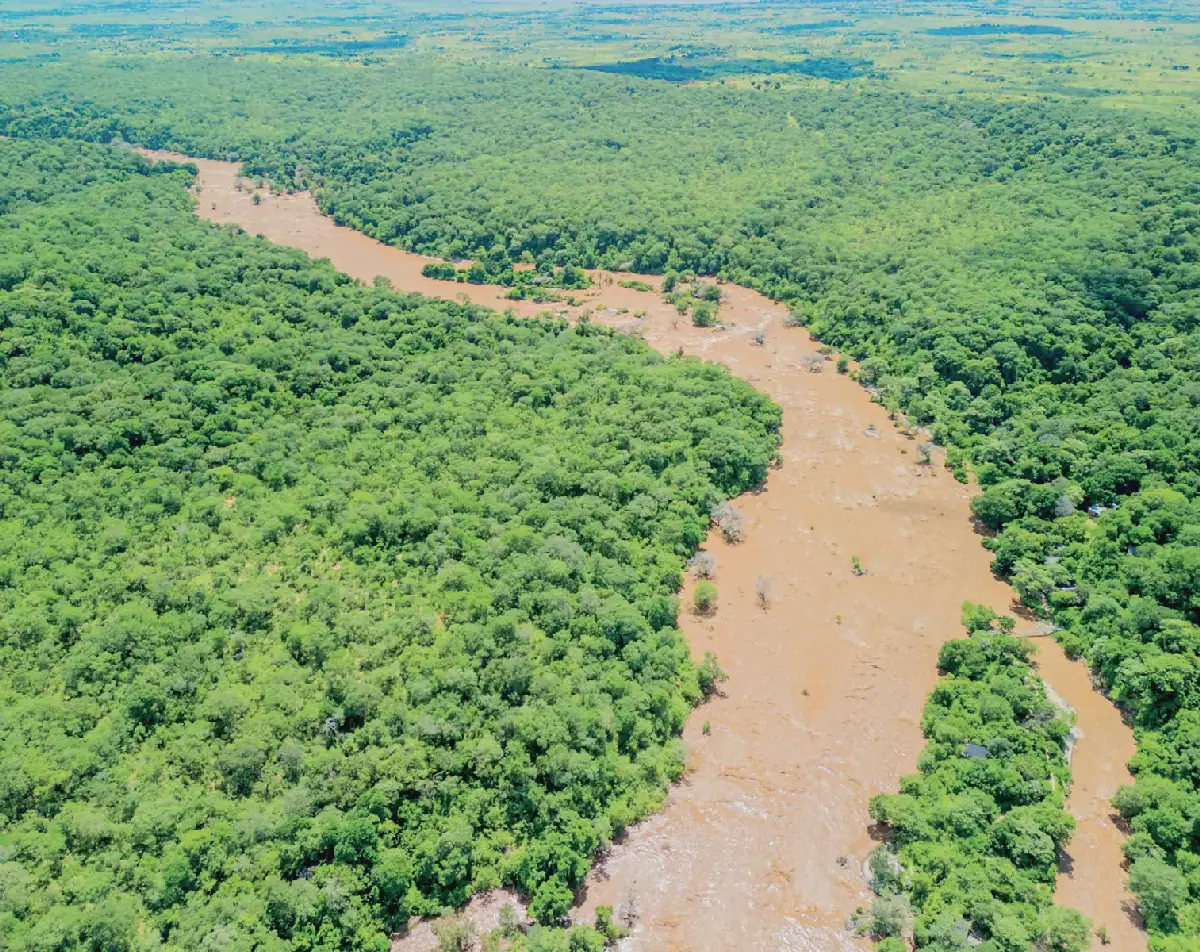
Nkhotakota District in Malawi is banking on tourism development to unlock investment and create jobs for its residents. The district, situated along Lake Malawi, boasts beaches, rivers, cultural heritage, and access to Nkhotakota Wildlife Reserve, making it a potential destination for both domestic and international tourists. Despite its abundant tourism resources, many young people in the district remain unemployed.
Resident Martha Mvula says that while the district has tourism potential, it is not translating into employment opportunities. She, along with many other young people who have completed school and college, remains jobless. Mvula believes that if more tourism-related businesses were established, they could work as guides, hotel attendants, drivers, and other service providers. This would help address the unemployment challenge in the district.
The Malawi 2063 vision recognises tourism as a sector with the potential to generate foreign exchange, create employment, and contribute to economic transformation. However, achieving this ambition requires deliberate investment in accommodation, infrastructure, marketing, skills development, and support for local enterprises. Young entrepreneur Zaithwa Kamwanja says the slow growth of the tourism industry is limiting opportunities for people with business ideas.
The Nkhotakota District Council is pursuing plans to transform the area into a tourism city by harnessing its natural, cultural, and historical attractions. As part of these efforts, the council undertook a learning visit to Ethiopia in 2024 to study tourism development models and explore strategies that could be adapted to Nkhotakota. Council spokesperson Wongani Mkandawire says the initiative reflects the council's determination to establish a vibrant tourism industry.
One of the practical steps towards achieving this ambition is the rehabilitation of Stima Inn, which the council intends to upgrade into a standard hotel. The project is being funded through the Governance to Enable Service Delivery (Gesd) programme and the Constituency Development Fund (CDF), with a combined investment of more than K700 million. This is expected to improve accommodation facilities and encourage tourists to spend more time in Nkhotakota.
Environmental expert Yassin Rasheed Malandula stresses that conservation should be central to Nkhotakota's tourism development agenda. He warns that uncontrolled tourism activities could destroy the natural resources upon which the industry depends. Malandula further emphasises that surrounding communities must participate in conservation initiatives because their livelihoods and the long-term sustainability of tourism depend on healthy ecosystems.
To create a more attractive tourism package, the district has an opportunity to combine lakeshore tourism with wildlife, cultural, and historical experiences. Young tourism enthusiast Gregory Thomas Chipwere says Nkhotakota should market its attractions as a connected destination rather than promoting them separately. This approach could increase demand for accommodation, restaurants, transport services, and local food suppliers, ultimately benefiting ordinary people.
Key points
- The Nkhotakota District Council has allocated funds to upgrade Stima Inn into a standard hotel to improve accommodation facilities.
- Conservation is crucial to Nkhotakota's tourism development agenda to prevent destruction of natural resources.
- The district aims to combine lakeshore tourism with wildlife, cultural, and historical experiences to create a more attractive tourism package.
Reporting sources
- Nkhotakota seeks tourism boom to unlock investment · The Daily Times