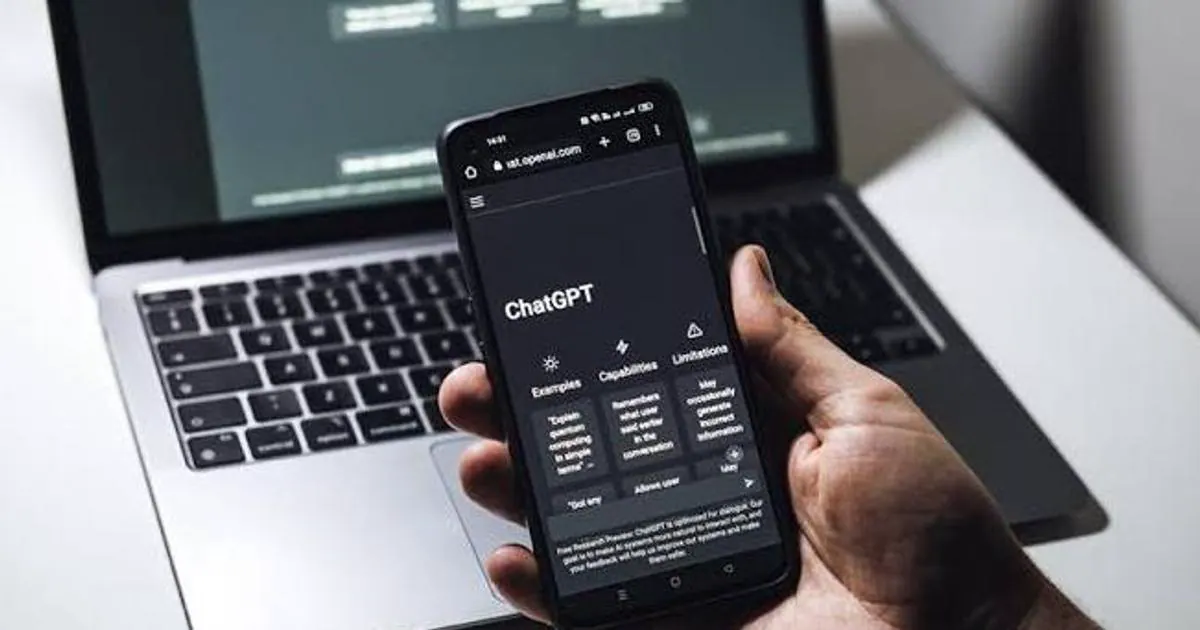
The National Information Technology Development Agency (NITDA) has issued a warning to Nigerians regarding the sharing of sensitive personal information with artificial intelligence (AI) platforms. These platforms, which include ChatGPT, Gemini, Claude, Copilot, and Meta AI, can analyze documents, rewrite messages, and answer questions in seconds. However, NITDA advises Nigerians to exercise caution when uploading personal information to these platforms.
According to NITDA, certain types of information should not be shared with AI tools, as these platforms may retain, log, or use the information to train models. If sensitive information is later exposed through a breach or unauthorized access, it could potentially contribute to identity theft, impersonation, or financial fraud. The agency has identified specific information that users should be cautious about uploading, including National Identification Numbers (NIN), Bank Verification Numbers (BVN), bank details, medical reports, and photographs.
NIN, BVN, and bank details are particularly sensitive, as they are tied to an individual's identity and financial information. Users should remove or anonymize personal information that an AI tool does not need to perform its task. For instance, if a user wants an AI to analyze a bank statement, they should remove their account number, name, and other identifying details first. This precaution can help prevent identity theft and financial fraud.
Medical reports and test results are also sensitive information that should be handled with care. These documents may contain personal details, such as names, dates of birth, hospitals, test results, medications, and information about medical conditions. If a user wants help understanding a medical report, they should remove identifying details and consult with a qualified professional. AI chatbots can provide general explanations, but they may not have the complete clinical picture and can produce inaccurate information.
Personal photographs can also pose risks, as they may contain information about the individual, their home, workplace, school, or location. Additionally, photographs may show other people without their consent, which can lead to non-consensual intimate imagery, defamatory depictions, cyberbullying, and exploitation. Users should consider whether uploading a photograph is necessary, especially if other people are visible in the image.
Furthermore, users should be cautious when sharing information about their family with AI tools. Sensitive information can be revealed while asking AI for help with a family problem. For example, a user may paste a message containing their partner's full name and phone number and ask the chatbot to rewrite it. To avoid this, users can remove identifying details and provide only necessary context to help the AI provide an accurate response.
Finally, NITDA advises users not to share confidential work documents with AI tools without checking whether their organization permits the use of that AI service. Work documents may contain customer information, financial records, internal plans, passwords, contracts, or other material that an employee is not authorized to share with an external service. By being selective with what information is shared with AI chatbots, users can minimize the risks associated with using these platforms.
Key points
- NITDA warns Nigerians to be cautious when sharing sensitive information with AI platforms.
- Certain types of information, such as NIN, BVN, bank details, medical reports, and photographs, should not be shared with AI tools.
- Users should remove or anonymize personal information that an AI tool does not need to perform its task.