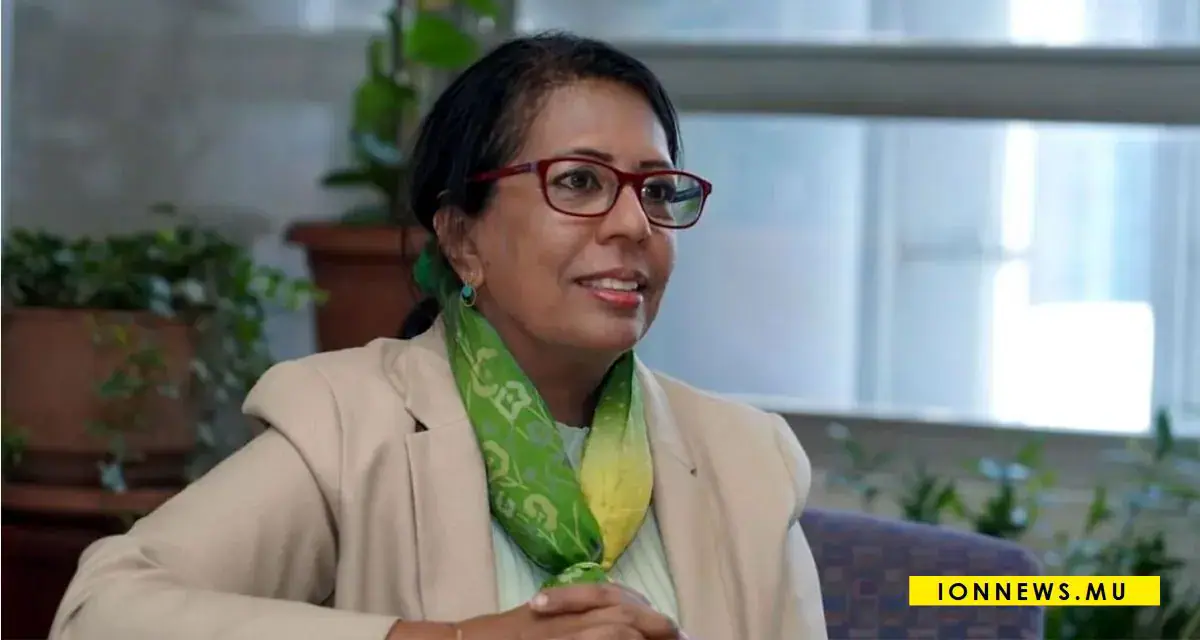
Nita Deerpalsing, founder of Lavwa Lavenir, and Dev Sunnasy of Linion Moris recently discussed the numerous departures, revocations, and transfers within Mauritius' public institutions on the show L'heure du débat. Over 70 individuals have left or been removed from their positions in various public institutions over the past two years. This has raised concerns about government stability, nomination management, and public fund utilization. Deerpalsing and Sunnasy analyzed the implications of these changes.
The departures have affected several high-profile positions, including leaders of state companies, board of directors' chairs, and politicians. Notable departures mentioned include Paul Bérenger and Joanna Bérenger. Deerpalsing attributes these changes to a leadership failure, stating, "Sa montre enn gro fail de leadership." She believes the numerous nominations, revocations, and transfers come at a significant cost to taxpayers. As these individuals are public funds recipients, Deerpalsing argues that the population expects tangible results.
Deerpalsing emphasized that remunerations for these positions can reach 16 months' salary, stressing that nominations must be accompanied by a genuine obligation to deliver results. She believes that those in these positions have a responsibility to provide concrete outcomes, given that their salaries are publicly funded. This perspective adds to the ongoing debate about government accountability and efficient resource allocation.
In contrast, Dev Sunnasy thinks that the electorate made their choice in 2024 and must now accept the consequences. He is not surprised by the situation, suggesting that the government's difficulties indicate deeper issues with its functioning and ability to implement necessary reforms. Sunnasy's comments highlight the complexities of the situation and the potential need for systemic changes.
The discussion on L'heure du débat underscores the challenges facing the Mauritian government in maintaining stability and effective governance. With numerous departures and revocations, there are concerns about the impact on public services and the overall direction of the country. As the government continues to navigate these issues, it faces pressure to address the concerns of its citizens and ensure accountability.
Deerpalsing's criticism of the government's leadership and nomination processes has sparked further debate about the need for reform. Her comments reflect a broader concern about the use of public funds and the expectations of citizens. As the situation continues to unfold, it remains to be seen how the government will respond to these criticisms and work towards resolving the issues.
The government's ability to address these challenges will be crucial in determining its effectiveness and credibility. With ongoing scrutiny from the public and media, the administration must prioritize transparency and accountability in its decision-making processes. The outcome of these efforts will likely have a significant impact on the country's future and the trust of its citizens.
Key points
- Over 70 individuals have left or been removed from public institutions in Mauritius over the past two years.
- Nita Deerpalsing criticizes the government's leadership, citing a "gro fail de leadership."
- The situation has raised concerns about government stability, nomination management, and public fund utilization.