Nissan's decision to sell its Rosslyn plant in South Africa to Chery, China's third-largest automaker by volume, has significant implications for the country's automotive industry. The sale is part of Nissan's global restructuring plan, which aims to reduce its manufacturing footprint and shed jobs. The Rosslyn plant, which has been in operation for over six decades, was no longer viable due to declining production volumes and capacity utilisation.
Chery's acquisition of the Rosslyn plant is a strategic move to expand its presence in the South African market. Chinese brands have been gaining traction in the country, with a 16.8% market share in 2025, up from 11.2% the previous year. Chery's own group brands, including Omoda, Jaecoo, and Jetour, have been selling close to 5,000 units a month. The acquisition provides Chery with a ready-made manufacturing facility, an existing workforce, and established supplier relationships.
The sale also highlights the challenges faced by legacy automakers in South Africa. Nissan's sales declined by 32% in 2025, and the company fell out of the top ten selling automakers in the country for the first time in decades. In contrast, Chery's local production will make it eligible for incentives under South Africa's Automotive Production and Development Programme, which rewards manufacturers for local content and volume thresholds.
The structural advantage gained by Chery through local production will enable it to compete more effectively with other brands in the market. Chery's decision to retain the majority of Nissan's Rosslyn employees on substantially similar terms will also help to maintain continuity and stability in the plant's operations. The plant is expected to produce SUVs, which are a strong-selling category for Chery in the local market.
The shift in South Africa's automotive landscape is driven by changing consumer preferences and market dynamics. According to NAAMSA, the rise of Chinese brands is not a short-term surge but a redefinition of how consumers make purchasing decisions, away from badge loyalty and toward value. Chery's local production will enable it to offer more competitive pricing and warranty periods, similar to those offered by GWM's Haval.
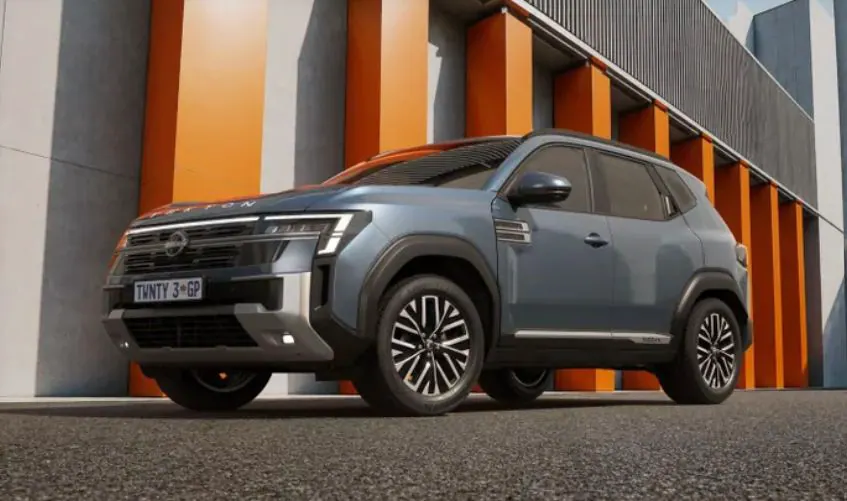
Nissan's pivot to a fully import-based model in South Africa is a strategic bet with real risks. The brand is retaining its dealer network and has announced new launches, including the Tekton and Patrol for fiscal 2026. However, importing finished vehicles into a market where a competitor is now manufacturing locally, while its own sales volumes are in decline, is not a comfortable position.
The acquisition of the Rosslyn plant by Chery marks a significant shift in South Africa's automotive industry, with implications for the market and consumers. As Chery decides what comes next for the plant, it will be interesting to see how the company leverages its new manufacturing capacity to drive growth and competitiveness in the market. The views expressed by Dr Iqbal Survé and Sesona Mdlokovana do not necessarily reflect the views of Independent Media or IOL.
Key points
- Chery's acquisition of Nissan's Rosslyn plant provides the company with a structural advantage in the South African market through local production and eligibility for incentives under the Automotive Production and Development Programme.