Nissan's decision to sell its Rosslyn plant in South Africa to China's Chery Automobile has significant implications for the country's automotive industry. The sale is part of Nissan's global restructuring plan, "Re:Nissan", which aims to cut costs and increase efficiency. The Japanese automaker posted a net loss of approximately ¥533 billion for fiscal year 2025 and announced the closure of seven plants worldwide, including the Rosslyn plant in South Africa. The plant's production volumes had collapsed, and its capacity utilisation was no longer viable.
Chery, China's third-largest automaker by volume, has acquired the Rosslyn plant as part of its expansion strategy in South Africa. The company has a strong presence in the country, with its group brands, including Omoda, Jaecoo, and Jetour, collectively selling close to 5,000 units a month. Chinese brands have been gaining traction in the South African market, with a 16.8% market share in 2025, up from 11.2% the previous year. The acquisition of the Rosslyn plant provides Chery with a ready-made manufacturing facility, an existing workforce, and established supplier relationships.
The sale of the Rosslyn plant is not a rescue mission for Nissan, but rather a strategic move by Chery to expand its presence in South Africa. The majority of Nissan's Rosslyn employees will be retained on substantially similar terms, and Chery plans to produce SUVs at the plant, its strongest-selling category locally. The acquisition is a logical expansion for Chery, which can now compete with a cost structure that legacy Japanese and European brands cannot easily match. Chery's local production also makes it eligible for incentives under South Africa's Automotive Production and Development Programme.
The structural advantage gained by Chery through the acquisition of the Rosslyn plant is significant. Local production opens eligibility for APDP incentives, which rewards manufacturers for local content and volume thresholds. This gives Chery a competitive edge over other brands, including GWM's Haval, which has used aggressive pricing and long warranty periods to build sustained volume in South Africa without a local manufacturing base. Chery's ability to compete on price and cost structure will be a challenge for legacy brands.
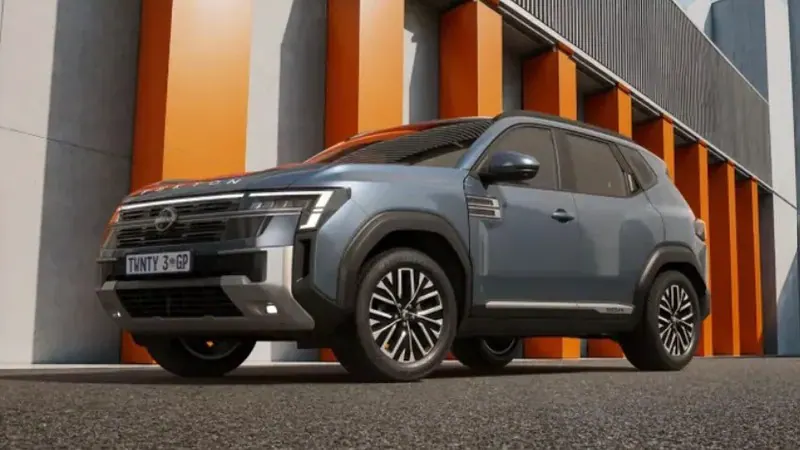
The impact of the sale on Nissan's operations in South Africa is still unclear. The brand is retaining its dealer network and has announced new launches, including the Tekton and Patrol for fiscal 2026. However, importing finished vehicles into a market where a competitor is now manufacturing locally, while its own sales volumes are in decline, is a strategic bet with real risks. The history of automotive brands that exit local production in emerging markets and attempt to sustain relevance purely as importers is not encouraging.
The sale of the Rosslyn plant signals a structural reset in South Africa's automotive landscape. The rise of Chinese brands is not a short-term surge, but a redefinition of how consumers in this market make purchasing decisions, away from badge loyalty and toward value. Chery's acquisition of the Rosslyn plant is a significant move in this direction, and Nissan's pivot to a fully import-based model in South Africa is a strategic bet that may not pay off.
The future of South Africa's automotive industry is uncertain, but one thing is clear: the landscape is changing. The acquisition of the Rosslyn plant by Chery is a significant development in this shift, and it will be interesting to see how the industry evolves in the coming years. As Dr. Iqbal Survé, past chairman of the BRICS Business Council, and Sesona Mdlokovana, associate at BRICS+ Consulting Group, note, the views expressed do not necessarily reflect the views of Independent Media or IOL.
Key points
- Chinese brands, including Chery, now hold 16.8% of the South African passenger car market.
- The acquisition of the Rosslyn plant provides Chery with a structural advantage, including eligibility for APDP incentives.
- Nissan's pivot to a fully import-based model in South Africa is a strategic bet with real risks.