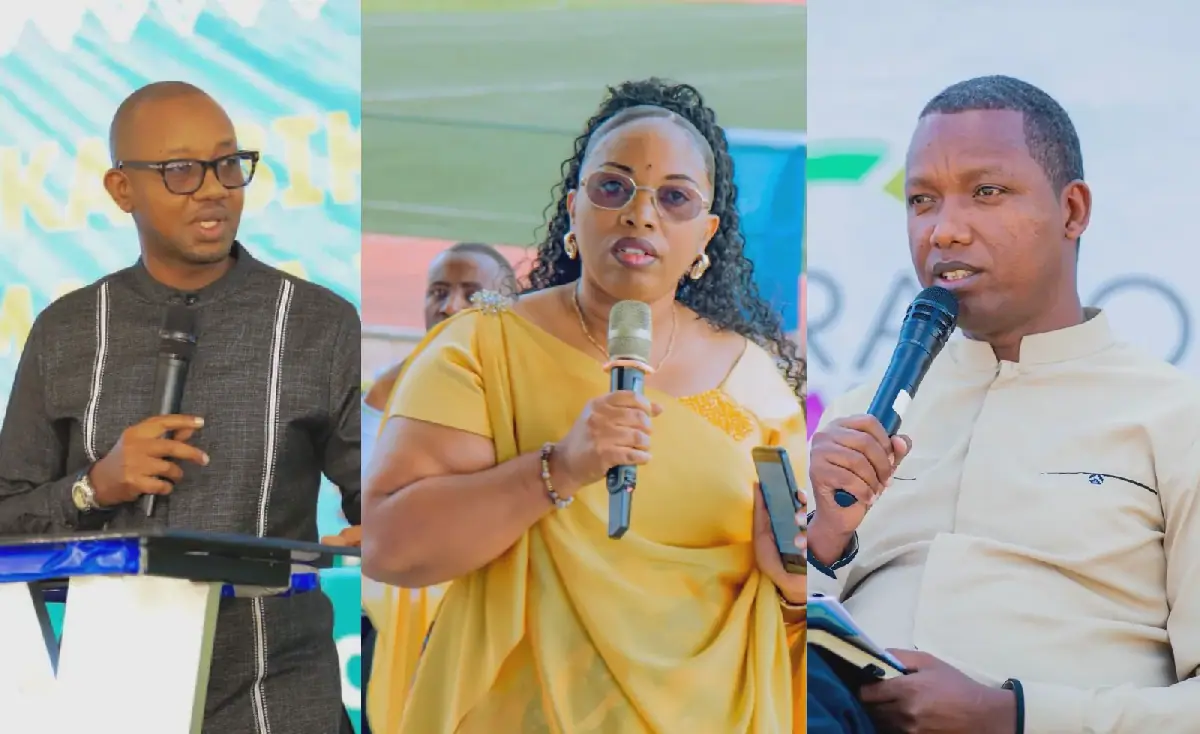
Nine out of 12 district leaders in Rwanda have been elected to the 27 district councils. The election aims to fill positions in the councils, which will then elect mayors and deputy mayors. The elected leaders include Vestine Mukandayisenga of Gakenke, Gerald Muzungu of Karongi, and Fred Hategekimana of Kayonza. They will serve in the councils alongside representatives from various sectors. The councils have 17 members each, with eight elected from the general category and others representing women, youth, people with disabilities, and the private sector.
The election was held to comply with the 30% quota for women in district councils. On November 17, five women were elected in each district to represent different categories. The district councils, except for the Kigali City Council, comprise 17 members. The councils will oversee the implementation of development plans and monitor the performance of district administrative committees. The elected leaders will also participate in making decisions on local development and resource allocation.
The nine elected district leaders are Vestine Mukandayisenga, Gerald Muzungu, Fred Hategekimana, Bruno Rangira of Kirehe, Nathalie Niyonagira of Ngoma, Narcisse Mupenzi of Nyamasheke, Prosper Mulindwa of Rubavu, Phanuel Sindayiheba of Rusizi, and Henry Kakooza of Nyagatare. Their election to the councils gives them a chance to contest for mayoral positions in their respective districts. The mayors and deputy mayors will be elected on November 24, 2026.
The district council elections were attended by representatives from various government agencies and local organizations. The councils will play a crucial role in monitoring the implementation of development plans and making decisions on local resource allocation. The elected leaders will work with representatives from different sectors to ensure that the needs of local communities are addressed.
The district councils have several responsibilities, including monitoring the performance of district administrative committees and making decisions on local development. The councils will also participate in approving district budgets and development plans. The election of district leaders to the councils is a significant step towards the formation of new district administrations.
The mayors and deputy mayors elected on November 24, 2026, will serve for a five-year term. The district councils will provide oversight and guidance to the mayors and their deputies. The councils will also work with local communities to address their needs and concerns.
According to RADIOTV10 Sangira, the election of district leaders to the councils marks an important milestone in Rwanda's decentralization process. The councils will play a crucial role in promoting local governance and development. The elected leaders will work together with local communities to achieve development goals and improve living standards.
Key points
- The nine elected district leaders will contest for mayoral positions in their respective districts on November 24, 2026.