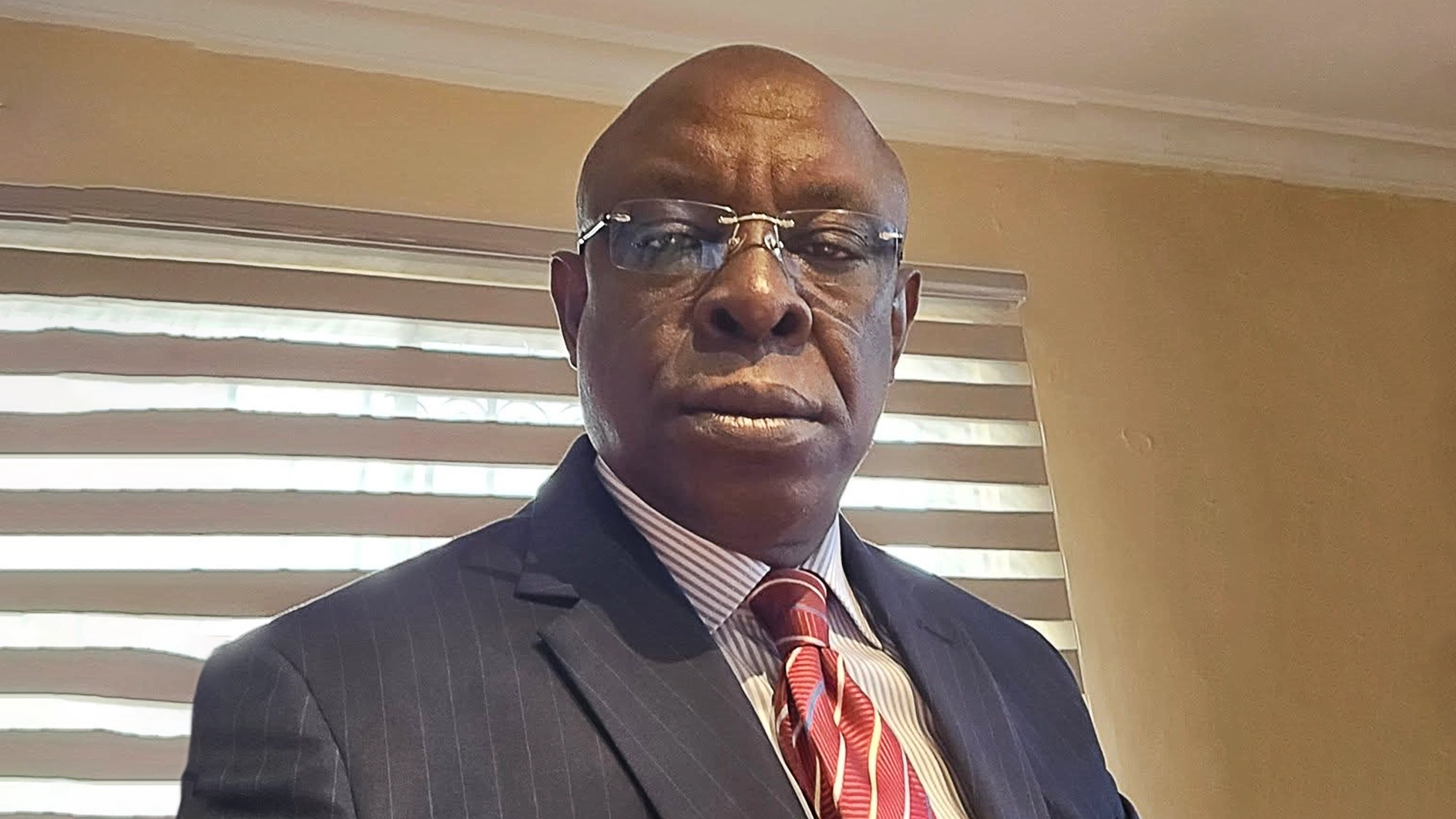
The Labour Party candidate for Abakaliki/Izzi Federal Constituency in the 2027 general election, Dr. Ezeh Emmanuel Ezeh, has stated that the rising living costs and declining household purchasing power have deepened hardship across Nigeria. Ezeh attributed the widespread economic and social distress to policy failures and inadequate accountability under the APC administration of President Bola Tinubu. He described the situation as a progression from broken pockets to broken dreams, broken homes, and a broken society.
Ezeh analyzed Tinubu's economic policies, stating that they have failed to address the country's economic challenges. He argued that the removal of petrol subsidy and other economic reforms introduced by the Tinubu administration have imposed substantial short-term pressures on households and businesses. The reforms have been particularly severe for low-income households, small businesses, and young Nigerians struggling to secure employment. President Tinubu announced the end of the petrol subsidy at his inauguration on May 29, 2023.
Ezeh cited examples of the impact of economic hardship on Nigerians, including a businessman, Felix Onyia, who had to consider relocating to his village due to economic pressures. He also recalled a conversation with a tomato seller at Ketu Market, Lagos, who complained that rising wholesale prices were forcing traders to increase retail prices, thereby putting them at odds with increasingly cash-strapped consumers. Ezeh expressed concern over the impact of the economic environment on businesses and employment.
The Labour Party candidate further stated that the consequences of economic hardship are no longer confined to household finances but are increasingly affecting businesses, employment, family stability, and Nigerians' confidence in the future. He cited the closure or downsizing of some retail outlets and enterprises, which has particularly troubled young Nigerians whose aspirations are being undermined by limited employment opportunities and rising costs of living.
Ezeh alleged that many Nigerian households are now being forced to make difficult choices between food, healthcare, education, transportation, and other basic necessities. He warned that the cumulative effect of prolonged economic pressure could deepen social dislocation, increase migration, and weaken public confidence in the country's institutions. The APC-led administration has maintained that its reforms were undertaken against the background of severe fiscal and structural challenges inherited in 2023.
President Tinubu, in his third-anniversary address in May 2026, acknowledged that the reforms had imposed significant sacrifices on families, workers, and businesses but argued that they were necessary to stabilize the economy and establish the foundation for long-term recovery. Recent data published by the National Bureau of Statistics show that Nigeria's economy recorded real GDP growth of 3.89 percent year-on-year in the first quarter of 2026.
Ezeh challenged political leaders in the South-East, including those supporting President Tinubu's re-election bid, to make the interests of citizens central to the political debate ahead of 2027. He urged Nigerians to examine the records and policy proposals of political parties and candidates before making their electoral choices, emphasizing that the 2027 election should provide Nigerians with an opportunity to assess competing visions for the country's future.
Key points
- LP Rep candidate Ezeh says economic policies of APC-led government have failed to address rising living costs and hardship.