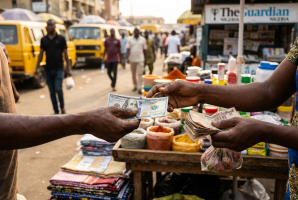
Millions of Nigerians are struggling to make ends meet due to rising prices and declining purchasing power. As a result, consumers are redefining what it means to be satisfied with a product or service. No longer is simply receiving what they paid for enough; Nigerians are increasingly demanding value, fairness, quality, and accountability from businesses. This shift in consumer expectations has significant implications for businesses operating in Nigeria.
According to Akonte Ekine, CEO of Absolute PR & Brand Xchange, the difficult economic environment has fundamentally changed the meaning of consumer satisfaction. Genuine value is now a more important measure of a brand's relationship with its customers. Ekine notes that consumers may claim to be satisfied with a product or service simply because it is available or delivered, but still feel overcharged, ignored, or underserved.
Ekine emphasizes that genuine consumer value exists where price, quality, service, trust, and experience meet. Consumers are asking critical questions before deciding whether a brand has delivered value, such as: Was the product worth the money? Did the service provider keep its promise? Was the customer treated fairly? Would the consumer buy again or recommend the brand to others?
Businesses are urged to move beyond conventional customer-satisfaction surveys and begin measuring issues such as trust, transparency, responsiveness, digital experience, complaint resolution, and long-term relationships with consumers. This shift in approach will help businesses better understand and meet the evolving needs of Nigerian consumers.
The call for a stronger consumer-education campaign is also gaining momentum, particularly among Nigerians who operate and shop in informal markets. Ekine stresses that consumer rights should not be treated as an elite issue, as every Nigerian is a consumer, regardless of income, social status, or location. Whether buying goods in a village market or subscribing to data services, Nigerians have rights that must be respected.
Inadequate awareness is identified as a major obstacle to effective consumer protection. Many Nigerians do not recognize themselves as consumers with rights and responsibilities. Ekine's comments come at a time when households are increasingly forced to make difficult choices about what to buy, where to buy it, and how much they can afford to spend.
As the Nigerian economy continues to face challenges, businesses are expected to adapt to the changing needs and expectations of consumers. By prioritizing value, fairness, and quality, businesses can build trust and long-term relationships with their customers. Ultimately, every naira counts, and consumers are demanding that businesses demonstrate a commitment to delivering value.
Key points
- Consumers in Nigeria are redefining satisfaction to include value, fairness, and quality.
- Businesses are urged to measure trust, transparency, and responsiveness.
- Consumer education is crucial for effective consumer protection.