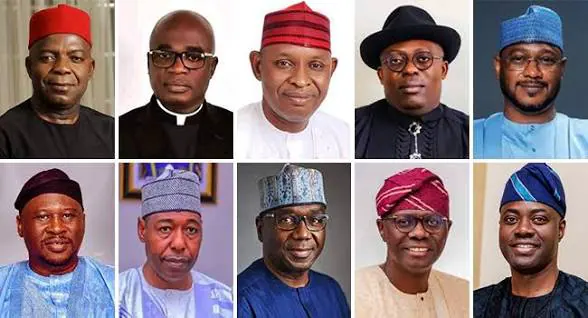
The Nigerian public is calling on state governors to provide transparency on how they utilized the increased funds allocated to them following the removal of petrol subsidies by President Bola Ahmed Tinubu in May 2023. The subsidy removal led to a significant increase in state revenues, with the Federation Account Allocation Committee (FAAC) distributions reaching a record N3.007 trillion in July 2026. Citizens are questioning the whereabouts of these funds, as there have been little to no visible investments in infrastructure and social amenities.
According to the Minister of Finance and Coordinating Minister of the Economy, Taiwo Oyedele, the total incremental resources from subsidy savings from June 2023 to December 2025 stood at N15.8 trillion. Out of this amount, N5.4 trillion went to the federal government, while N10.4 trillion or 66 percent was shared among states and local governments. Despite this substantial increase in revenue, many Nigerians have not felt the positive impact, with rising costs of living, transportation, food, and housing.
Political economist Dr. Jude Agbor has called for an independent commission to investigate the spending of subsidy funds by state and local governments. He stated that most governors and local government chairmen have treated the windfall like free cash, using it for luxury vehicles, lavish lifestyles, and political favors, rather than investing in essential public services. Agbor emphasized that President Tinubu has done his part by freeing the funds, but citizens lack the power and tools to hold their governors and local government chairmen accountable.
Dr. Abdulmumin Abdulmalik, an economist and lecturer at Federal University Lokoja, shares Agbor's concerns, stating that most governors have not done enough with the windfall to benefit their states. He noted that the funds from subsidy removal have been a blessing to governors, but they have not improved the lives of ordinary Nigerians. Abdulmalik emphasized that the funds should have been redistributed to ease the impact of subsidy removal on Nigerians.
Dr. Stanley Nwani, a university lecturer, expressed concern about the gap between larger government budgets and citizens' welfare, arguing that increased public resources have not translated into commensurate improvements in living conditions. He blamed weak project-monitoring and poor price regulation across the three tiers of government for the ugly trend. Nwani called for greater scrutiny of state and local governments' finances, noting that the media and citizens have historically paid more attention to the federal government.
Public affairs analyst Mr. Jide Olamilekan stated that there are no investments in infrastructure and social amenities to justify the huge allocations to states. He noted that Nigerians are forced to bear the brunt of inflated costs for everyday goods, and there is no visible government intervention in healthcare, education, or road construction. Olamilekan emphasized that rural areas lack access to qualified medical doctors, and public schools are starved of basic teaching aids, laboratories, and qualified teachers.
The Nigerian public continues to demand accountability from governors on the use of subsidy windfall. Key points raised include the need for transparency in the utilization of funds, the lack of investments in infrastructure and social amenities, and the need for an independent commission to investigate the spending of subsidy funds.
Key points
- Governors have received unprecedented federation account allocations following President Bola Ahmed Tinubu's petrol subsidy removal.
- Nigerians have not felt the positive impact of increased state revenues, with rising costs of living, transportation, food, and housing.
- Citizens are calling for an independent commission to investigate the spending of subsidy funds by state and local governments.