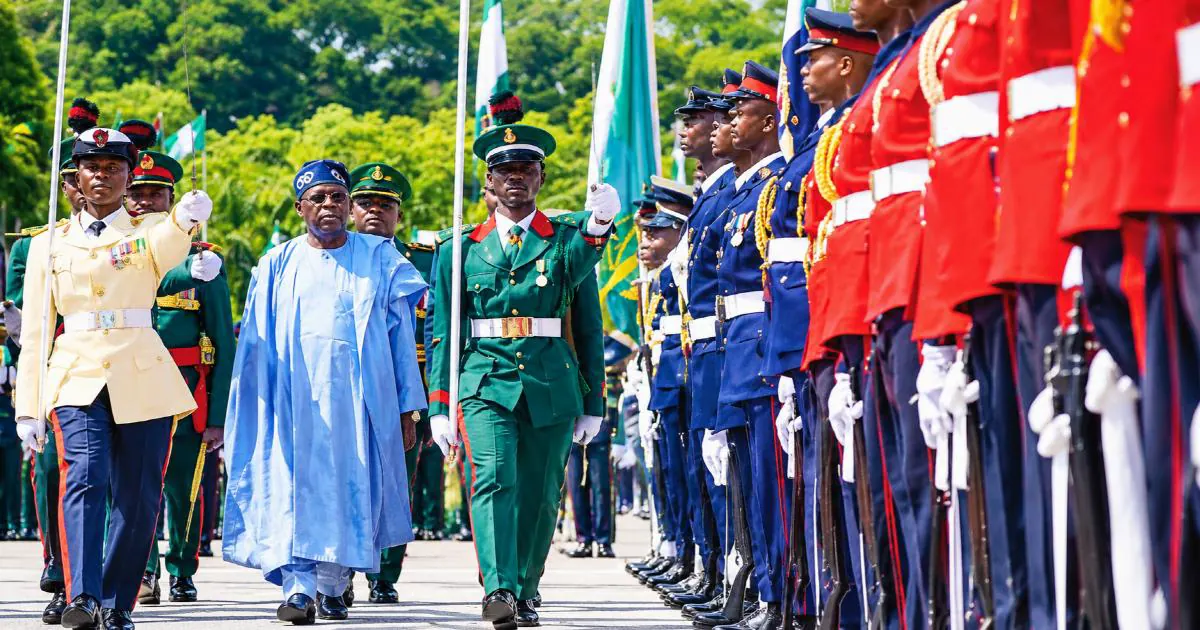
Nigeria marks its 66th Independence Day anniversary today, October 1, with a mix of celebration and sober reflection on the country's journey since gaining freedom from British colonial rule in 1960. Despite high expectations at the time, the country has faced numerous challenges, including a civil war, military coups, economic crises, and prolonged military rule. The Federal Government has highlighted 27 years of uninterrupted constitutional democracy as a major achievement, but many Nigerians are questioning whether the country has delivered the basic conditions of freedom.
Prominent elder statesmen, legal scholars, and public analysts have shared their thoughts on the country's progress, with many expressing disappointment and concern. Professor Itse Sagay, a Senior Advocate of Nigeria, stated that the country is lagging far behind its potential, citing deep-rooted socio-economic challenges that have become unavoidable realities for citizens. He lamented that ordinary people are unfairly left to bear the burden of systemic failures, including insecurity, food scarcity, joblessness, and poor healthcare.
Sagay urged Nigerians to maintain optimism, highlighting the innate strength and endurance of the population, and emphasized that giving up is not an option. He also issued a sharp charge to those in power, demanding a leadership style rooted strictly in public service and calling for sacrifices to be made for the people. According to Sagay, Nigerians need unique leadership that prioritizes their welfare over personal comfort.
Ifeoma Ogbonna, a Port Harcourt-based accountant and current affairs analyst, stated that the nation's socio-economic decline leaves citizens with no reason to celebrate. She observed that the poor are getting poorer while the rich get richer, and pointed to staggering inflation as a stark indicator of the country's economic distress. Ogbonna warned that desperation is driving citizens toward unprecedented levels of moral compromise, leading to a dangerous influx of counterfeit and lethal goods into local markets.
The Northern States Christian Elders Forum (NOSCEF) has also weighed in on the country's state, urging Nigeria's political leadership to move beyond the "politics of survival" and take serious action on insecurity, unemployment, healthcare, education, and economic hardship. The group argued that the anniversary should be more than ceremonies and speeches, and asked Nigerians to examine how far the country has travelled towards the aspirations of the founding generation.
NOSCEF's criticism was particularly pointed on security, arguing that a country cannot fully celebrate independence while citizens remain afraid to travel, farmers cannot safely reach their fields, and families live under the threat of kidnapping and banditry. The group's comments reflect the widespread concerns about the country's security situation and the need for urgent action to address the challenges facing citizens.
As Nigeria marks its 66th Independence Day anniversary, citizens and leaders are calling for a new path toward true development, prioritizing the welfare of the electorate over personal comfort and self-interest. The country's journey towards prosperity and global influence remains unfinished, and the need for collective persistence and unique leadership has never been more pressing.
Key points
- The country's 66th Independence Day anniversary has been marked by reflection and calls for change, with citizens and leaders expressing concerns about the nation's progress and the need for urgent action to address socio-economic challenges.
- Prominent elder statesmen and public analysts have criticized the country's leadership, calling for a departure from self-interest and a focus on public service.
- The Northern States Christian Elders Forum has urged Nigeria's political leadership to move beyond the "politics of survival" and take serious action on insecurity, unemployment, healthcare, education, and economic hardship.