Nigerians have found ways to gather around moving pictures for over a century. The early history of cinema in Nigeria dates back to August 1903, when one of the earliest recorded public film screenings took place at Glover Memorial Hall in Lagos. As cinema spread, watching films was not always about finding a cinema hall. Instead, traveling film shows took moving pictures to communities where permanent cinemas were unavailable or difficult to reach.
The colonial government recognized the usefulness of film, establishing the British Colonial Film Unit in 1939. The unit produced films that were shown to African audiences through mobile cinema. In Nigeria, these films dealt with health, hygiene, and agriculture, while others carried official colonial messages. By 1954, mobile cinema vans had reached at least 3.5 million people in Nigeria, providing an event-like experience for communities without regular access to a cinema.
Dr. Raphael James, Director-General of the Centre for Research, Information, and Media Development, recalls watching a mobile cinema as a child in the early 1980s. The experience was about more than entertainment; it was a communal ritual filled with magic and anticipation. The film was an Eddy Ugboma production connected to Edifosa, based on the life of the notorious robber Ishola Oyenusi. For James, the experience was about togetherness, seeing neighbors laugh, gasp, or debate the story afterwards.
As television became a fixture in many Nigerian homes, the video cassette recorder offered another way to watch films. A living room could become a cinema, with families renting films from neighborhood shops. Mary Adebayo, a school teacher, remembers film nights on Fridays, with her family eating snacks and sitting together to watch. The shift to home viewing came as many traditional cinemas faced economic difficulties and changing viewing habits.
The rise of Nollywood began with Living in Bondage in 1992, directed by Chris Obi Rapu. The film demonstrated the potential of producing Nigerian stories directly for the growing video market. The model suited the way audiences were already watching, with filmmakers producing, duplicating, and distributing films through video shops, distributors, and informal networks. Markets like Alaba became important distribution centers.
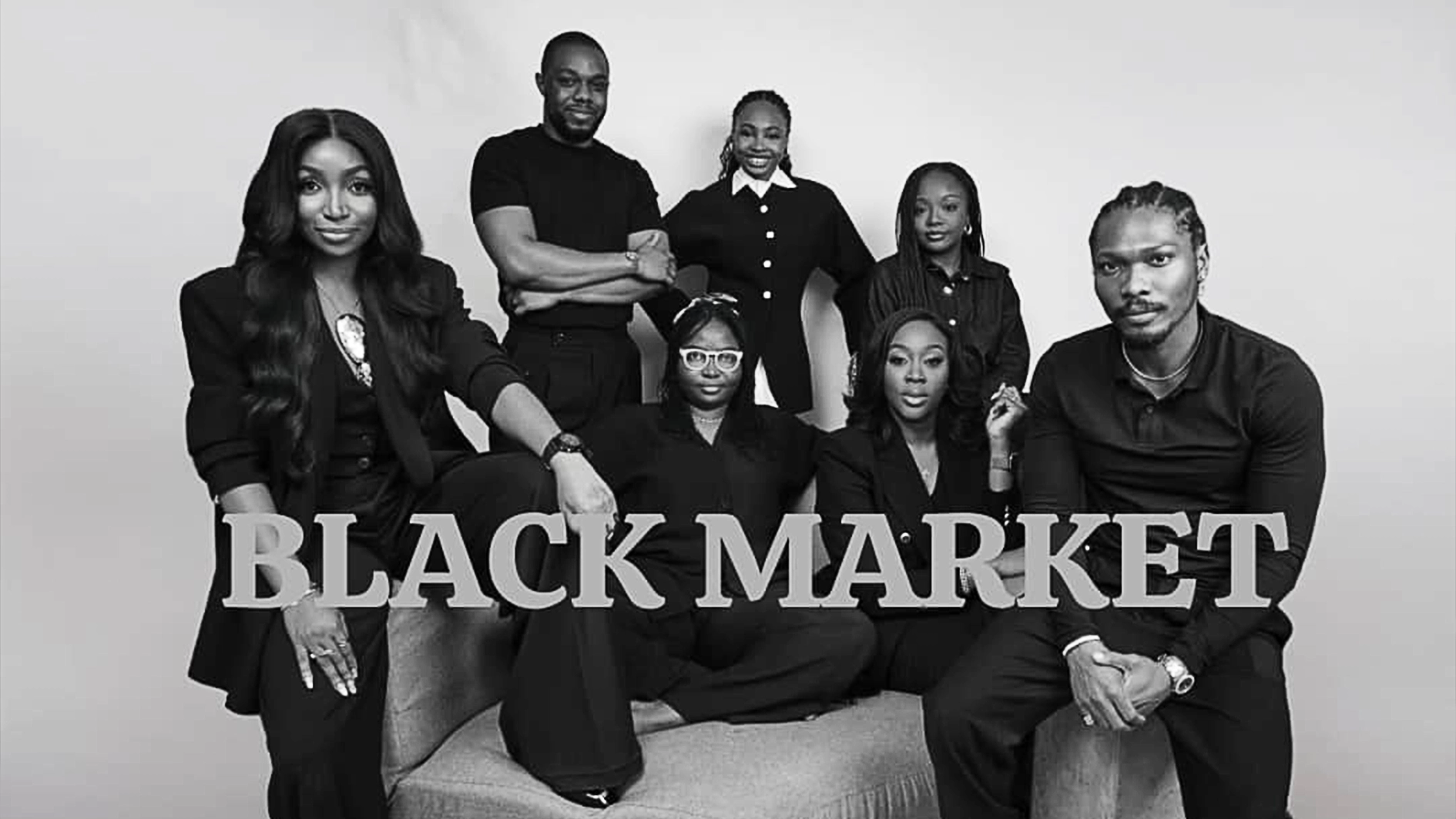
On September 26, 2026, over 51,000 people gathered at Tafawa Balewa Square in Lagos to watch Black Market, securing the Guinness World Records title for the largest attendance at a film screening. The event surpassed the previous record of 43,624, set in the Philippines in 2015. Philip Onos, a retired headmaster, remembers the cinema vans that came to his village, with everyone wanting to sit close to the screen.
The technology has changed, but the social experience remains important. Blessing Ade, a doctor, recalls watching Superstory at home with her family, sometimes acting out what they had watched for their parents. Despite power cuts, the experience remained enjoyable. The desire to watch films together has not wavered, with Nigerians continuing to find ways to gather around moving pictures.
Key points
- Over 51,000 people gathered at Tafawa Balewa Square in Lagos to watch Black Market, securing the Guinness World Records title for the largest attendance at a film screening.