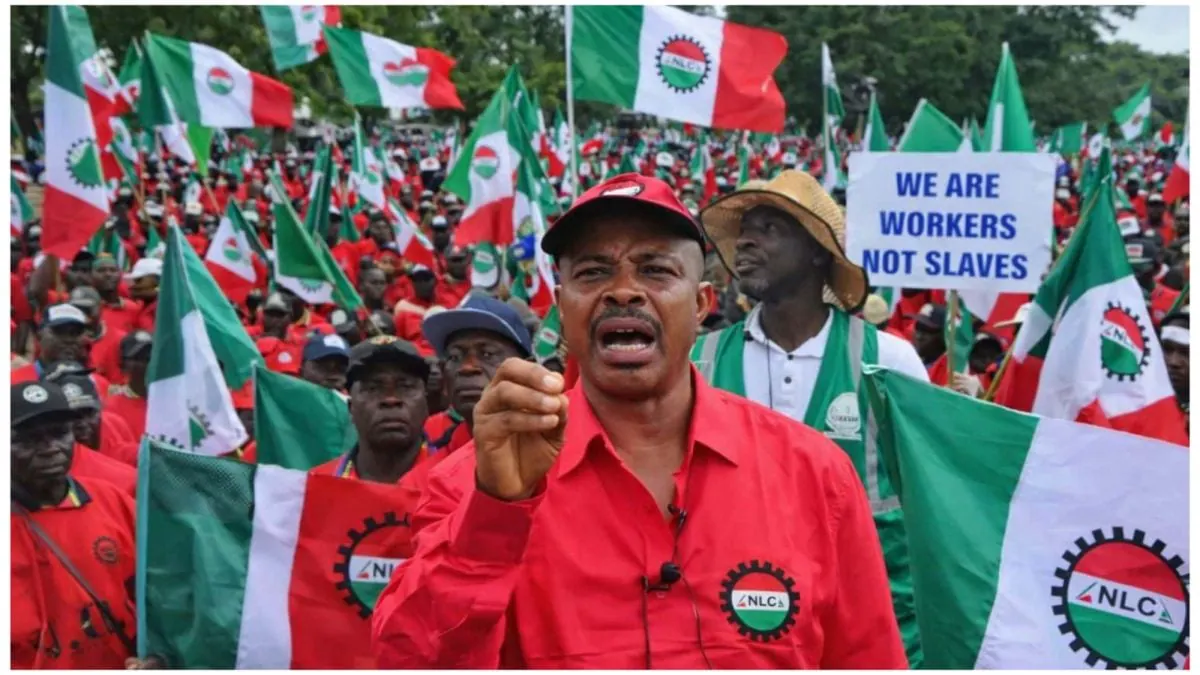
Public servants in Nigeria, under the Joint National Public Service Negotiating Council (JNPSNC), have issued a stern warning to the Federal Government, stating that their September 30 deadline for addressing their demands remains unchanged. The workers are pressing for a reduction in the pump price of petrol to N500 per litre, an immediate wage award, and the early commencement of negotiations for a new national minimum wage expected to take effect in 2027. Failure to meet these demands will result in a three-day warning strike starting from October 2.
The JNPSNC, led by its National Secretary, Gbenga Olowoyo, emphasized that the current petrol price, ranging from N1,450 to N2,000 per litre, is placing public servants and other Nigerians under severe financial pressure. The council argues that the high cost of petrol affects not only transportation but also the movement of food, production, housing, healthcare, education, and other essential services. The workers are seeking an intervention fund to address landing costs and support oil and gas operators to bring down the price of petrol.
In addition to the petrol price reduction, the JNPSNC is demanding a wage award for public servants to cushion the effects of the prevailing harsh economic conditions. The council believes that this measure will provide temporary relief to workers whose earnings have been affected by the rising cost of living. The workers also want the Federal Government to establish a tripartite committee to begin negotiations for a new national minimum wage, with a proposed minimum monthly salary of N500,000 for an officer on Grade Level 01, Step 1.
The JNPSNC's demands cover workers across the public service and involve eight unions, including the Nigerian Civil Service Union, Medical and Health Workers Union, and Association of Senior Civil Servants of Nigeria. The proposed industrial action is expected to affect a broad section of the public service if the dispute is not resolved. The council has placed particular emphasis on President Bola Ahmed Tinubu's Independence Day address, saying the speech should address the concerns raised by Nigerian workers.
The council's demands are linked to productivity and the continued functioning of the public service. The workers argue that urgent action on these demands will enable public servants to consolidate their loyalty, commitment, and productivity within the public service ecosystem. Failure to address the concerns raised will attract the displeasure of Nigerian workers and further deepen dissatisfaction among workers and other Nigerians facing the effects of rising living costs.
The JNPSNC had earlier proposed a harmonization of wages across government institutions and periodic reviews of salaries and allowances in line with economic realities. The council's statement added that the Federal Government should urgently approve a wage award for Nigerian workers and ensure the sale of crude oil to the Dangote Refinery and operators of modular refineries at appropriate terms to facilitate increased domestic refining and help bring down the price of petroleum products.
The proposed strike and demands have significant implications for the Nigerian public service and the broader economy. The JNPSNC's emphasis on President Tinubu's Independence Day address highlights the importance of addressing these critical issues. The Federal Government's response to these demands will be crucial in determining the course of action for Nigerian workers and the impact on the country's economy.
Key points
- - The JNPSNC is demanding a reduction in the pump price of petrol to N500 per litre. - The council is also seeking an immediate wage award for public servants and the early commencement of negotiations for a new national minimum wage. - Failure to meet these demands will result in a three-day warning strike starting from October 2.