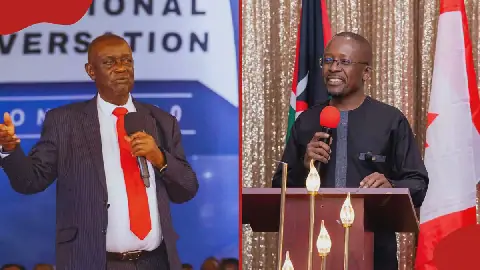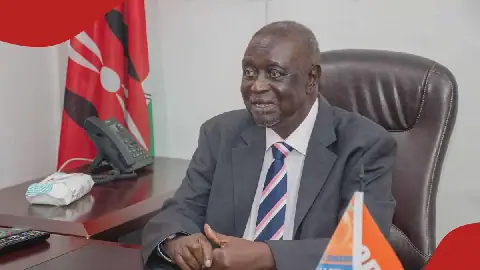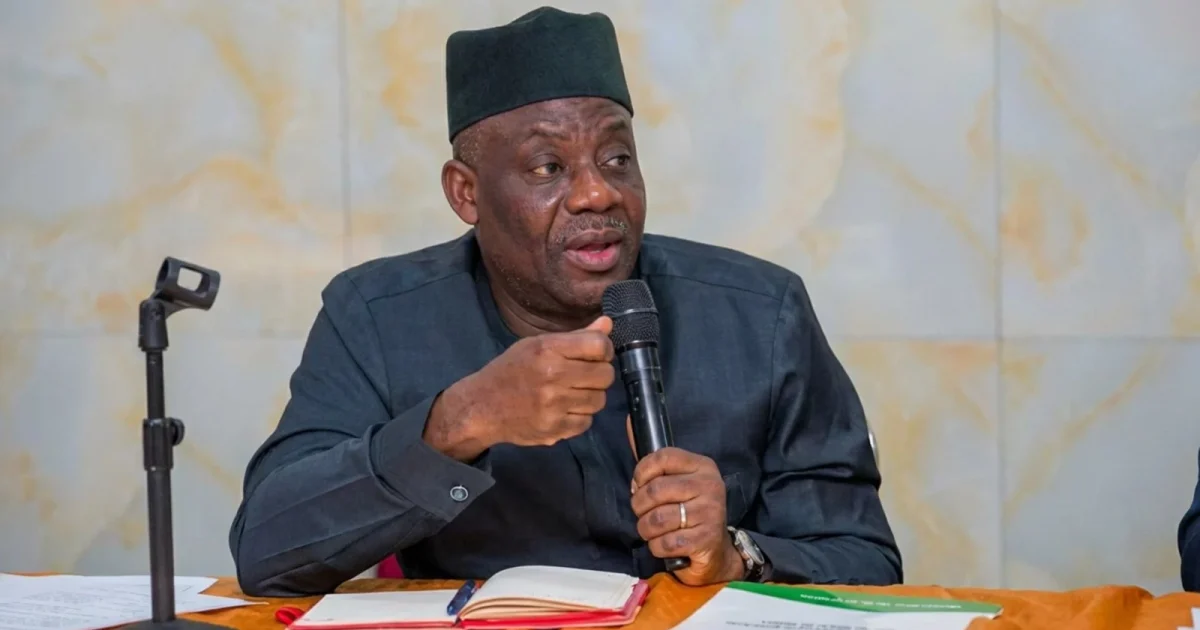
Nigerian teachers have called for improved welfare, better working conditions, career progression, employment opportunities, safer schools, and increased investment in teaching and learning. The demands were made as Nigeria joined the rest of the world to commemorate the 2026 World Teachers' Day. Teachers' unions in several states used the occasion to draw attention to challenges affecting educators and the education system. The Federal Government has pledged to strengthen the teaching profession through professional development, improved working conditions, and fair recognition.
The Minister of Education, Tunji Alausa, has pledged continued government support for teachers and urged them to embrace emerging technologies while preserving professional standards. Alausa spoke at the 2026 World Teachers' Day commemoration and President's Teachers' and Schools' Excellence Awards ceremony in Abuja. The theme of the ceremony was "Protecting and Advancing the Status of the Teaching Profession in a Rapidly Changing World." Alausa emphasized that teachers deserve professional respect, opportunities to develop throughout their careers, and fair recognition.
In Oyo State, the Nigeria Union of Teachers (NUT) has demanded the full implementation of the Safe School Programme, integration of 135 teachers into the Teaching Service Commission employment structure, and approval of inter-local government transfers for some teachers. The union also called for the prompt release of grants to school heads and payment of outstanding 2025 leave allowances. The Oyo NUT Chairman, Hassan Fatai, made the demands at the state's World Teachers' Day celebration.
The Chairman of the State Universal Basic Education Board, Nureni Adeniran, has emphasized that education cannot be transformed without teachers. Adeniran stressed that their status, competence, and welfare remained central to the future of the sector. He said standing with teachers should go beyond ceremonial appreciation to include professional development, decent working conditions, and teaching and learning resources.
In Delta State, the NUT has demanded action on teacher shortages, insecurity, inadequate teaching materials, and other conditions affecting educators. The NUT State Chairman, Dickson Poubeni, said improved salaries and career progression would have greater impact if the government also addressed the conditions under which teachers worked. Poubeni listed seven areas requiring urgent attention, including teacher shortages, inadequate security, and a shortage of instructional materials.
Governor Sheriff Oborevwori of Delta State has approved Grade Level 17 career progression for eligible university graduate teachers in public primary schools. The governor, represented by the Commissioner for Technical Education, Smart Ufoh, said his administration was working to improve teachers' welfare, training, and working conditions. Oborevwori also said the state had approved a 13th-month salary for public servants, including teachers.
The Federal Government and state governments have pledged to continue supporting teachers and improving the education sector. The government has promised to collaborate with stakeholders to strengthen teacher preparation, professional development, and recognition. Key initiatives include improving learning environments, strengthening institutions, and developing skills for a changing economy.
Key points
- The Nigerian government has pledged to improve the welfare and working conditions of teachers.
- Teachers' unions have demanded action on issues such as teacher shortages, insecurity, and inadequate teaching materials.
- Governors across the states have highlighted measures to support teachers, including teacher recruitment, salary improvements, and infrastructure development.