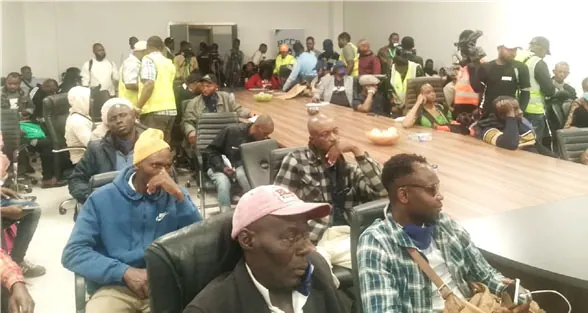
The RCCG has begun evacuating Nigerians from South Africa under a humanitarian intervention, with the first batch of 100 returnees arriving in Lagos on Thursday. Christian Okafur, an Anambra State indigene, was among those received, and he expressed relief after what he described as a difficult experience in South Africa. Okafur said he was grateful for the assistance from the RCCG, which had approved funding for the air transportation of 500 Nigerians from Johannesburg to Lagos.
Another returnee, Chidi Francis, an Anambra State indigene who spent about eight years in South Africa, shared his story of loss and hardship. Francis said he had travelled to South Africa with the expectation of improving his financial situation, but his dream ended with the loss of his business and repeated attacks. He alleged that xenophobic groups attacked his grocery and foodstuff business, forced him out of his shop, and physically attacked him on several occasions.
Francis's experience was not unique, as many returnees shared similar stories of hardship and fear. Ogenechukwu Vivian, a single mother from Delta State, described her experience in South Africa as "very bad", saying she and others had faced xenophobic attacks. Vivian returned with her daughter and expressed gratitude to the Nigerian authorities, South African officials, and the RCCG for facilitating their return.
The evacuation exercise was facilitated by the RCCG, with funding approved by its General Overseer, Pastor Enoch Adeboye. The church had responded to an appeal from the Nigerian diplomatic mission in South Africa to assist Nigerians who had been affected by xenophobic attacks. The returnees were received in Lagos, where they were provided with assistance and support.
The returnees' stories highlight the challenges faced by Nigerians living in South Africa, where xenophobic attacks have become a recurring issue. Many Nigerians had travelled to South Africa with the hope of improving their financial situation, but their experiences ended in hardship and fear. The evacuation exercise has provided relief to those who had been affected, but it also raises questions about the safety and security of Nigerians living abroad.
The Nigerian government has been working to support its citizens living abroad, including those affected by xenophobic attacks in South Africa. The RCCG's humanitarian intervention is a testament to the efforts of organizations and individuals working to support those in need. The returnees' stories serve as a reminder of the importance of protecting the rights and dignity of all individuals, regardless of their nationality or background.
As the returnees settle back into their lives in Nigeria, they will be provided with support and assistance to help them rebuild and recover. The experience of living abroad had been a difficult one for many, but their return home has brought relief and a sense of safety. The evacuation exercise has also highlighted the importance of international cooperation and collaboration in addressing the challenges faced by citizens living abroad.
Key points
- The RCCG has evacuated over 100 Nigerians from South Africa under a humanitarian intervention.
- Returnees shared stories of hardship and fear, including xenophobic attacks and loss of businesses.
- The evacuation exercise was facilitated by the RCCG with funding approved by its General Overseer, Pastor Enoch Adeboye.