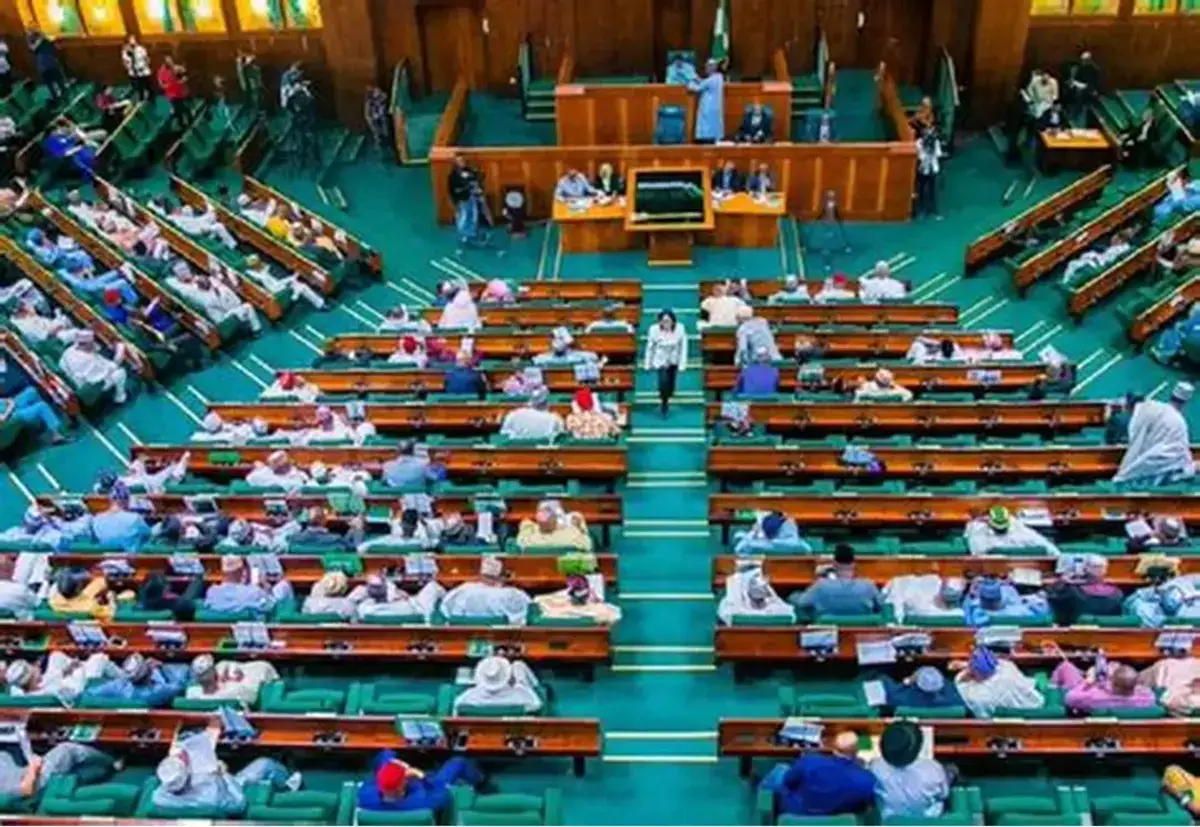
The Nigerian House of Representatives has called on the Federal Government to concession the rehabilitation, maintenance, and management of federal roads to private investors. This move aims to ensure sustainable road infrastructure development, generate revenue, and strengthen national security. The resolution was made after adopting a motion sponsored by Hon. Esosa Iyawe and three other lawmakers. They expressed concern over the deteriorating condition of federal highways and the limitations of relying on annual budgetary allocations.
Hon. Iyawe stressed that an efficient road transportation network is fundamental to national economic development, trade facilitation, agricultural productivity, industrial growth, national security, and the general welfare of citizens. He highlighted the deplorable condition of several federal roads, resulting in avoidable accidents, loss of lives, vehicle damage, higher transportation costs, and delays in the movement of goods and passengers. The Edo lawmaker particularly noted the condition of major federal highways in Edo State, which occupies a strategic position as a transportation corridor.
The poor condition of the roads has adversely affected commercial activities, increased the cost of transporting agricultural produce and other essential commodities, discouraged investment, and imposed significant economic hardship on residents, commuters, and businesses operating in Edo State. Hon. Iyawe observed that the Federal Government's reliance on annual budgetary allocations has not consistently delivered the level of infrastructure renewal required across the extensive federal road network. This has made it necessary to explore alternative financing and management arrangements.
The lawmakers recognized that road concessioning through transparent Public-Private Partnership (PPP) arrangements could attract private capital, technical expertise, and efficient project management for the rehabilitation, operation, and long-term maintenance of eligible federal highways. This approach could reduce the immediate financial burden on the government. The lawmakers also supported the reintroduction of properly regulated toll gates on selected rehabilitated highways, noting that toll revenue could provide a sustainable mechanism for recovering private investments.
The reintroduction of toll gates could also support lawful security operations, intelligence gathering, emergency response, and the monitoring of vehicular movements. However, the lawmakers emphasized that any tolling arrangement must be transparent, affordable, and technologically efficient, with enforceable service standards to guarantee measurable improvements in road quality, safety, and travel efficiency in return for payments by motorists. The House urged the Federal Ministry of Works to develop and implement a comprehensive national framework for concessioning eligible federal roads.
The Federal Ministry of Works, in collaboration with the Infrastructure Concession Regulatory Commission, the Federal Roads Maintenance Agency, and other relevant agencies, will assess the federal road network and identify highways suitable for concessioning, rehabilitation, operation, and long-term maintenance. The House also directed the Ministry to reintroduce toll gates on selected highways after substantial rehabilitation, with charges determined through transparent economic assessments, public consultation, and affordability considerations.
The lawmakers mandated the joint Committees on Public Assets, Works, and Finance to engage relevant government agencies on the proposed framework, monitor its implementation, and report back to the House within four weeks for further legislative action. The goal is to ensure that the concessioning process is transparent, efficient, and beneficial to the country. The House's decision aims to address the country's infrastructure challenges and provide a sustainable solution for road rehabilitation and maintenance.
Key points
- The Nigerian House of Representatives urges the Federal Government to concession federal roads to private investors and reintroduce toll gates.
- The move aims to ensure sustainable road infrastructure development, generate revenue, and strengthen national security.
- The lawmakers emphasized the need for transparent, affordable, and technologically efficient tolling arrangements.