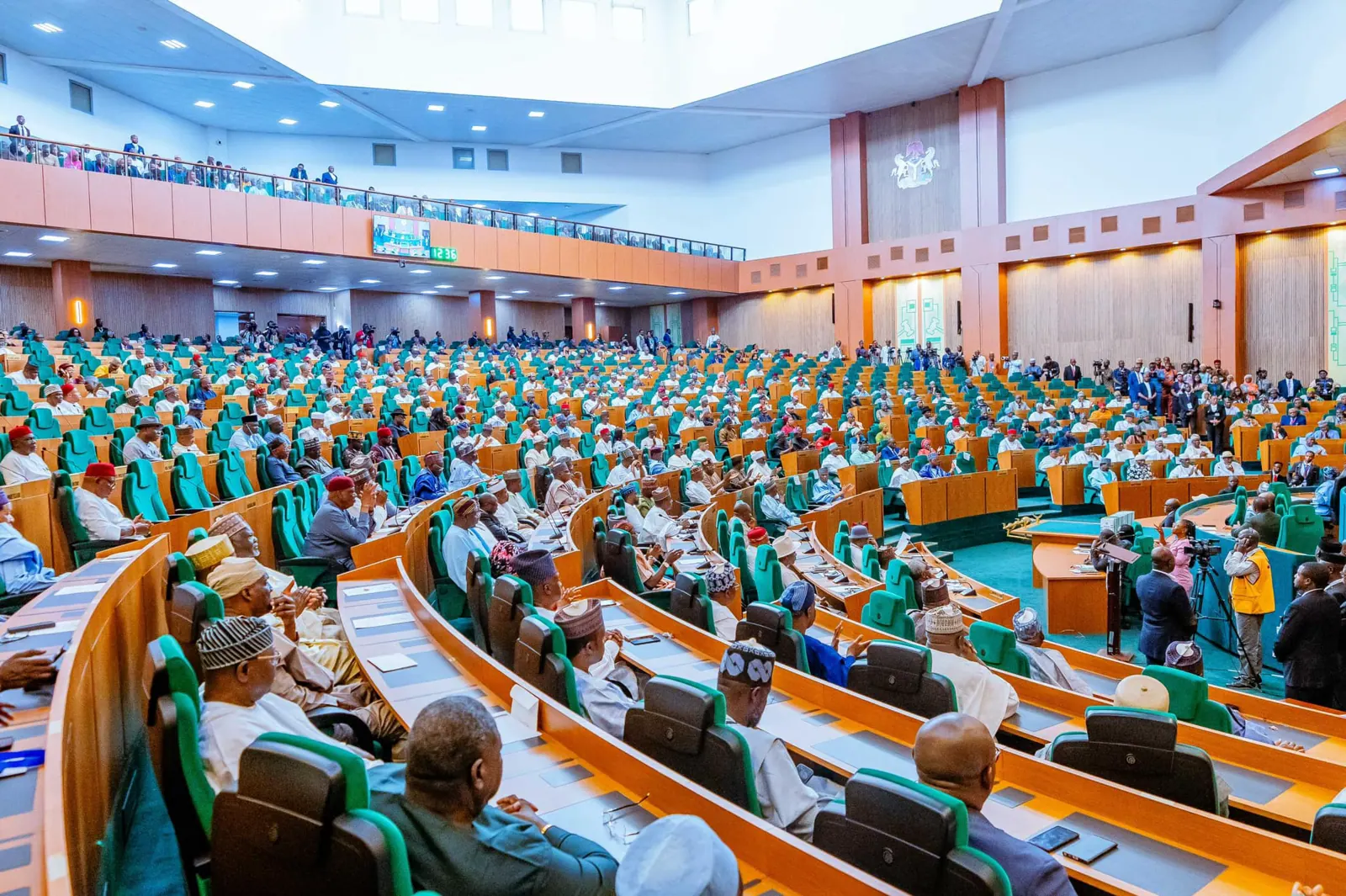
The Nigerian House of Representatives has approved an extension for the implementation of the capital component of the 2025 Appropriation Act. The new deadline is December 31, 2026, rather than the initial September 30, 2026. This decision was made during a plenary session on Tuesday, after lawmakers considered a bill sponsored by House Leader Julius Ihonvbere. The bill, which aims to amend the Appropriation (Repeal and Enactment) Act 2025, was passed after three readings.
According to Mr. Ihonvbere, the capital component of the 2025 budget had not been fully implemented due to "economic difficulties." This led to the need for an extension to allow for the completion of ongoing projects. The House dissolved into the Committee of Supply to consider the bill clause by clause. The committee subsequently reported back to the plenary, and the bill was read for the third time and passed. The Deputy Speaker, Benjamin Kalu, announced the passage after lawmakers gave overwhelming support through a voice vote.
This marks the fourth extension granted by the National Assembly for the capital component of the 2025 budget. Initially, the National Assembly extended the deadline in December 2025 to give ministries, departments, and agencies additional time to complete ongoing projects. Two subsequent extensions were approved in March and June 2026, moving the deadline to September 30, 2026. The latest extension gives the federal government another three months to continue funding and implementing capital projects captured in the 2025 budget.
The repeated extensions highlight challenges in implementing capital expenditure within the original budget cycle. The 2025 budget was expected to be implemented within a specific timeframe, but economic difficulties have led to delays. The extensions aim to provide more time for the government to complete ongoing projects and fund new ones. The capital component of the budget is crucial for the development of infrastructure and other critical sectors in Nigeria.
The House of Representatives adjourned plenary until October 13 after concluding consideration of the bill. The lower chamber had embarked on recess on July 23 and resumed plenary on Tuesday. Although the House did not state a reason for the adjournment, it may be linked to the celebration of Nigeria's Independence Day on October 1. Nigeria will mark its 66th Independence anniversary on October 1, 2026.
The extension of the capital budget implementation timeline is expected to have a positive impact on the economy. It will allow for the completion of ongoing projects and the initiation of new ones, which will help stimulate economic growth. The government has been working to improve the implementation of the budget, and the extension is seen as a step in the right direction. The House of Representatives has demonstrated its commitment to ensuring that the budget is implemented effectively.
The passage of the bill demonstrates the commitment of lawmakers to ensuring that the 2025 budget is implemented effectively. The extension of the capital budget implementation timeline will provide more time for the government to complete ongoing projects and fund new ones. This will help to drive economic growth and development in Nigeria. The government will now have until December 31, 2026, to implement the capital component of the 2025 budget.
Key points
- The Nigerian House of Representatives has extended the implementation deadline of the 2025 capital budget to December 31, 2026.
- This marks the fourth extension granted for the capital component of the 2025 budget.
- The extension aims to provide more time for the government to complete ongoing projects and fund new ones, driving economic growth and development in Nigeria.