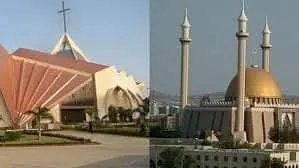
As preparations for the 2027 general elections gain momentum, Nigerian religious leaders have been urged to refrain from using their platforms for political campaigns. The co-chairmen of the Nigeria Inter-Religious Council (NIREC), Sultan of Sokoto Muhammadu Sa’ad Abubakar III and President of the Christian Association of Nigeria (CAN) Archbishop Daniel Okoh, have emphasized the need for religious leaders to promote peace and avoid inflammatory comments about candidates and political office holders.
The warning was issued at the 2026 Second Council Meeting of NIREC in Abuja, with the theme “Shared Sacred Flourishing in Nigeria.” The meeting was attended by prominent figures, including the Secretary to the Government of the Federation (SGF) Senator George Akume, who represented President Bola Ahmed Tinubu, and the Chairman of the Economic and Financial Crimes Commission (EFCC) Ola Olukoyede. The leaders stressed the importance of issue-based campaigns and shunning violence, hate speech, and misinformation.
Sultan Abubakar III specifically cautioned against turning religious gatherings into platforms for political campaigning, urging religious leaders to promote peace and encourage responsible participation in the electoral process. He called on religious leaders to speak honestly with one another and avoid spreading false information after interfaith meetings, emphasizing that dialogue is crucial to Nigeria’s stability and development.
Archbishop Daniel Okoh also emphasized the need for religious institutions to use their influence to promote peace, reconciliation, and national unity. He noted that Nigeria’s challenges, including insecurity, poverty, and unemployment, require collective action beyond religious or sectional interests. Okoh urged religious leaders to ask themselves what kind of Nigeria they are helping to create through their words, actions, and influence.
The Executive Secretary of NIREC, Prof. Cornelius Afebu Omonokhua, called on Nigerians, particularly religious leaders, to reject corruption, hate speech, and the weaponization of religion for personal or political interests. He emphasized that NIREC was established to promote dialogue, religious tolerance, and peaceful coexistence between Christians and Muslims in Nigeria.
The caution by these eminent Nigerians is seen as timely and auspicious, particularly in light of the undesirable situation in the 2023 general elections, where political campaigns often shifted from the podium to the pulpit and mosque. The leaders’ warning is aimed at preventing a repeat of such incidents and promoting a peaceful and issue-based electoral process.
The Nigeria Inter-Religious Council’s efforts to promote peace and stability are crucial in the country’s quest for a united and secure nation. The council’s advocacy for responsible behavior by religious leaders and politicians is a step in the right direction, and its impact is expected to be felt in the run-up to the 2027 general elections.
Key points
- Religious leaders in Nigeria have been urged to avoid using their platforms for political campaigns ahead of the 2027 general elections.
- The Nigeria Inter-Religious Council has emphasized the need for issue-based campaigns and shunning violence, hate speech, and misinformation.
- The warning by the council’s leaders is aimed at promoting peace and preventing a repeat of the undesirable situation in the 2023 general elections.