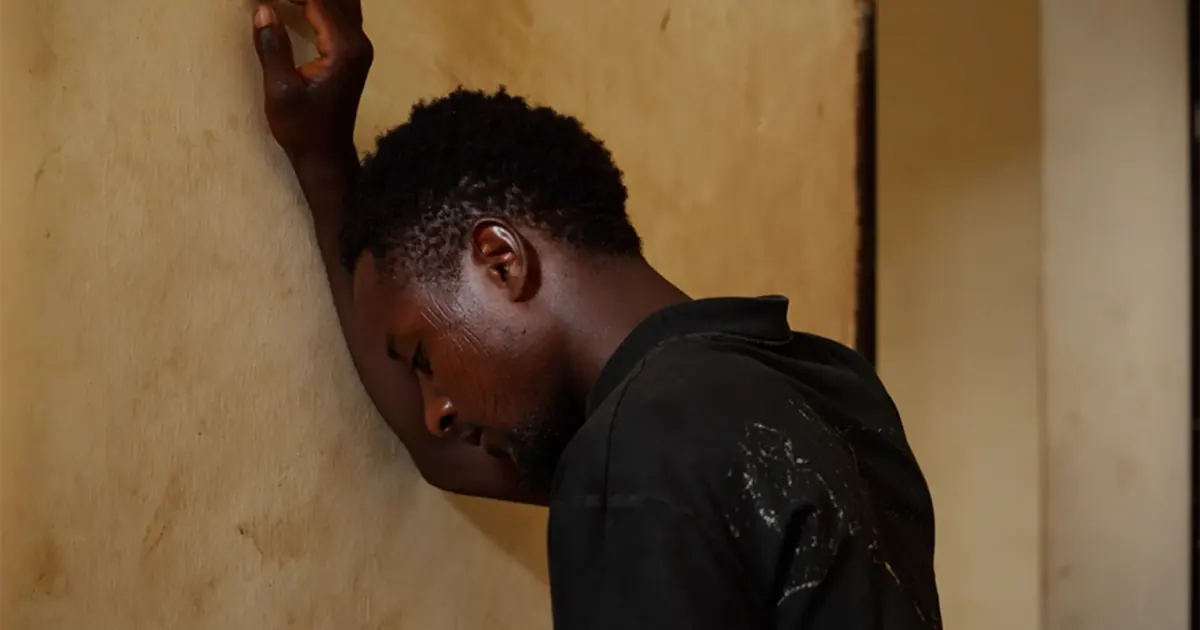
Usman Muhammad, a young artisanal miner, was one of the survivors of the tragic event that occurred in a prison cell in Minna, Nigeria. He described the unbearable heat and humidity inside the cell, measuring 6m by 3m, where over 50 miners were detained. The temperature outside was above 25C, and the only ventilation came from a small, high-up window. Muhammad recounted that the conditions were so dire that some detainees began drinking their own urine and collecting sweat from their bodies to try to stay alive.
The miners, including Muhammad, were detained by the Nigeria Security and Civil Defence Corps (NSCDC) for allegedly engaging in illegal artisanal mining activities. The federal government has been cracking down on this activity, citing its impact on the country's revenue and environment. According to Muhammad, the cell was overcrowded, with standing room only, and the humidity levels were over 90%, which can be dangerous to human health. The situation became unbearable, and some detainees began to faint and die.
Muhammad's account was corroborated by another survivor, Adamu Isah, who told the Reuters news agency that the detainees were shouting and telling the guards that people were dying, but no one came to help. Isah alleged that a security officer came to the door but told them it wasn't his problem if people died. The situation continued until Thursday, when the cell door was opened, and the guards saw the dead bodies.
The mass deaths caused widespread outrage and protests, including attacks on public buildings, as relatives and locals demanded answers. The federal government initially blamed the deaths on a diphtheria outbreak, but an investigation has been launched to determine the exact cause of the tragedy. A 10-member committee has been set up to investigate the incident and recommend legal action against anyone found culpable.
The NSCDC has suspended its Niger state commandant, Suberu Aniviye, and taken 24 of its personnel into custody in connection with the deaths. Niger state Governor Umaru Bago has promised to get to the bottom of the incident and ensure that those responsible are brought to justice. The governor welcomed the investigation ordered by the federal government and emphasized that no officer, regardless of rank, would be protected.
Interior Minister Olubunmi Tunji-Ojo has assured that the investigation will be thorough and impartial, and any attempt to obstruct it will be taken seriously. The minister emphasized that the government will not tolerate any form of neglect or maltreatment of detainees. As the investigation continues, Muhammad hopes that by speaking out, he can help find justice and bring some closure to the traumatic event.
The incident has sparked a renewed debate about the treatment of detainees in Nigerian prisons and the need for reforms. The government has been urged to take steps to prevent similar incidents in the future. As the nation waits for the outcome of the investigation, one thing is clear: the tragic event in Minna will have far-reaching consequences for those responsible and for the country's prison system.
Key points
- 33 miners died in a prison cell in Minna, Nigeria, due to alleged neglect and maltreatment.
- A 10-member committee has been set up to investigate the incident and recommend legal action against those responsible.
- The NSCDC has taken 24 of its personnel into custody in connection with the deaths, including its suspended Niger state commandant.