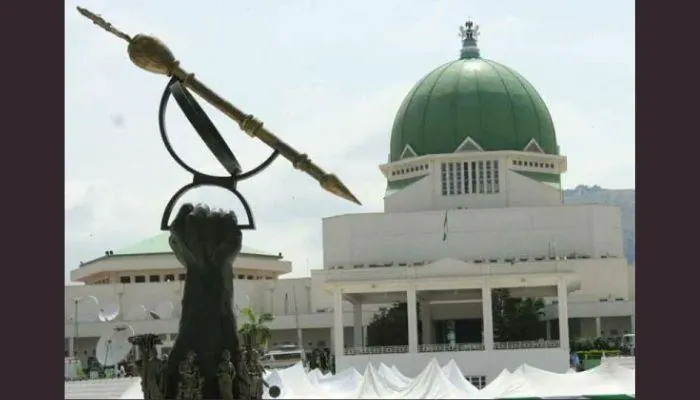
The Nigerian National Assembly is set to resume its activities on September 29 after a prolonged recess, but concerns are mounting that the looming 2027 general elections may distract lawmakers from their legislative duties. With hundreds of pending bills and an unfinished review of the 1999 Constitution, the Assembly faces a crowded agenda. The constitutional review exercise, initially expected to be a defining achievement of the 10th Assembly, has lost significant momentum. Despite considering over 30 alteration proposals, only the State Police bill has passed both chambers and been transmitted to the 36 state Houses of Assembly.
The remaining proposals, including those on local government autonomy, special legislative seats for women, independent candidacy, and judicial reforms, are still stalled at the committee stage. Clement Nwankwo, executive director of the Policy and Legal Advocacy Centre (PLAC), has warned that political priorities are already overshadowing legislative duties. He noted that the Assembly missed its self-imposed December 2025 deadline to conclude the reforms and urged lawmakers to pause political activities long enough to finish their legislative work before active campaigning intensifies.
The National Assembly's challenge is compounded by the timing of the 2027 general election, scheduled for January. By the final quarter of 2026, many lawmakers will already be deeply involved in political consultations, party activities, constituency mobilisation, and preparations for the polls. The political pressure will be felt differently by different categories of lawmakers, with those who have secured return tickets having to campaign to retain their seats, while those seeking other elective offices will be pursuing new political ambitions.
According to official data, as of April 2026, 1,033 bills had been introduced in the Senate, but only 106 were passed. 453 bills were at second reading, 424 before committees, and 38 at the post-committee stage. With hundreds of bills still moving through the legislative pipeline, the Assembly will have to decide which proposals can realistically be completed before the end of its tenure. The committee system, where a significant proportion of bills remain awaiting reports or further legislative action, also poses a challenge.
A recent study of the National Assembly's committee system found that while committees are central to lawmaking, oversight, and detailed scrutiny, their practical contribution to legislative performance remains uneven. Senate President Godswill Akpabio has insisted that the election will not prevent lawmakers from performing their constitutional responsibilities. He argued that lawmakers could combine their legislative and political responsibilities by holding legislative activities during the day and campaign engagements later.
However, the experience of the current Assembly suggests that maintaining legislative momentum could prove more difficult than simply dividing the day between parliament and politics. As of July, the 10th Assembly had recorded 173 sitting days in 2023, 141 in 2024, and only 26 sitting days between January and May 2026. There were also concerns over prolonged adjournments, attendance, and the growing legislative backlog.
The constitutional requirement for amendments adds another layer of urgency, as constitutional alterations require approval by two-thirds of each chamber of the National Assembly before they can proceed to the state Houses of Assembly. They must then secure approval from at least 24 of the 36 state legislatures. The State Police proposal has now entered that second phase, but the remaining proposals still have to navigate the federal legislative process before they can even reach the states.
Key points
- The Nigerian National Assembly faces a crowded agenda with hundreds of pending bills and an unfinished review of the 1999 Constitution.
- The looming 2027 general elections may distract lawmakers from their legislative duties, stalling crucial bills and reforms.
- The Assembly's challenge is compounded by the timing of the 2027 general election, with many lawmakers already involved in political consultations and preparations for the polls.