The Minister of Defence, Christopher Musa, has stirred a hornet's nest with his recent remarks on the security situation in Kaduna state during the tenure of former Governor Nasir El-Rufai. In a television interview, Musa criticized El-Rufai's administration, particularly with regards to the measures taken to address the security challenges in the state. Musa's comments have generated significant interest and debate among Nigerians, with many questioning the timing and intent behind his statements.
Musa's criticism of El-Rufai centered on the handling of security issues in Kaduna state, particularly in the southern part of the state. He alleged that the former governor's administration created a conducive environment for bandits and terrorists to operate, leading to the loss of lives and property. Musa's comments have been seen as a direct challenge to El-Rufai's legacy and have sparked a heated debate about the security situation in Kaduna state.
El-Rufai's lawyers have responded to Musa's comments, demanding that he retract his statements and apologize within seven days. The former governor has also threatened to take legal action against Musa, seeking N10 billion in damages for defamation. This development has raised concerns about the potential for a prolonged and costly legal battle between the two prominent Nigerians.
The controversy surrounding Musa's comments has highlighted the complex and often contentious nature of Nigerian politics. Many observers have noted that the exchange between Musa and El-Rufai reflects a deeper struggle for influence and control within the country's political elite. The incident has also raised questions about the role of the military and other security agencies in addressing the country's security challenges.
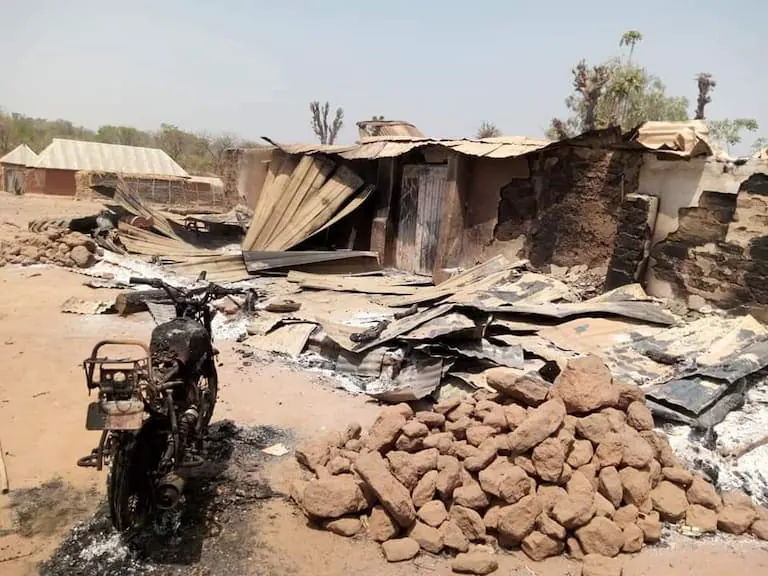
To understand the context of the controversy, it is essential to examine the security situation in Kaduna state during El-Rufai's administration. Between 2015 and 2023, the state faced significant security challenges, particularly in the southern part of the state. Communities such as Kasuwan Magani, Kajuru, Zangon Kataf, and Kauru experienced frequent attacks and kidnappings, resulting in loss of life and displacement of residents.
El-Rufai's administration was criticized for its handling of the security situation, with many accusing the government of not doing enough to protect the lives and property of citizens. The former governor was also accused of using excessive force against critics and opponents, including the arrest and detention of prominent figures. These allegations have contributed to the ongoing debate about the security situation in Kaduna state and the role of the government in addressing these challenges.
The controversy surrounding Musa's comments has significant implications for Nigerian politics and security. It highlights the need for a more nuanced and informed discussion about the country's security challenges and the role of the government and other stakeholders in addressing these issues. Ultimately, the incident underscores the importance of promoting a culture of accountability and transparency in governance, particularly in the area of security.
Key points
- The controversy between Musa and El-Rufai reflects a deeper struggle for influence and control within Nigeria's political elite.
- The security situation in Kaduna state during El-Rufai's administration was marked by significant challenges, particularly in the southern part of the state.
- The incident highlights the need for a more nuanced and informed discussion about Nigeria's security challenges and the role of the government and other stakeholders in addressing these issues.