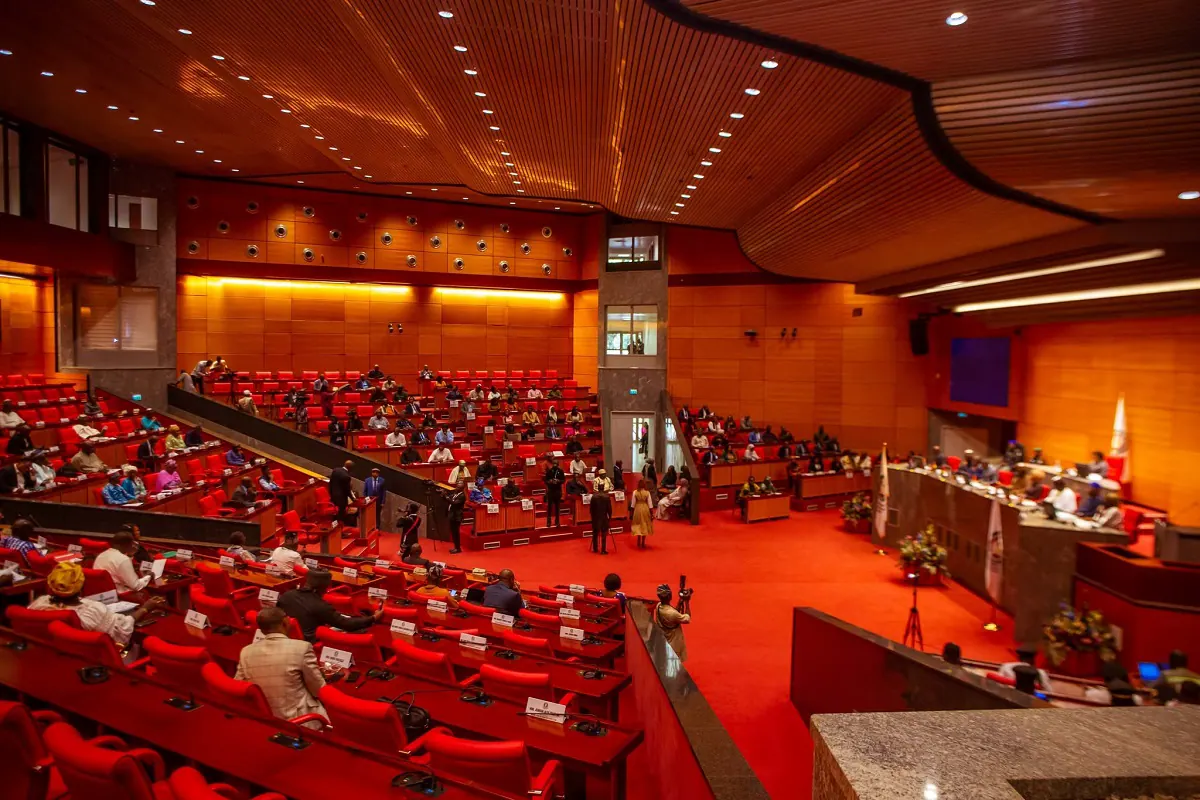
Nigerian lawmakers, Senators Ali Ndume and Awaji N. Abiante, have called for stronger legislative powers for the ECOWAS Parliament, citing its largely advisory status as a limitation in influencing implementation and holding regional institutions accountable. The demand was made in Accra, Ghana, on the sidelines of the 2026 Second Extraordinary Session and Seminar of the ECOWAS Parliament. The seminar focused on the impact of climate change on migration, food security, pastoralism, land use, and regional security.
The lawmakers argued that the ECOWAS legal framework should be amended to give the Parliament and regional judiciary greater authority. Ndume linked environmental degradation and the movement of pastoral communities from climate-stressed areas to growing farmer-herder tensions, particularly in Nigeria. He also emphasized the need for clearer legal frameworks governing livestock movement, land use, and resource management to address the root causes of conflicts.
The ECOWAS Parliament's limitations were highlighted, with Ndume questioning the practical impact of an institution whose recommendations may depend on decisions by other ECOWAS organs before they can be implemented. He asked if the Parliament has powers outside of advisory and how many of its pieces of advice have been considered. The senator described climate change as a governance test, arguing that the regional response would depend on having institutions with the authority to act on agreed solutions.
The seminar examined the relationship between climate change and the region's growing social, economic, and security pressures. Discussions focused on how environmental degradation and changing climatic conditions contribute to population displacement, alter patterns of pastoral movement, and intensify competition over land and other natural resources. The lawmakers also considered the implications of increased population movement across national borders for host communities and governments.
Ndume recalled previous attempts to establish ranching programs, arguing that insufficient political will to implement necessary measures had contributed to the persistence of the problem. He maintained that the absence of effective laws and enforcement mechanisms would continue to create conditions for conflict. The senator called for stronger laws and enforcement to address the challenges posed by climate change and environmental degradation.
The ECOWAS Parliament forms part of the regional bloc's institutional structure for promoting integration and providing a parliamentary dimension to the Community's activities. Its legal framework gives it responsibilities in areas including regional integration, peace and security, and other matters affecting the Community. However, its powers have remained substantially different from those exercised by national legislatures.
The lawmakers' call for stronger powers for the ECOWAS Parliament is aimed at enabling the institution to transform policy discussions into coordinated action and hold regional institutions accountable. Strengthening the Parliament would give regional lawmakers greater responsibility while also creating a clearer basis for holding them accountable for the issues they debate and the positions they take.
Key points
- Nigerian lawmakers call for stronger ECOWAS Parliament powers to address climate change and regional challenges
- ECOWAS Parliament's advisory status limits its ability to influence implementation and hold regional institutions accountable
- Lawmakers seek amendments to ECOWAS legal framework to strengthen Parliament's powers and regional judiciary authority